Tourist Attractions
Explore the most beautiful tourist attractions in the Kingdom of Saudi Arabia
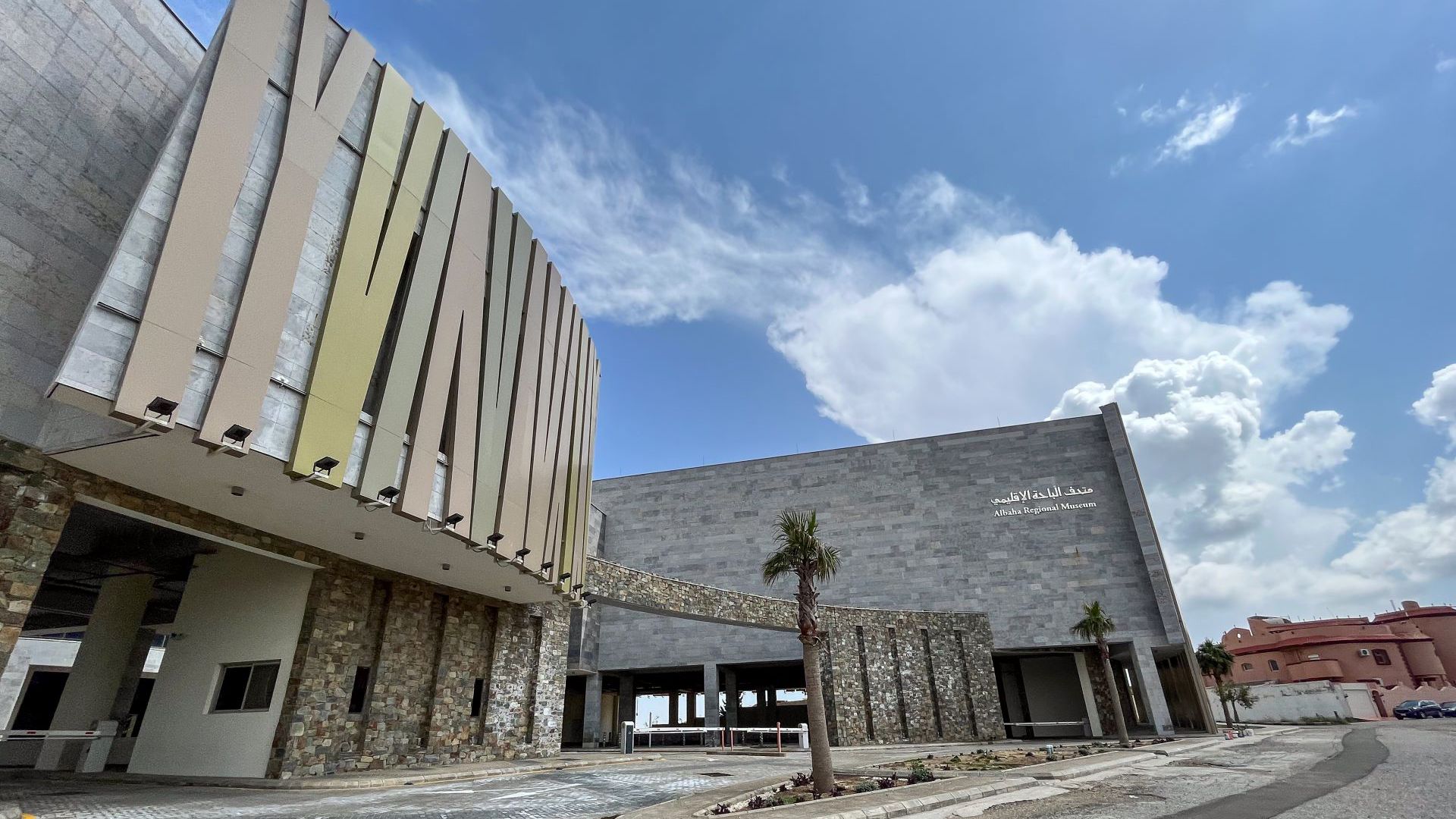
Regional Museum of Antiquities and Heritage
The earlier inhabitants left behind evidence and traces that tell something about their lives and narrate a summary of their stories. You can explore these stories as you wander through the Regional Museum of Antiquities and Heritage in Al-Baha. The museum has collected historical pieces that silently recount the region's stories and ancient shapes and inscriptions that captivate visitors' imaginations. Al-Baha Regional Museum of Antiquities and Heritage was built in a modern architectural style, with four floors and eight halls, on an area of 9,000 square meters next to Raghadan Tourist Village. It allows guests to follow chapters of Al-Baha's and the region's history. You will start from the entrance hall to stroll through the pre-Islamic section, then move to the prehistoric section, and then to the Al-Baha section, where you will be filled with archaeological pieces dating back to the Islamic era. After that, the Al-Baha Heritage section astonishes you with its artifacts that tell historical stories from Al-Baha, and your unique experience will conclude with Al-Baha Wing in the Saudi era. The museum features Islamic inscriptions on frames or stones, along with Byzantine, Ottoman, and Abbasid coins. You will also find fossils and ancient tools dating back to the Stone Age and more than 3,500 years before Christ, in addition to many artifacts from the Mousterian era. The museum also contains a corner displaying embroidered clothes with their old materials and designs, a collection of jewelry made by previous inhabitants of the region, exhibits of kitchen utensils and household supplies, as well as scales for grains and cereals, and tools for preparing tea and coffee. The museum includes several facilities, such as a photography studio, a drawing section, an archive, a lecture hall, an educational hall for children, a classroom, a library, a prayer room, a control room for the entire project, a space for selling souvenirs, and a place to store deposits.

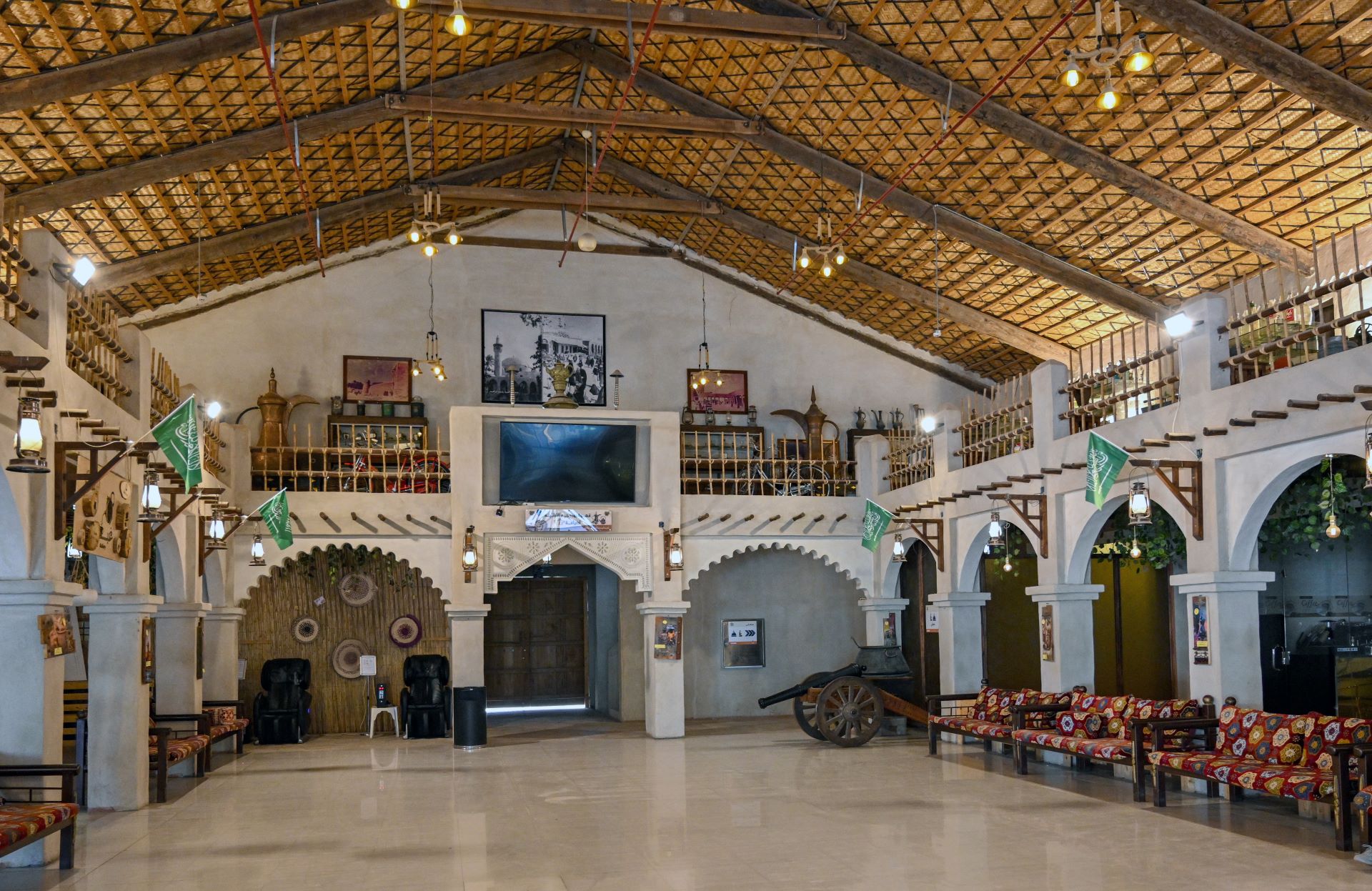
The Touristic City of Jawatha
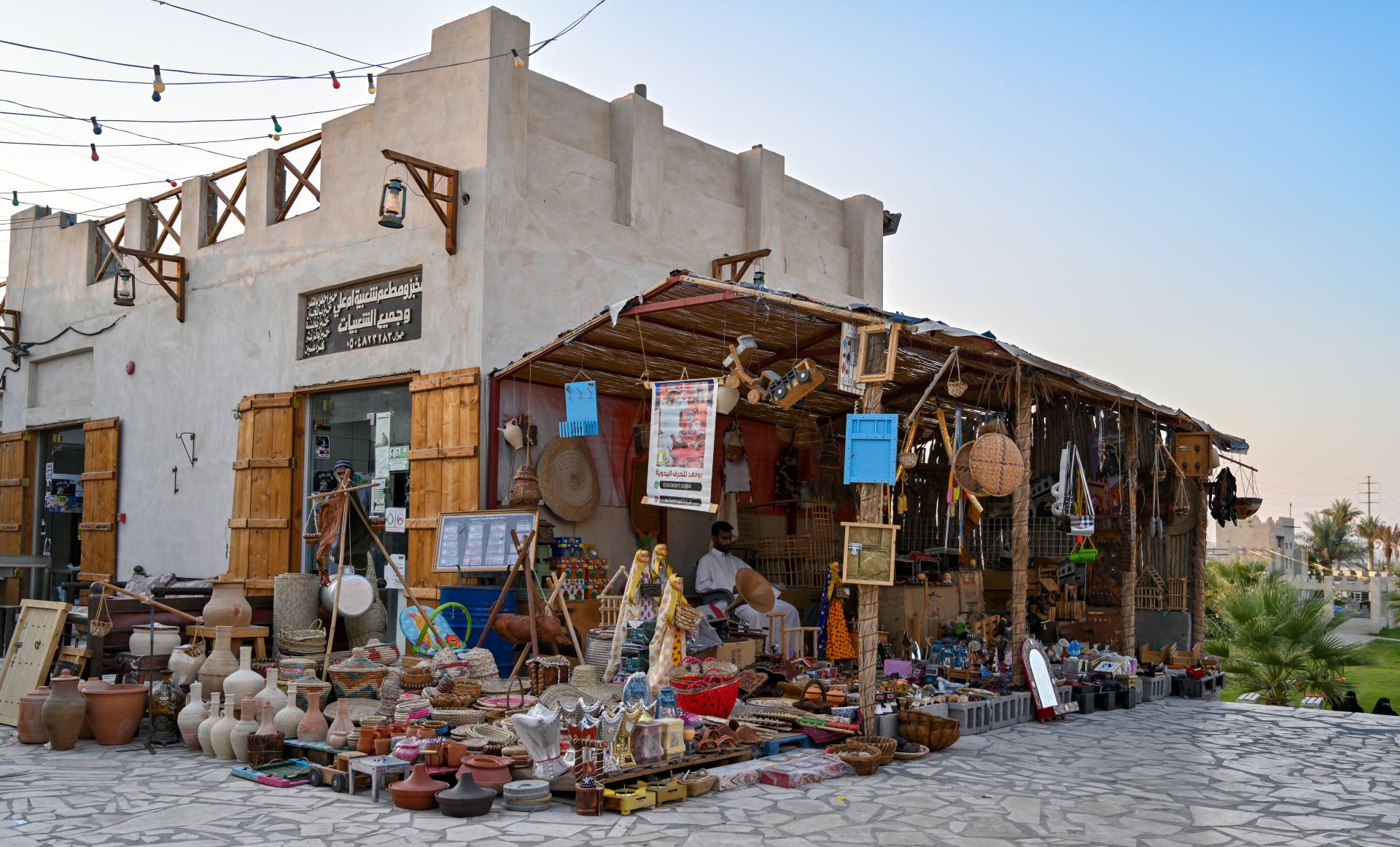
Jawatha is located in the northeast of Al Hofuf, and it is a tourist city that was opened in 2018 to be a distinctive destination that includes historical monuments, popular markets, and enjoyable activities. It welcomes visitors daily from 8:00 am to midnight. Jawatha is a historic area rich in monuments, as it was one of the first places to settle in the Eastern Province before Islam. It contained small stone tools dating back to the Stone Age, about 4000 years BC. The reason for its inhabitants choosing it in that era was its fertile agricultural land, numerous natural water springs, and active commercial movement. It was a transit station after the Uqair port that traders used to transport goods. In addition to its religious importance, its people were among the first to embrace Islam in the region, and it has the historic Jawatha Mosque, which is one of the oldest mosques in Al Ahsa. In the touristic city of Jawatha, you can enjoy paragliding shows, karting, paintball, amusement parks, and boating on the lake. You can also go shopping at Hajer Traditional Souq, which contains popular stores designed with a style that imitates the old construction of Al Ahsa, offering various traditional goods such as local pottery and souvenirs suitable for purchase and gifting. The city also includes various restaurants and cafes, such as Hakookah Restaurant, which serves Kuwaiti cuisine, and Om Ali Restaurant, which offers fresh traditional baked goods. Jawatha also has a zoo, spaces for cultural and entertainment events, and green areas for walking and camping. Entry to the city requires a nominal fee of ten Saudi riyals per person.


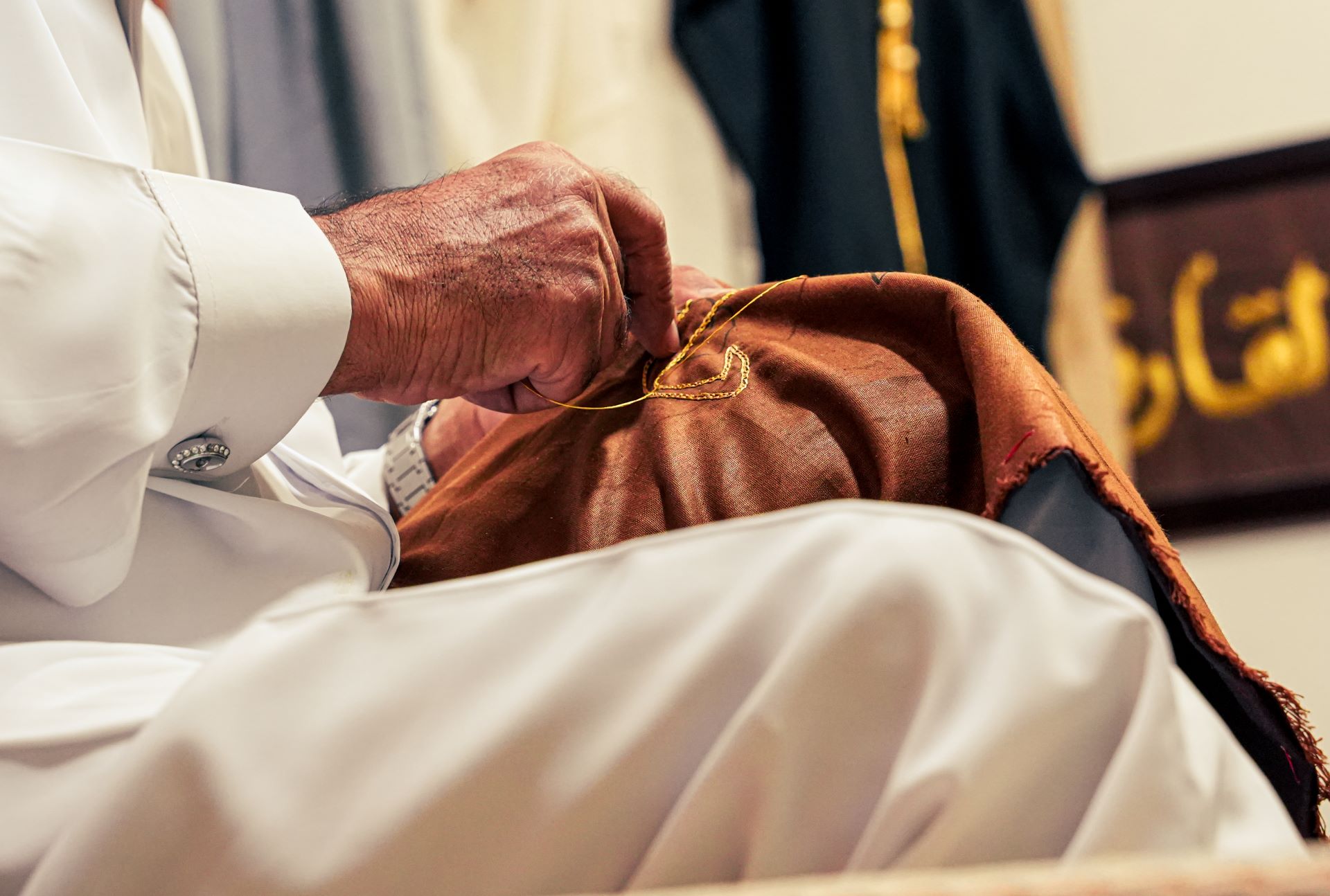
Handcraft Castle
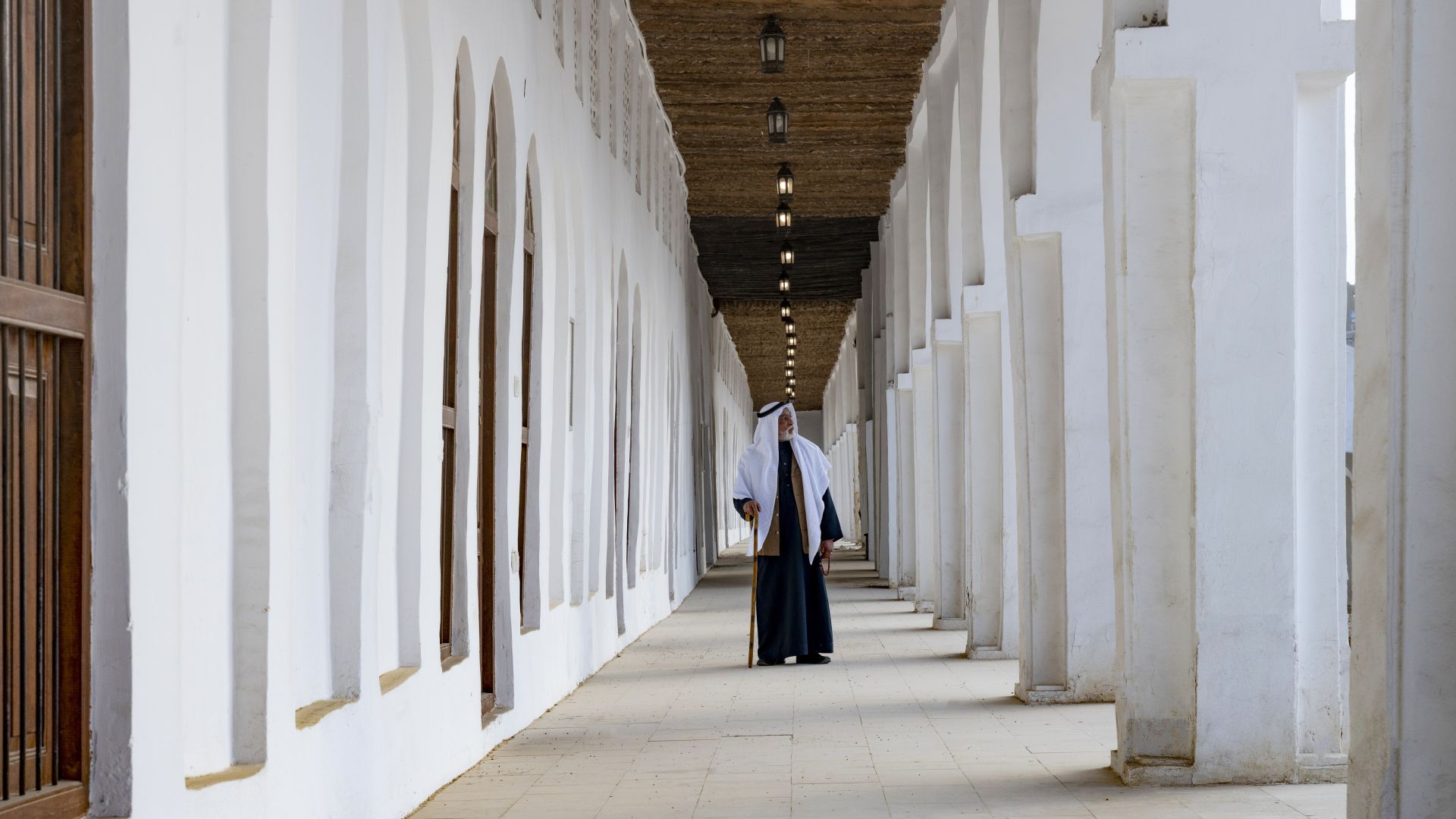
Handcraft Castle is one of the most important landmarks in Al-Ahsa, with its traditional heritage character. This is why it was included in the Creative Cities Network of UNESCO in the craft and folk-art creative field. From an artistic point of view, Handcraft Castle is characterized by its captivating design, inspired by Al-Ahsa's architecture. The castle covers an area of more than 12,000 square meters and consists of shops dedicated to crafts with self-activity, while other shops are dedicated to crafts that use water. All these shops are connected by covered corridors with windows that allow natural light to enter and ventilate the market. Handcraft Castle provides visitors with a unique shopping experience through its stunning heritage shops that bring together the joy of shopping by purchasing the finest heritage products made by the most skilled craftsmen in the city under one roof.

Historical Sahoud Palace
Al Ahsa Governorate has an enormous historical inventory that dates back centuries BC. The human civilizations followed one another in Al Ahsa. Being a natural oasis in an ideal location made Al-Ahsa desired by many. However, its people worked to protect it from enemies by building castles and palaces with towers that gave them a comprehensive view of their surroundings. One of the most important protective palaces in Al Ahsa is Sahoud Palace. The construction of Sahoud Palace began in 1790 and ended in 1800. It was named Sahoud after a large cannon that was installed there. The palace formed a formidable fortress against external dangers with its majestic and impregnable wall and seven circular watchtowers. In addition, the palace's main gates contain openings that allow the defenders to accurately fire at the attackers. As you enter the palace, you can stroll through its interior rooms and visit the mosque inside it. The palace also includes a weapons cellar, a water well, and stables for horses. Sahoud Palace is distinguished by its beautiful architectural design, making it one of the most visited historical sites in Al Ahsa.

Bayt Al-Bay'ah
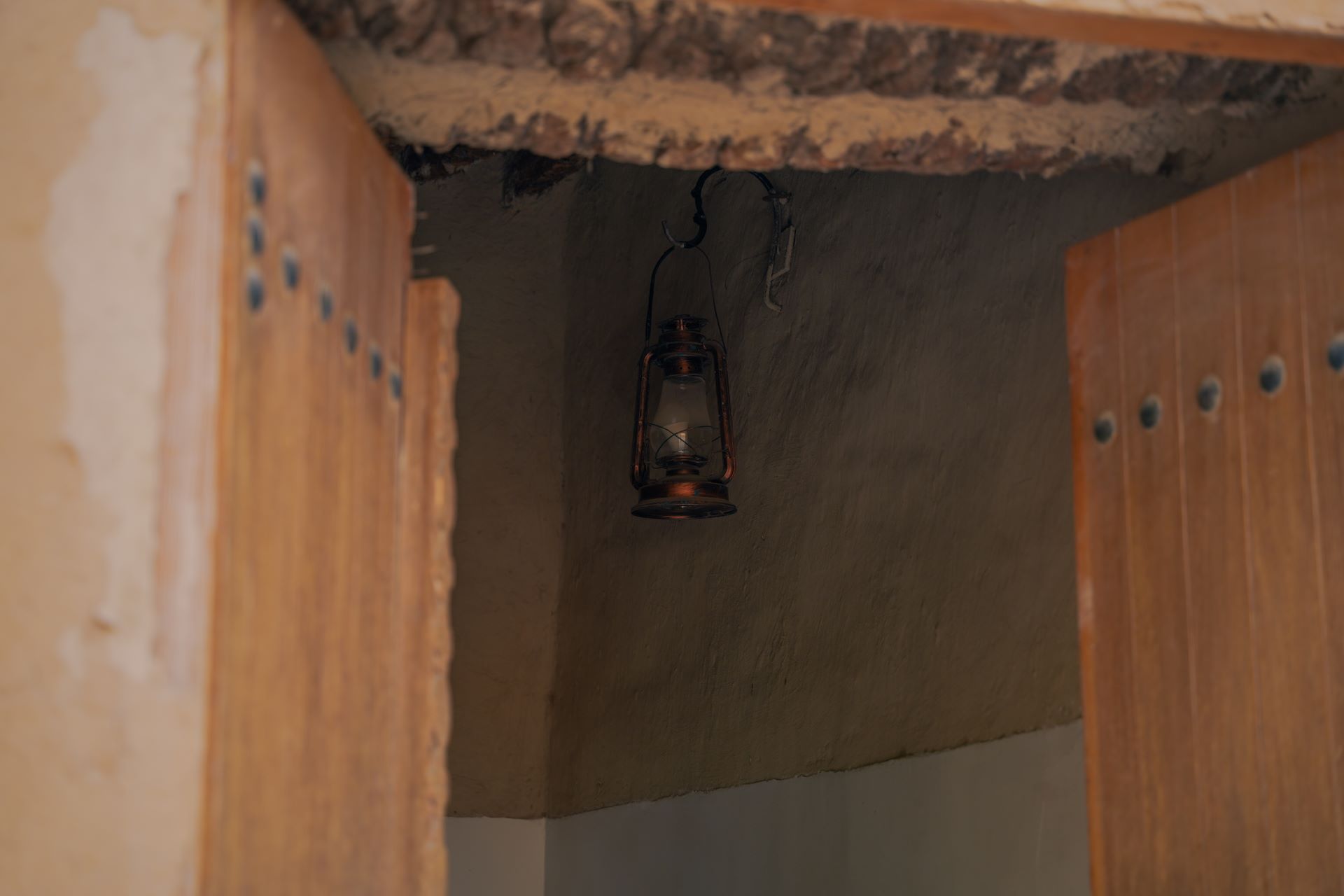
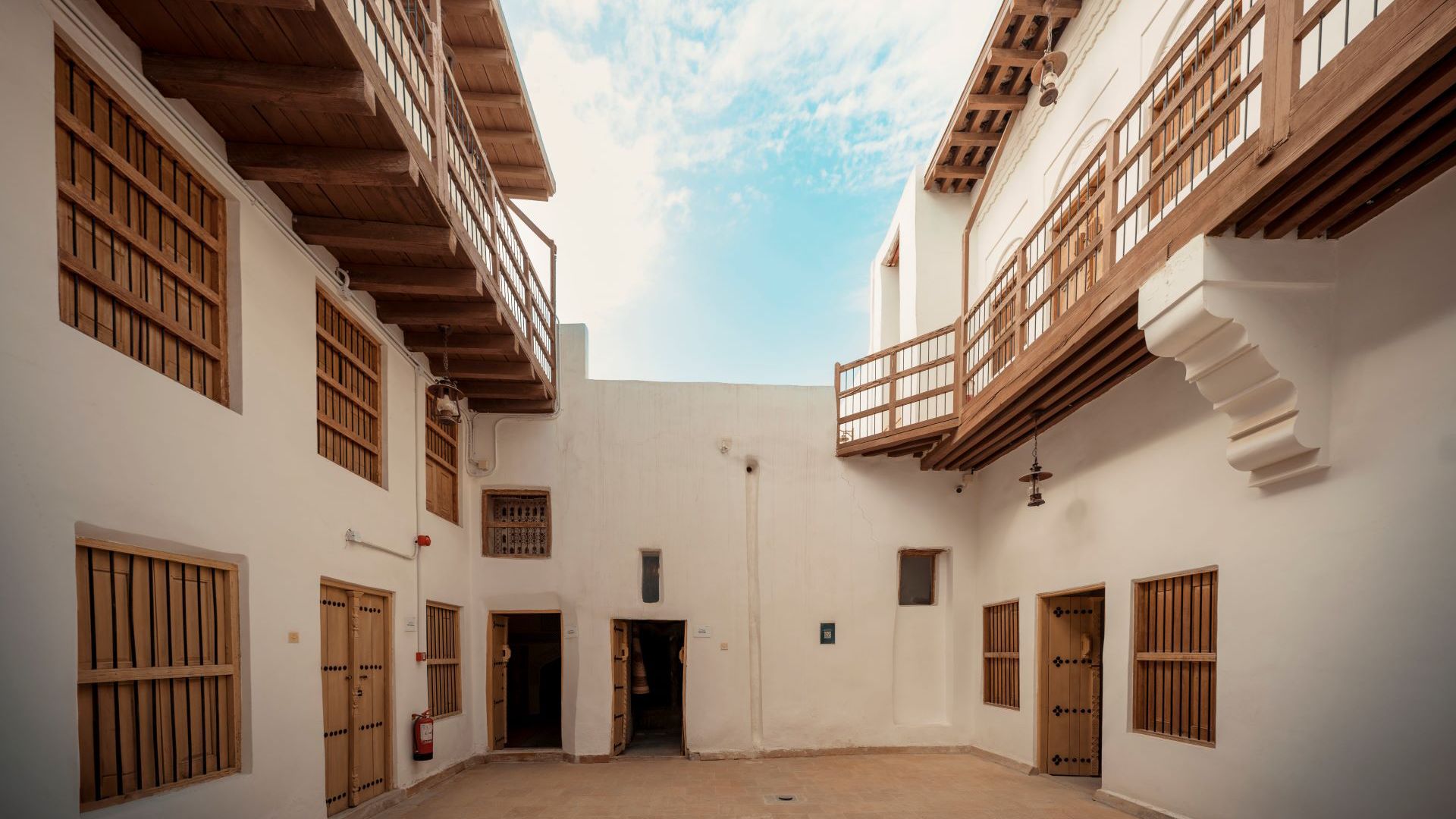
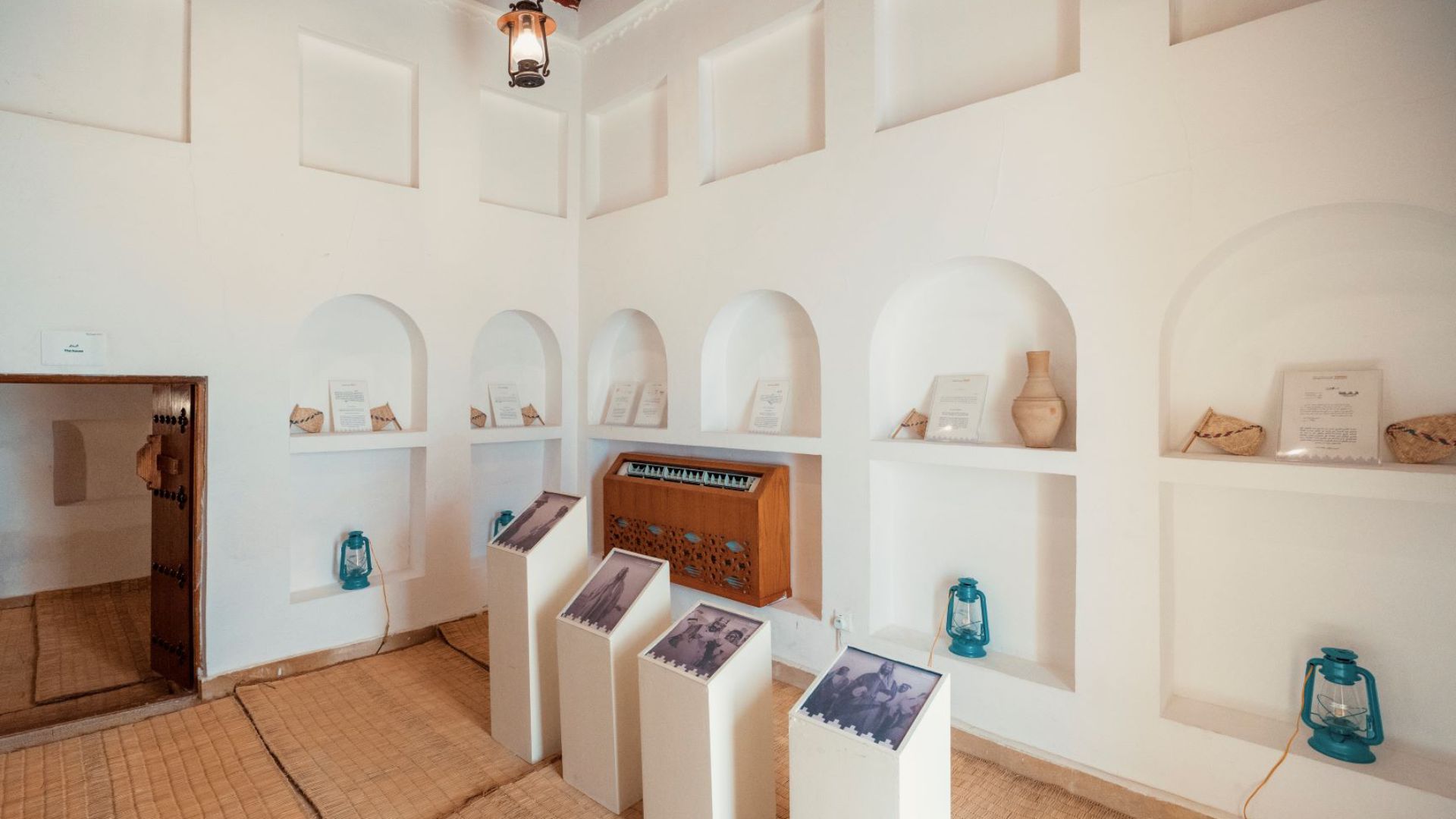
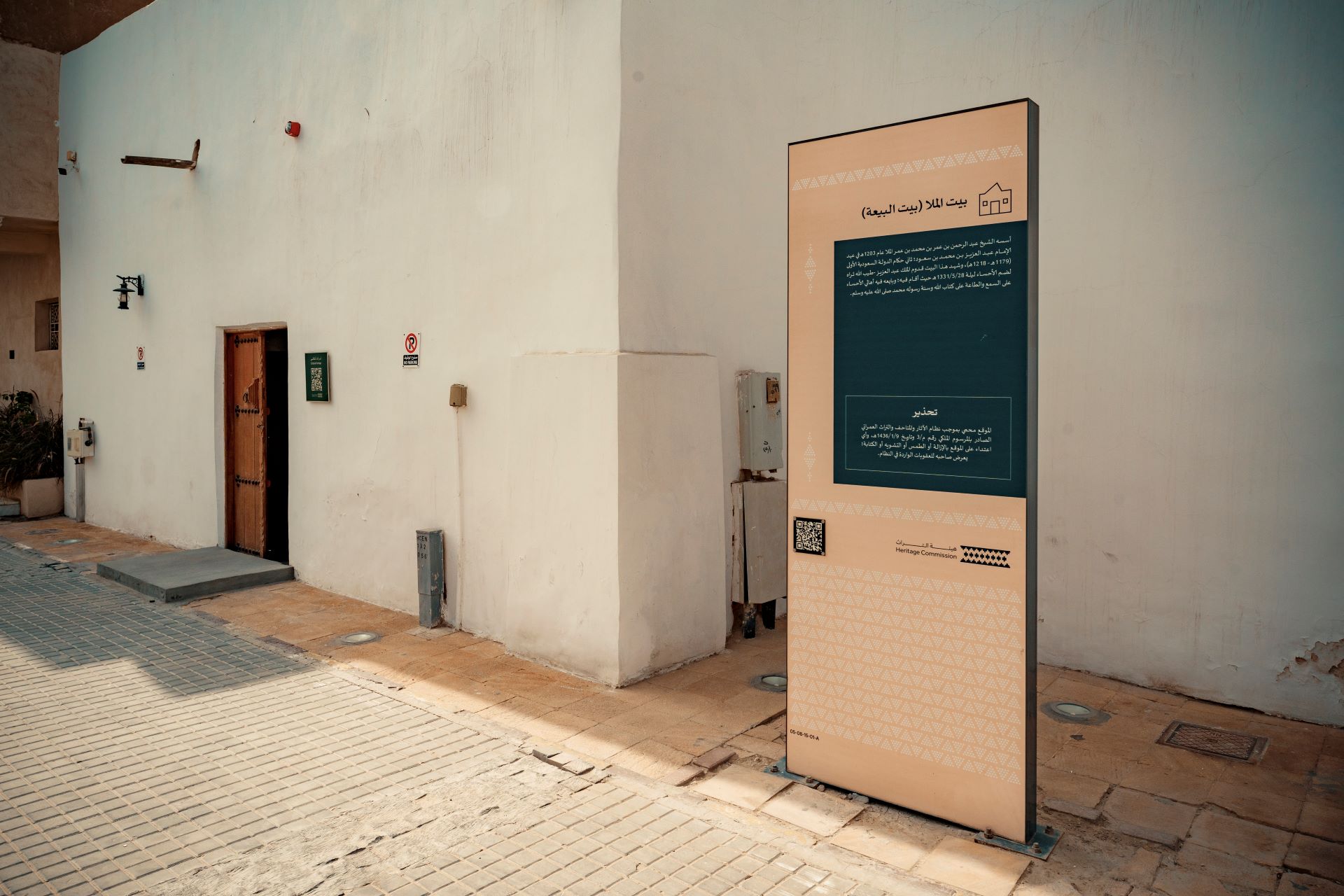
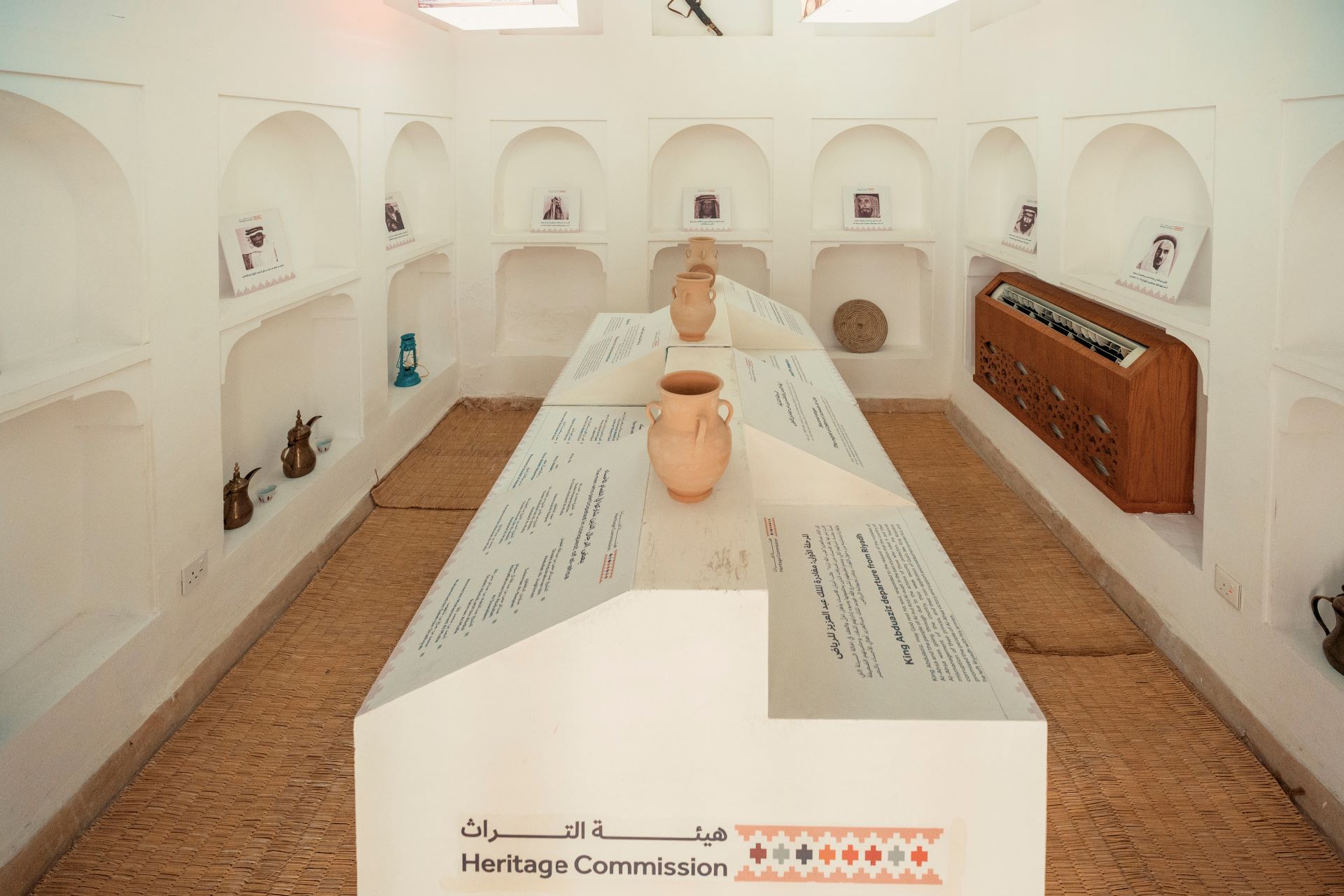
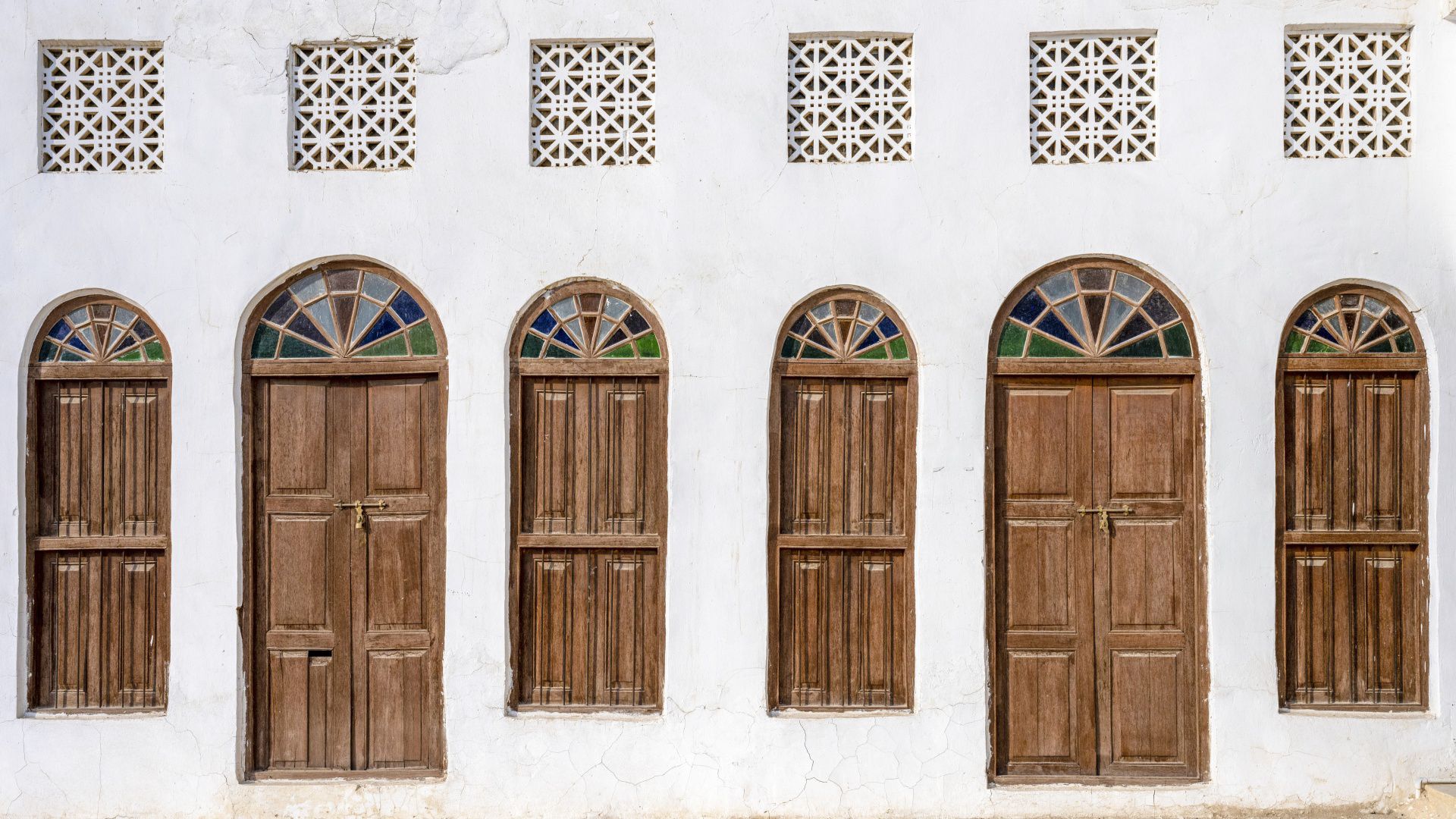
Step into Bayt Al-Bay'ah in Al-Ahsa, a historic landmark built in 1203 AH (1788 CE) by Sheikh Abdul Rahman Al-Mulla, capturing the elegance of traditional Saudi architecture during the First Saudi State. Located in the Al-Rawda neighborhood of Al-Kut, this house is where the people of Al-Ahsa pledged loyalty to King Abdulaziz Al Saud on the night of Jumada Al-Akhirah 5, 1331 AH (1912 CE). Owned at the time by Sheikh Abdul Latif Al-Mulla, Mufti of Al-Ahsa, the house holds the very room where King Abdulaziz rested. Today, Bayt Al-Bay'ah invites history enthusiasts and culture lovers to explore its charm. Recently restored and open to visitors, it enchants with its modest exterior and striking pointed arches that crown the interior openings, showcasing the timeless beauty of Saudi heritage and the enduring legacy of Al-Ahsa. The ownership of the house dates back to the old judge of Al-Ahsa, Abdullatif Al Mulla. It was built in 1789 on an area of 705 square meters using the traditional method for designing houses at that time. It is characterized by delicate aesthetic details, such as the engravings on the walls, hanging lanterns, and wooden windows. In 1913, King Abdulaziz visited Al-Ahsa and stayed in this house for four days to receive the Bay'ah of the people of the city as a sign of their joining the Saudi state. When you visit the House of Allegiance, which later became a museum, you will find many archaeological artifacts and some utensils used by the king during his stay, as well as detailed descriptions of the lifestyle of the people of Al-Ahsa in the past, accompanied by informative phrases, such as the place for storing dates, guest rooms, historical photos, and some authentic traditional clothing.

Masjid Al-Jalaniah
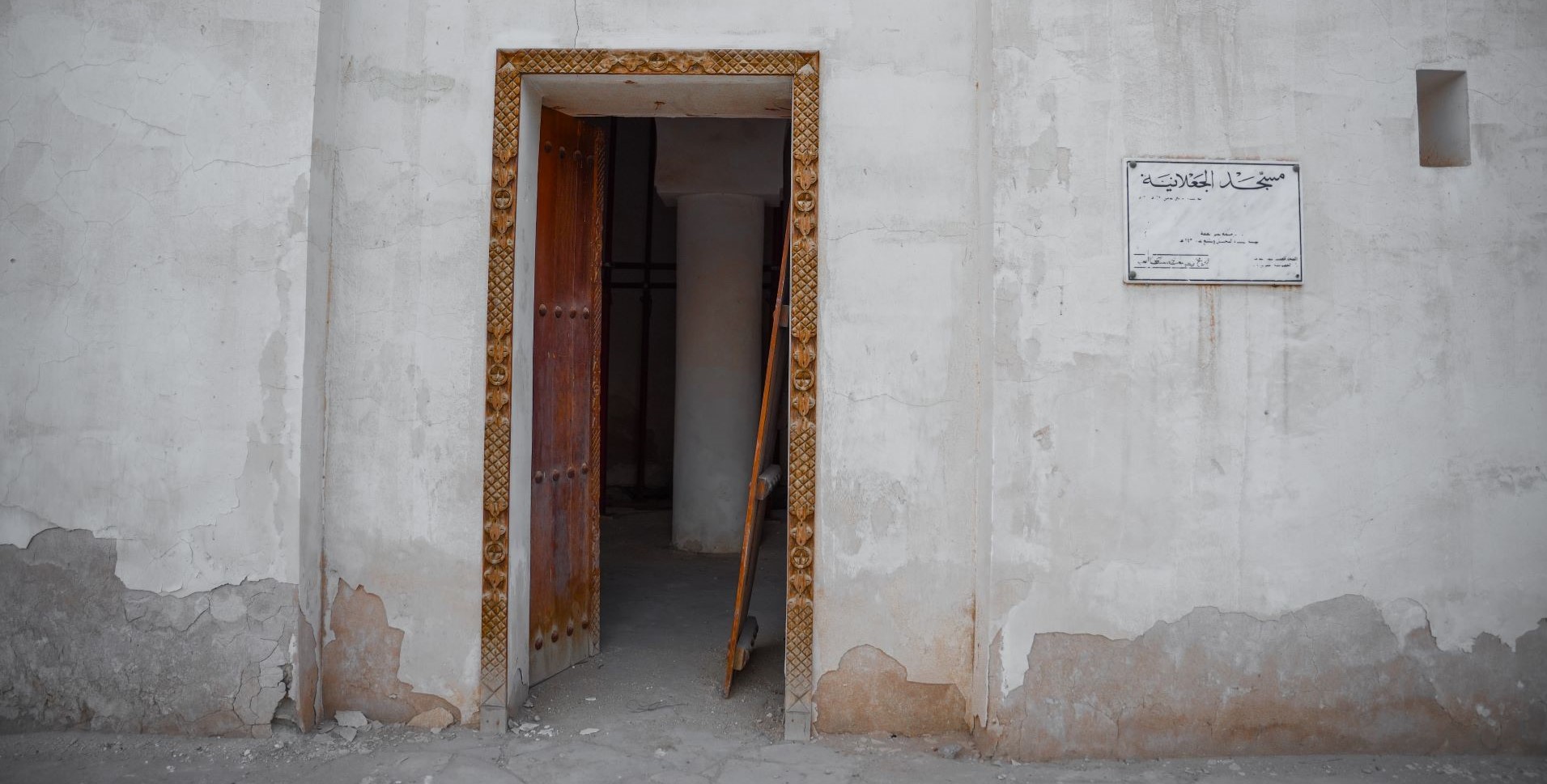
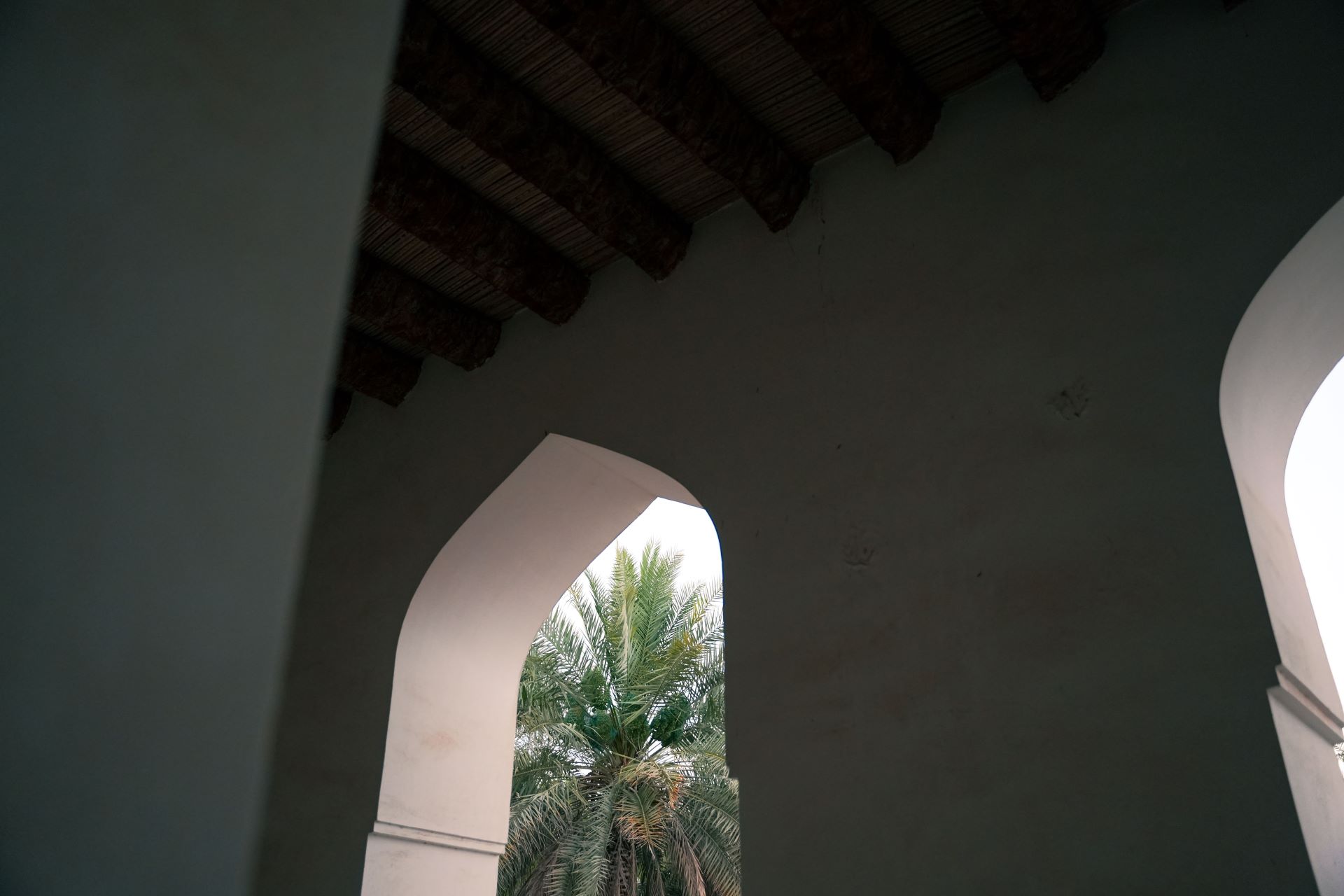
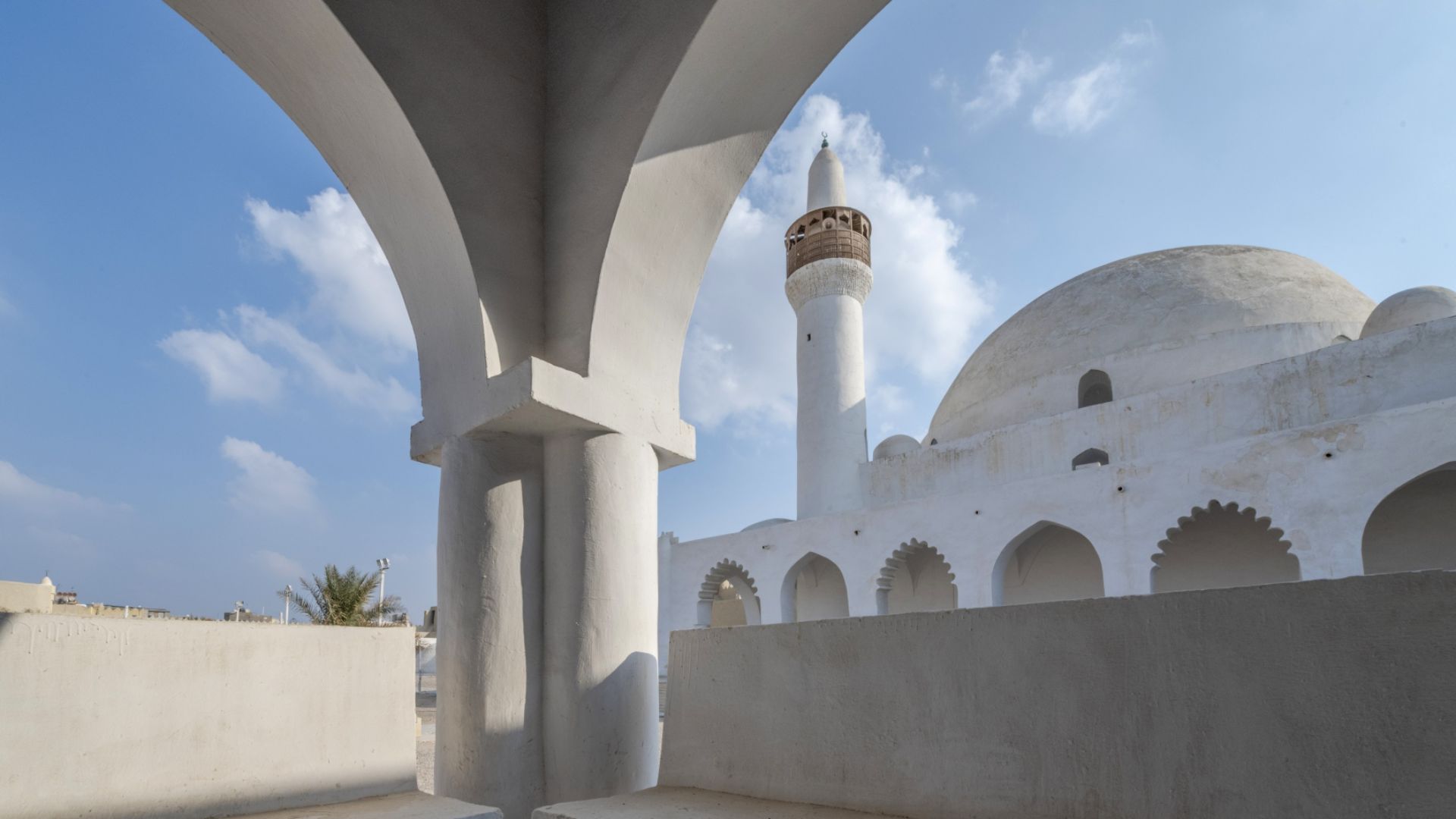
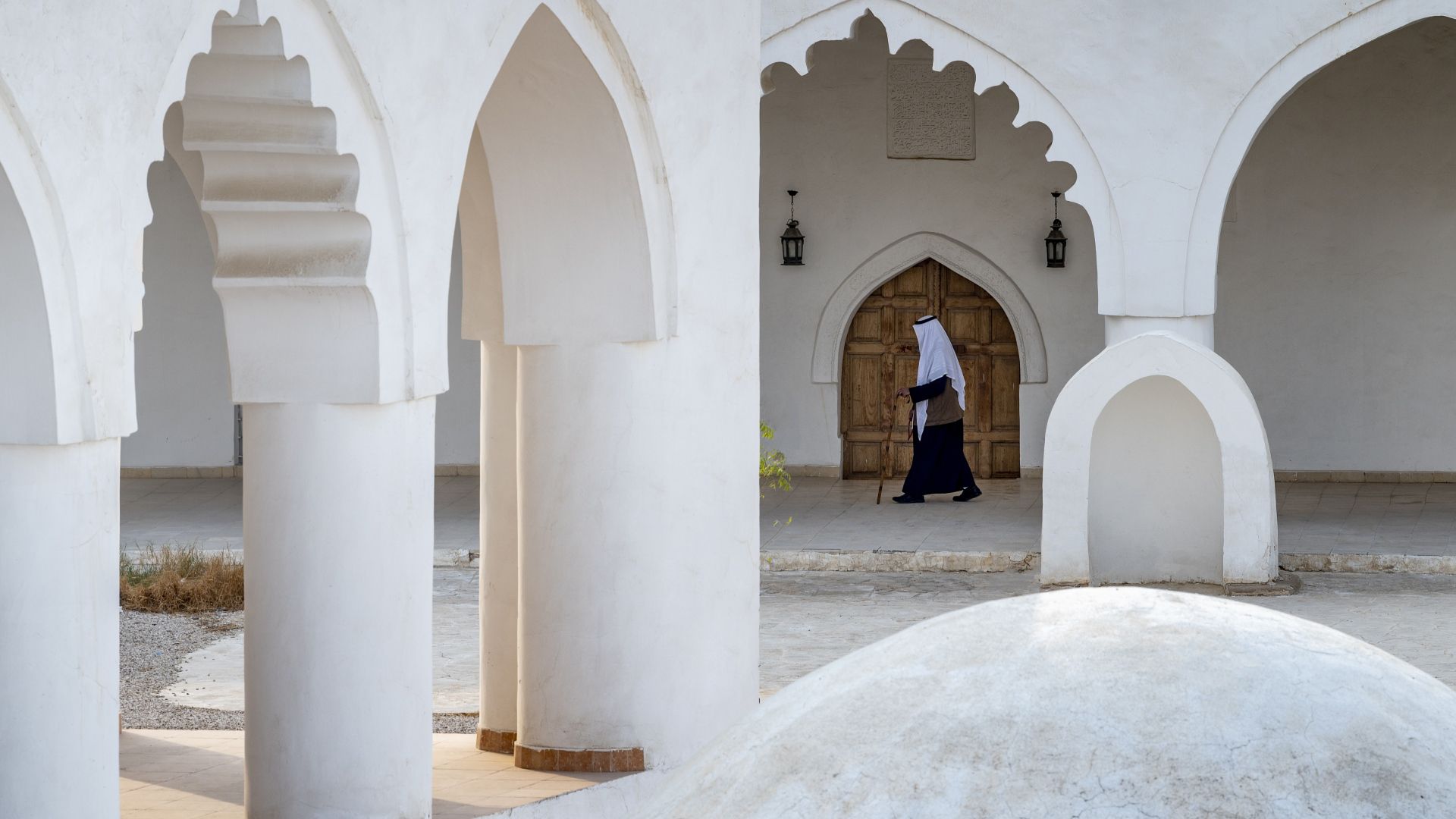
Al-Ahsa is home to many historic mosques that still preserve their mud structure adorned with unique architectural designs as if they were an open book that tells the story of historical eras that have passed. Among the historic treasures that have stood the test of time is Masjid Al-Jalaniah, dating back to the 12th century AD, surrounded by towering palm forests near water springs. Masjid Al-Jalaniah is located in the western part of Al- Bataliyah village, approximately 12 km northeast of Al-Hofuf city. The mosque covers an area of about 2000 square meters. The mosque is known by several names, including Al-Jami, Al-Radd, or Princess Heba bint Abdullah bin Ali Al-Oyouni. Masjid Al-Jalaniah is characterized by its rectangular shape, which is narrow and extends longitudinally. The mosque includes two mihrabs and its courtyards consist of five columns to the north of the second mihrab and five columns to the south, forming a row of columns that support four pointed arches to the north and four pointed arches to the south. Due to Saudi Arabia's interest in preserving and restoring historic mosques, the Royal Commission for Jubail and Yanbu restored Masjid Al-Jalaniah, and its restoration was completed in 1430 AH/2009 AD.
Qasr Ibrahim
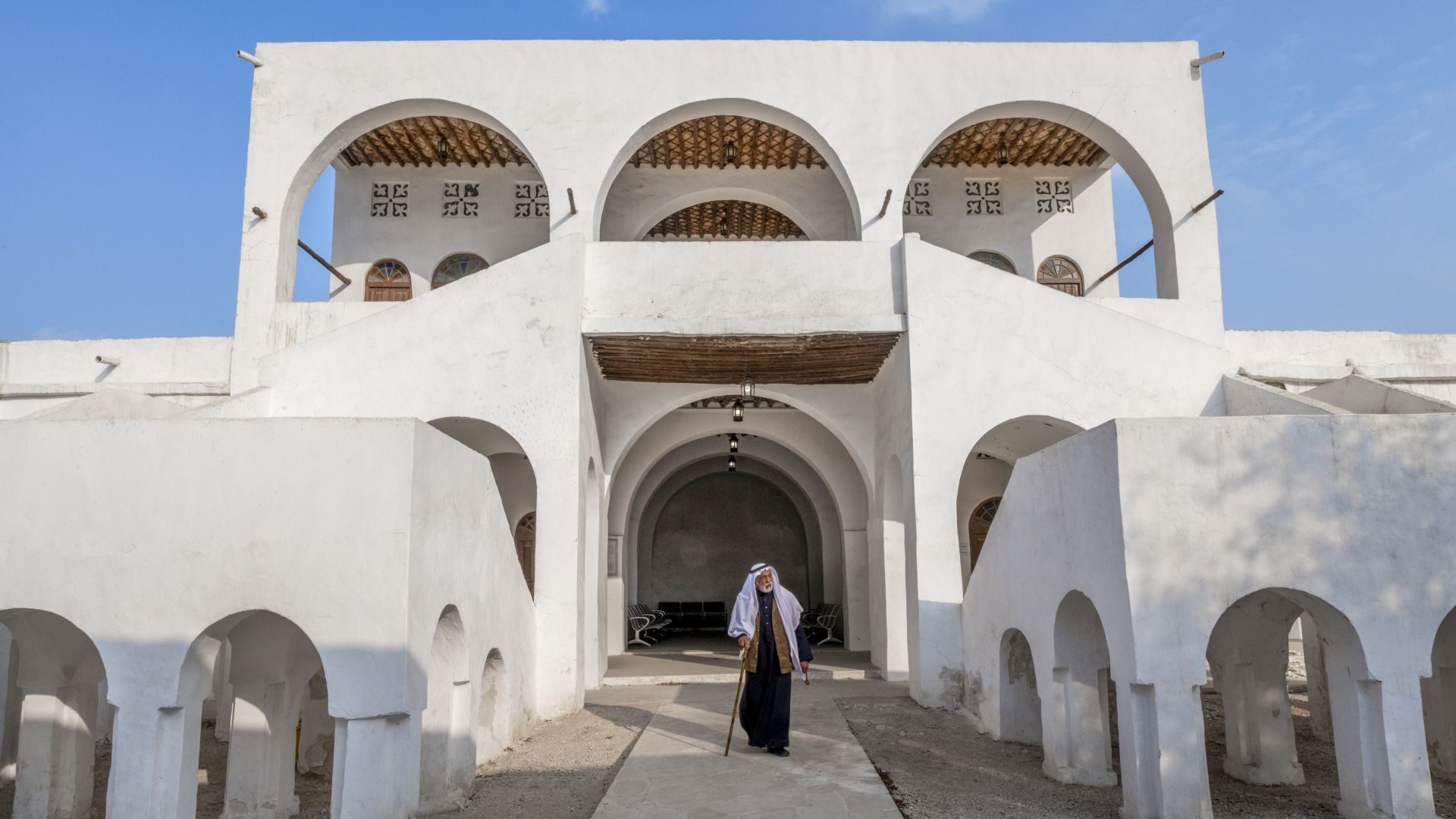
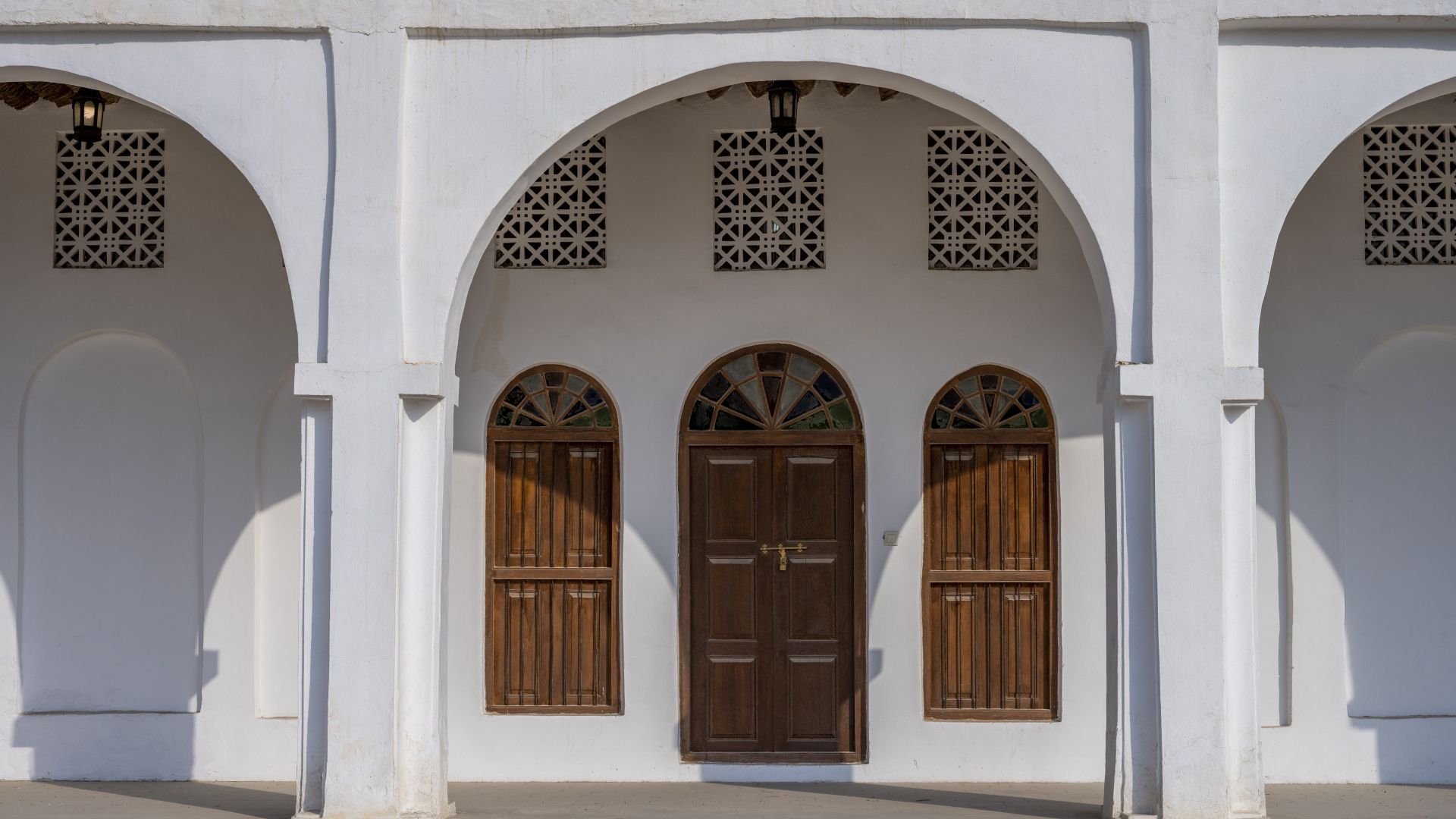
Explore Qasr Ibrahim, a historic landmark at the center of Al-Hofuf’s Al-Kut neighborhood. Covering 18,200 square meters, this palace—built during the Al-Jabri dynasty (1436–1534 CE) and also known as 'Qasr Al-Qubba' or 'Qasr Al-Kut'—represents Al-Hofuf’s past as a thriving trade hub and fortress of power. Enjoy its blend of religious and military architecture: from the iconic Islamic domes, arches, and mosque mihrab to the towering walls, soldier barracks, and stables that reveal its defensive legacy.
Al Qarah Mountain
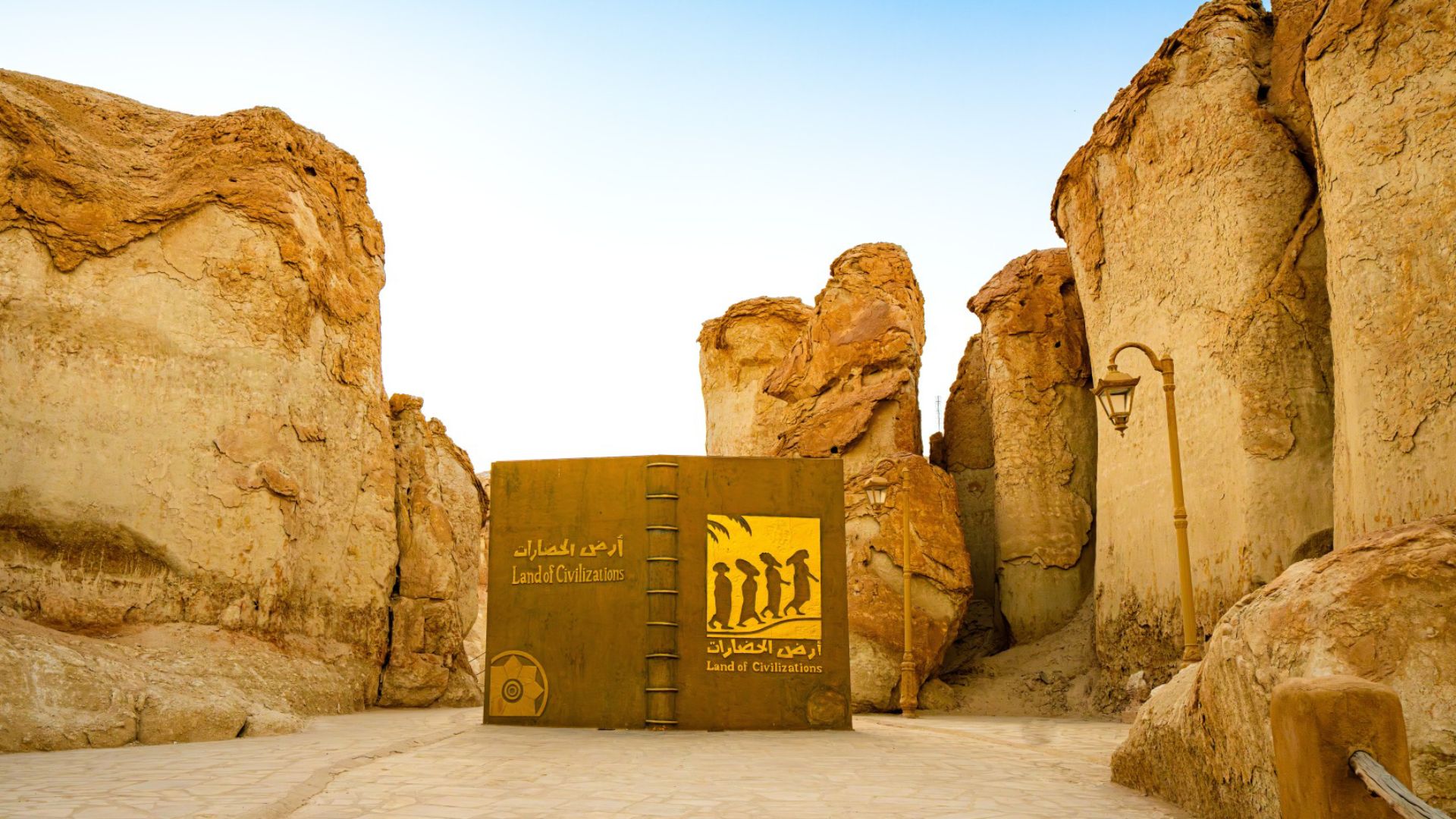
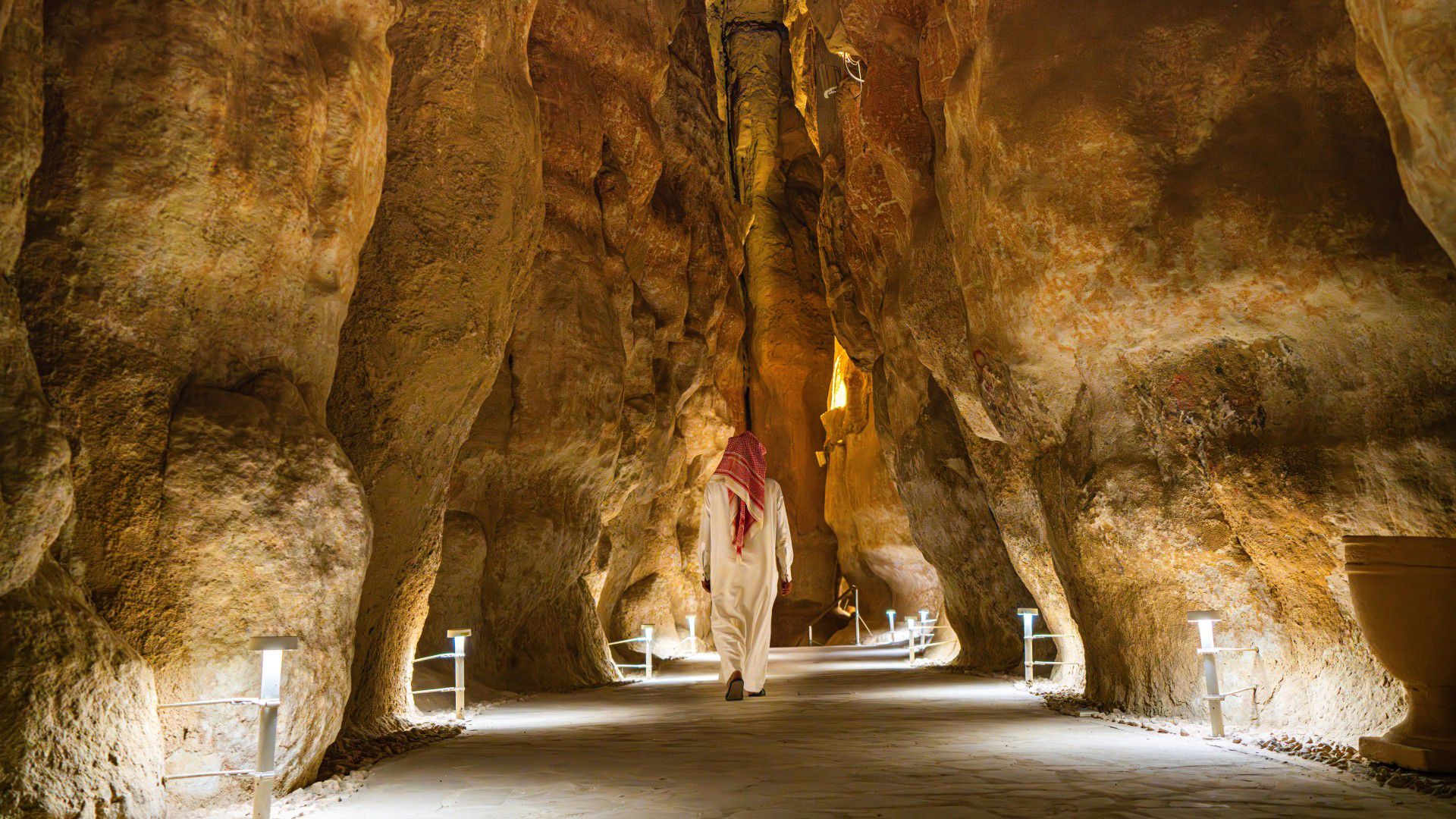
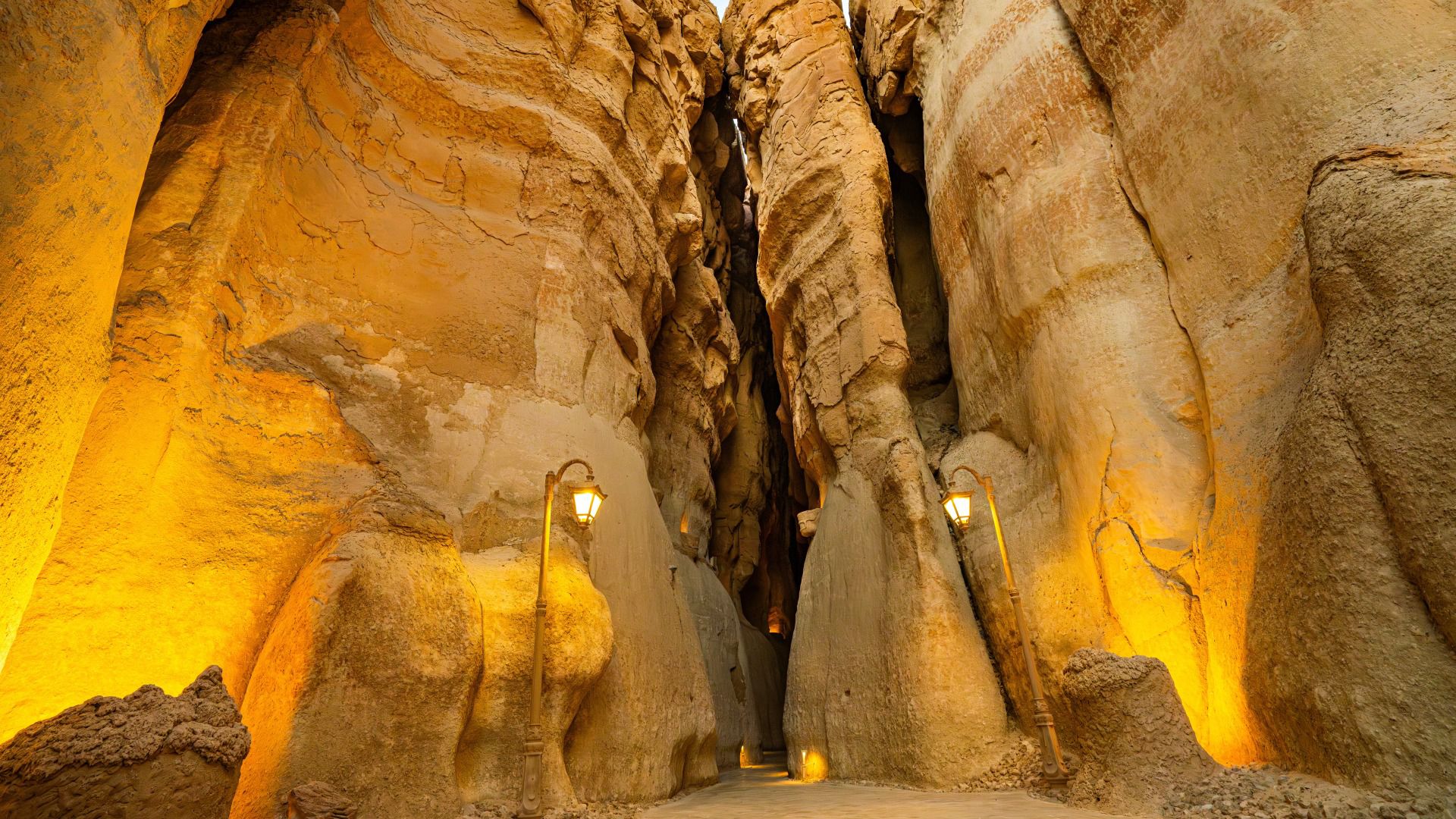
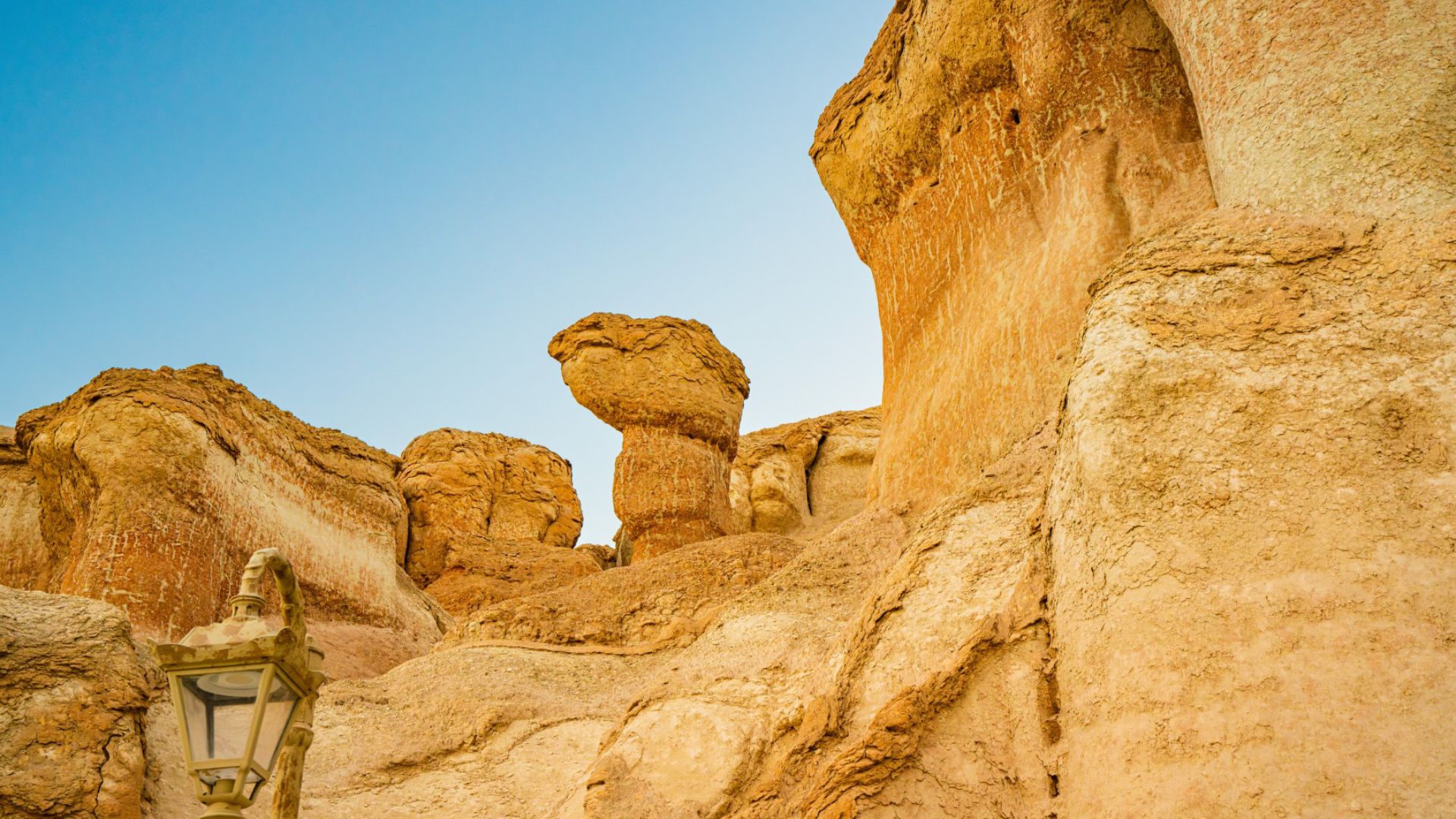
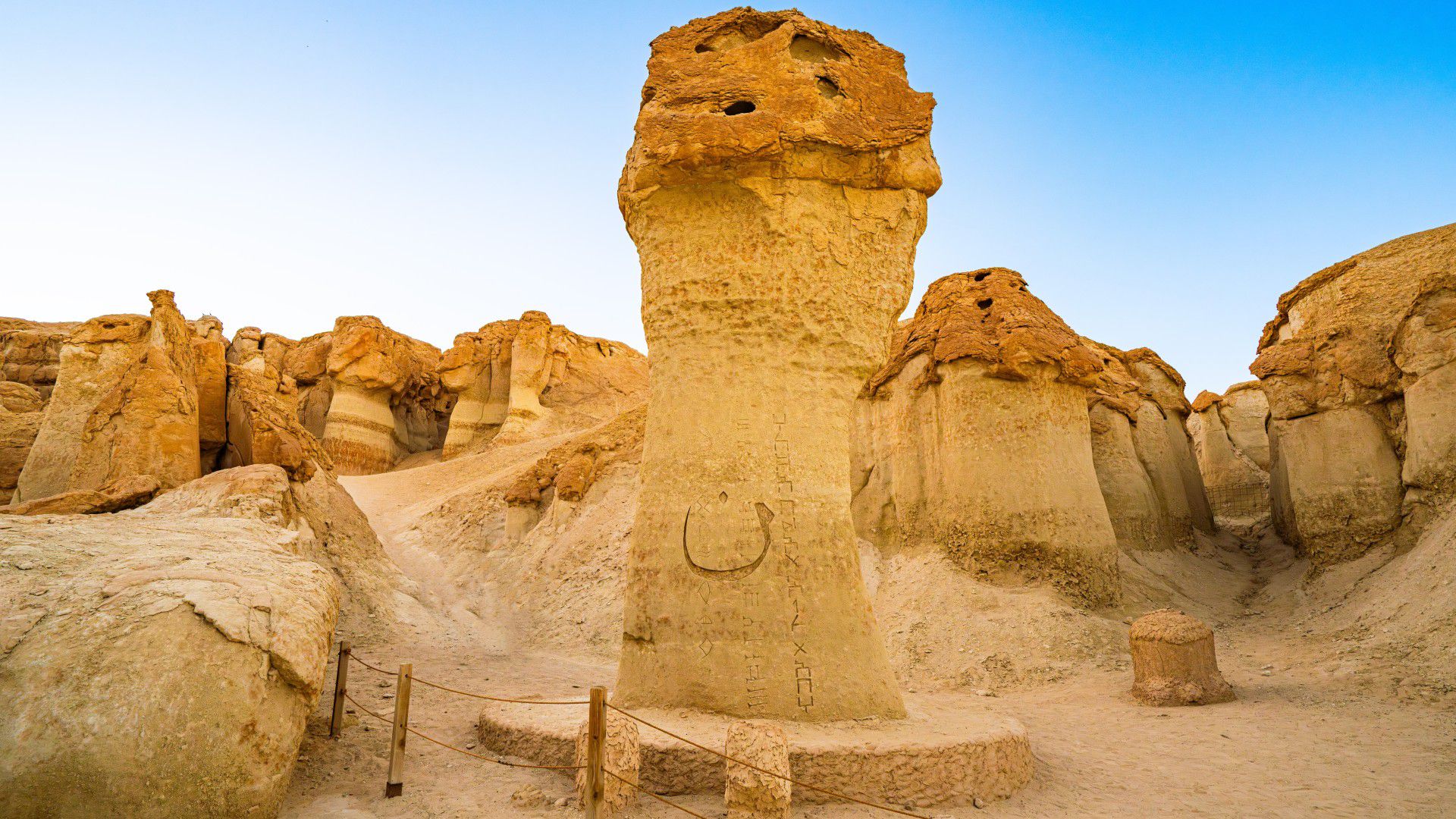
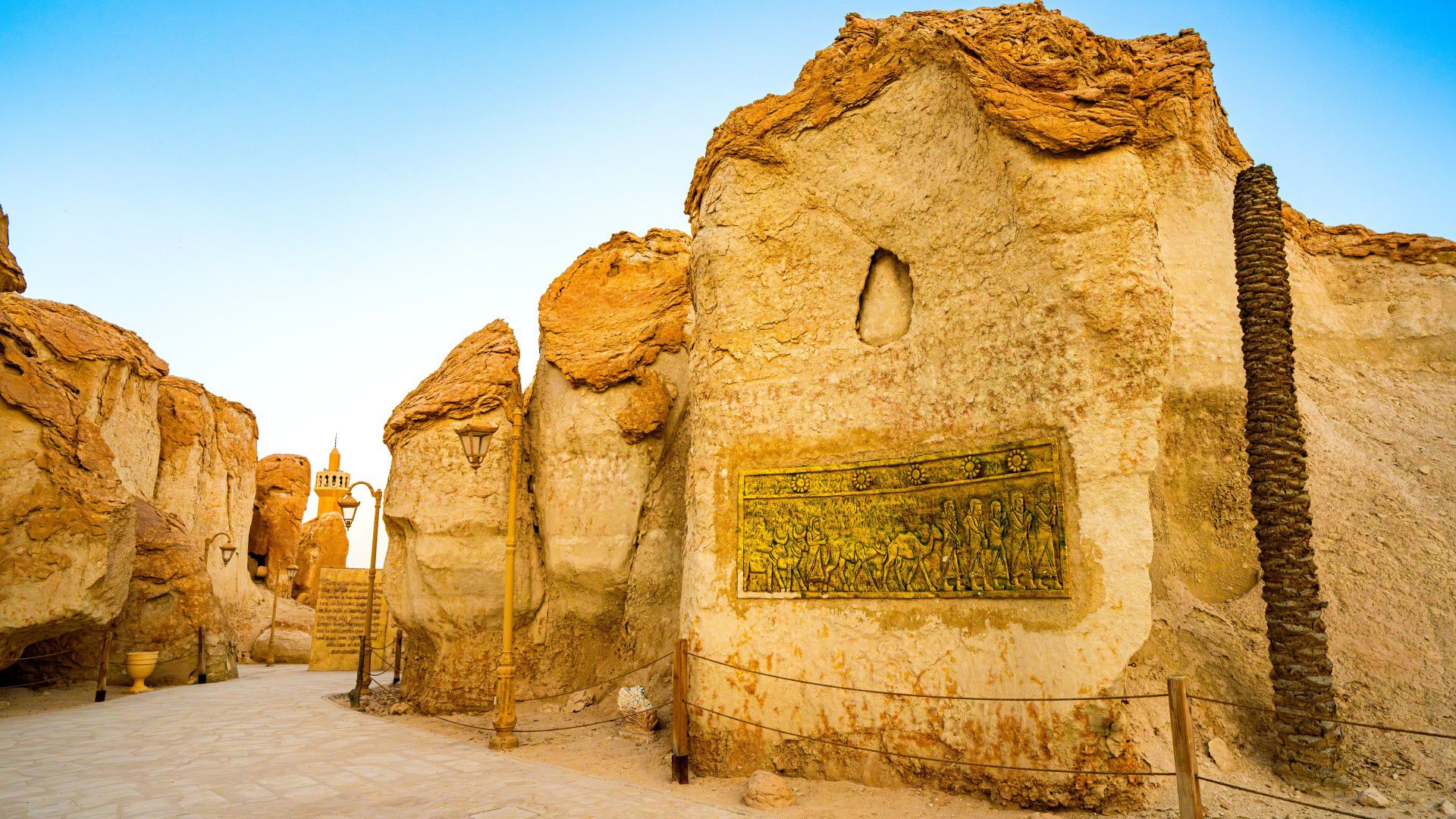
Discover the captivating caves of Al Qarah Mountain, shaped over centuries by natural processes like the dissolving of water-soluble rocks, abrasion, and earthquake fissures. These unique formations boast 28 tall linear passageways stretching 1.5 kilometers, offering a maze of wonder for explorers and history enthusiasts alike. Among the most famous caves are Al Nashab, known for its moderate temperatures year-round, and Bu Saleh, Al Eid, An Naqa, Al Mua'adhamah, and Al Maheub, each holding its own charm and stories. Some caves even host workshops for local potters, adding a cultural touch to the experience. With guided tours available, visitors can immerse themselves in the history and natural beauty of this heritage treasure, making Al Qarah’s caves a must-see in Saudi.