Tourist Attractions
Explore the most beautiful tourist attractions in the Kingdom of Saudi Arabia
Al-Qatt Al-Aseeri Museum (Fatimah Museum)
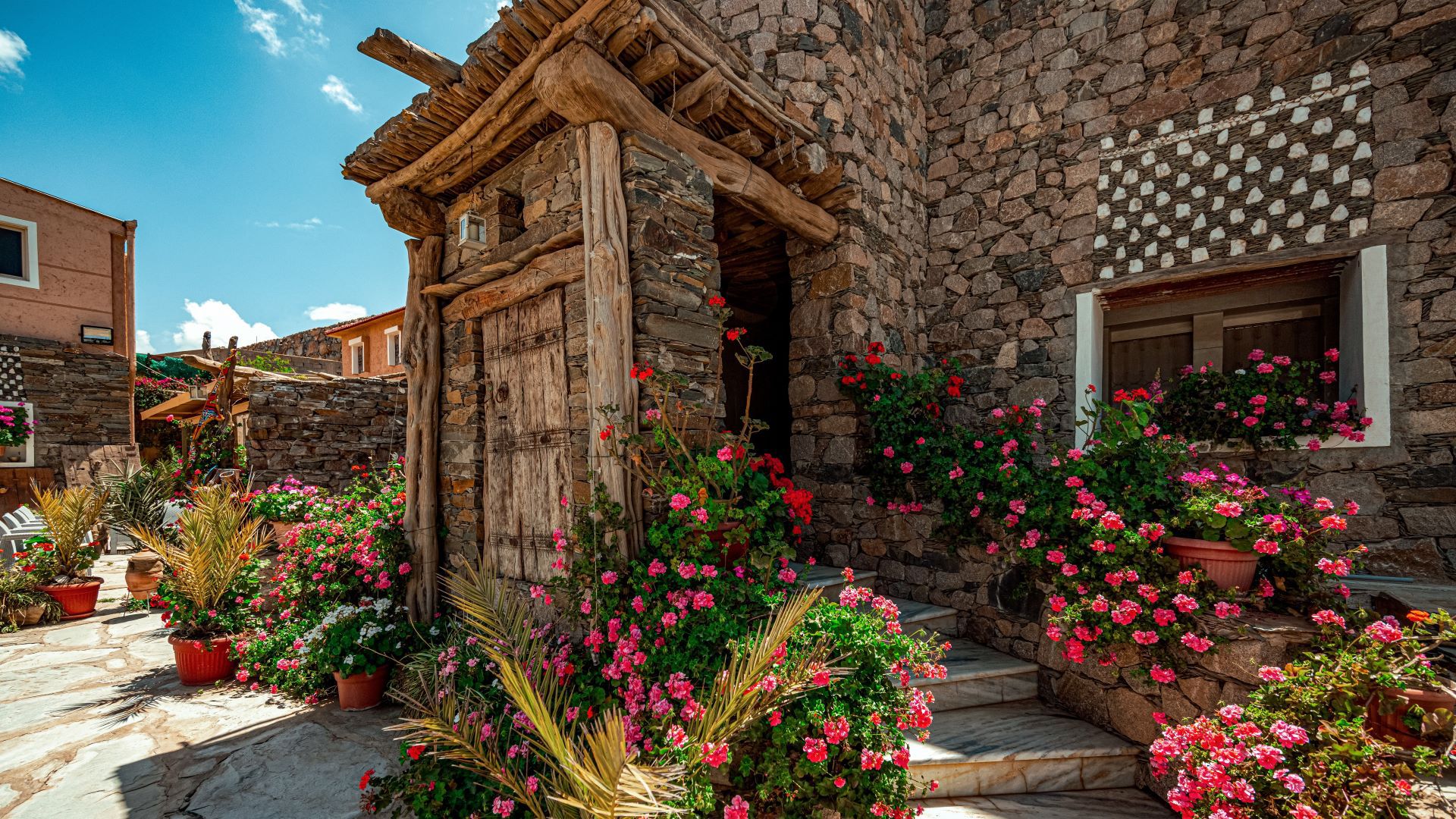
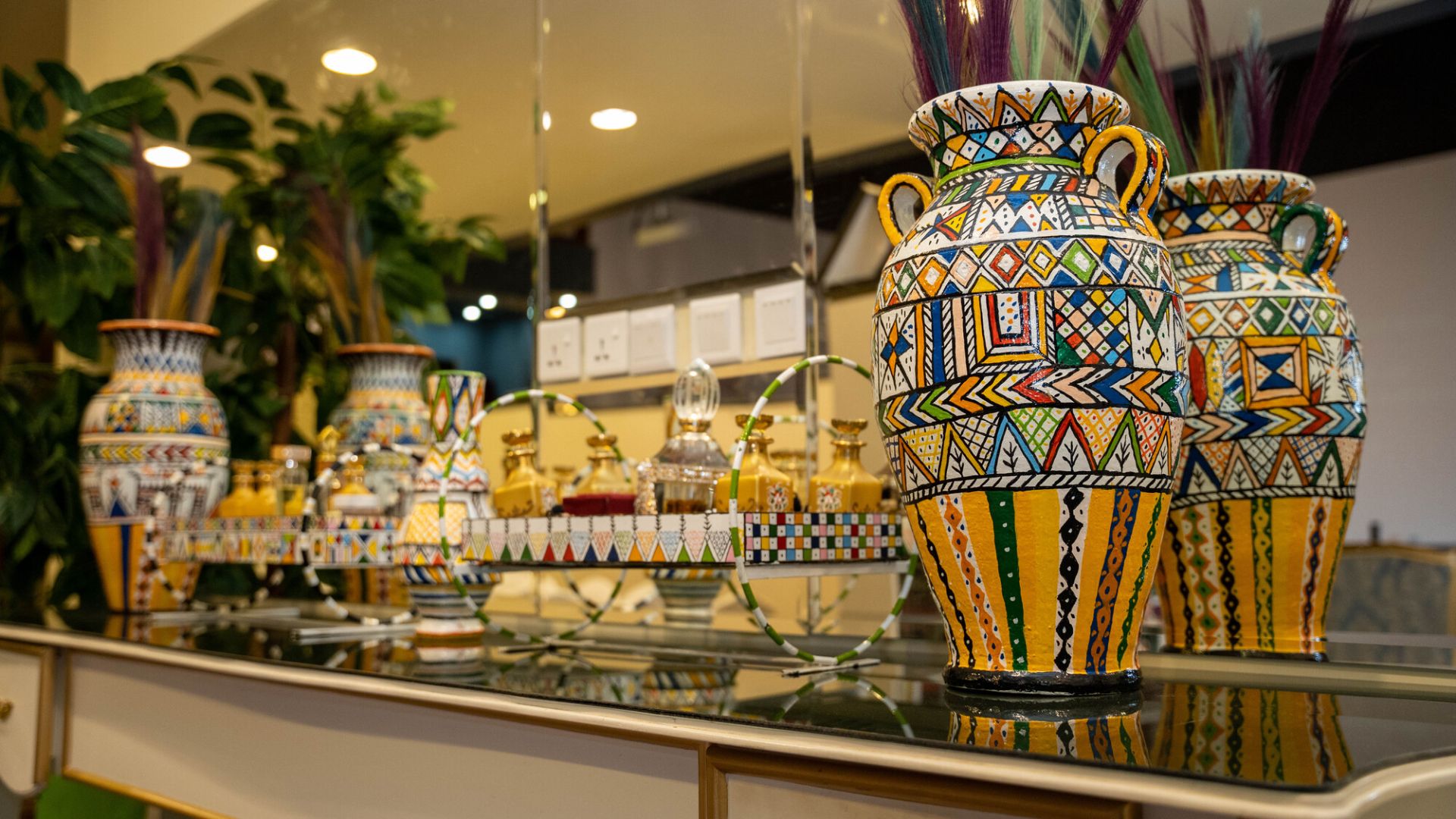
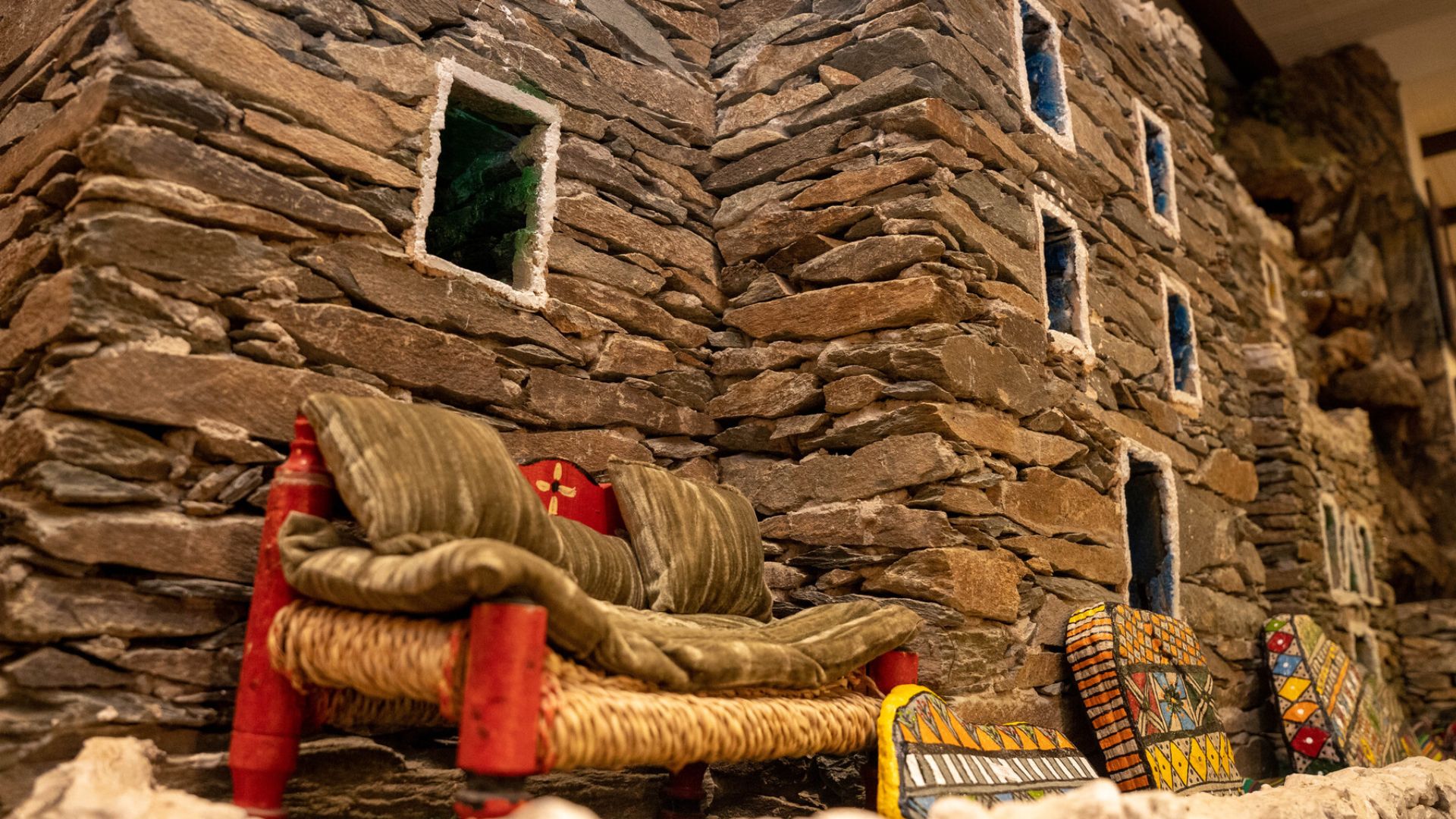
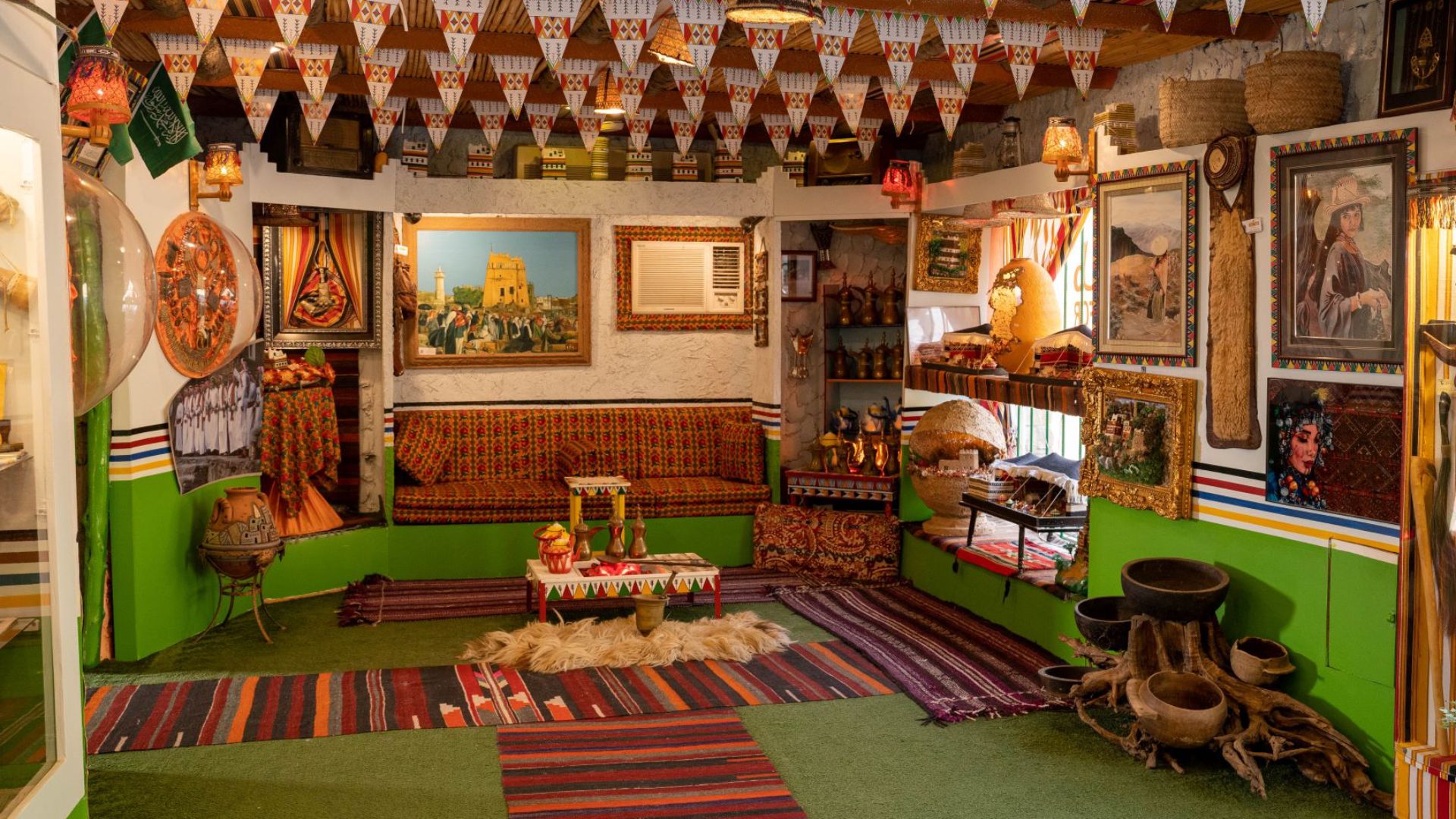
Step into the Al-Qatt Al-Aseeri Museum, where the vibrant and intricate art of Al-Qatt Al-Aseeri comes to life. This unique museum, dedicated to the traditional art and heritage of Aseer’s women, offers an immersive experience that showcases their distinctive style in home decoration and daily life. From the moment you enter, the aromatic plants at the entrance welcome you into a world of colorful geometric patterns and lively decorations. The walls adorned with Al-Qatt's vibrant lines and shapes tell stories of cultural heritage and artistic expression, recognized by UNESCO as an intangible cultural heritage. Visitors can partake in educational workshops to learn about this art form and even purchase unique items adorned with Al-Qatt motifs. As you explore, you'll gain insight into the symbolic meanings behind the designs, reflecting the values and traditions of the local community. Witness the remarkable skill of Aseer’s women in crafting natural colors from their environment and using them to beautify their homes. The artistic decorations in Fatimah’s Museum of Aseeri Woman’s Heritage display the aesthetic and symbolic connotations of the memory of the Southern identity. The triangle resembles the woman, whereas the square symbolizes the completion of the recitation of the Holy Quran, which highlights the importance of the religious dimension of the local community. On the other hand, the comb-like paintings which have the same length reveal the essence of human relations based on the principle of equality. The Aseeri woman’s creativity is evident in extracting bright pigments from the natural supply of the Aseer province. The journey of Al-Qatt Al-Aseeri pioneers starts by extracting the green pigment from clovers, black from coal, and yellow from curcumin. The journey is only completed by mixing each color with the gum Arabic to make permanent shapes and vibrant colors that would long last on the walls of the lively Southern homes.
Alraqdi Museum
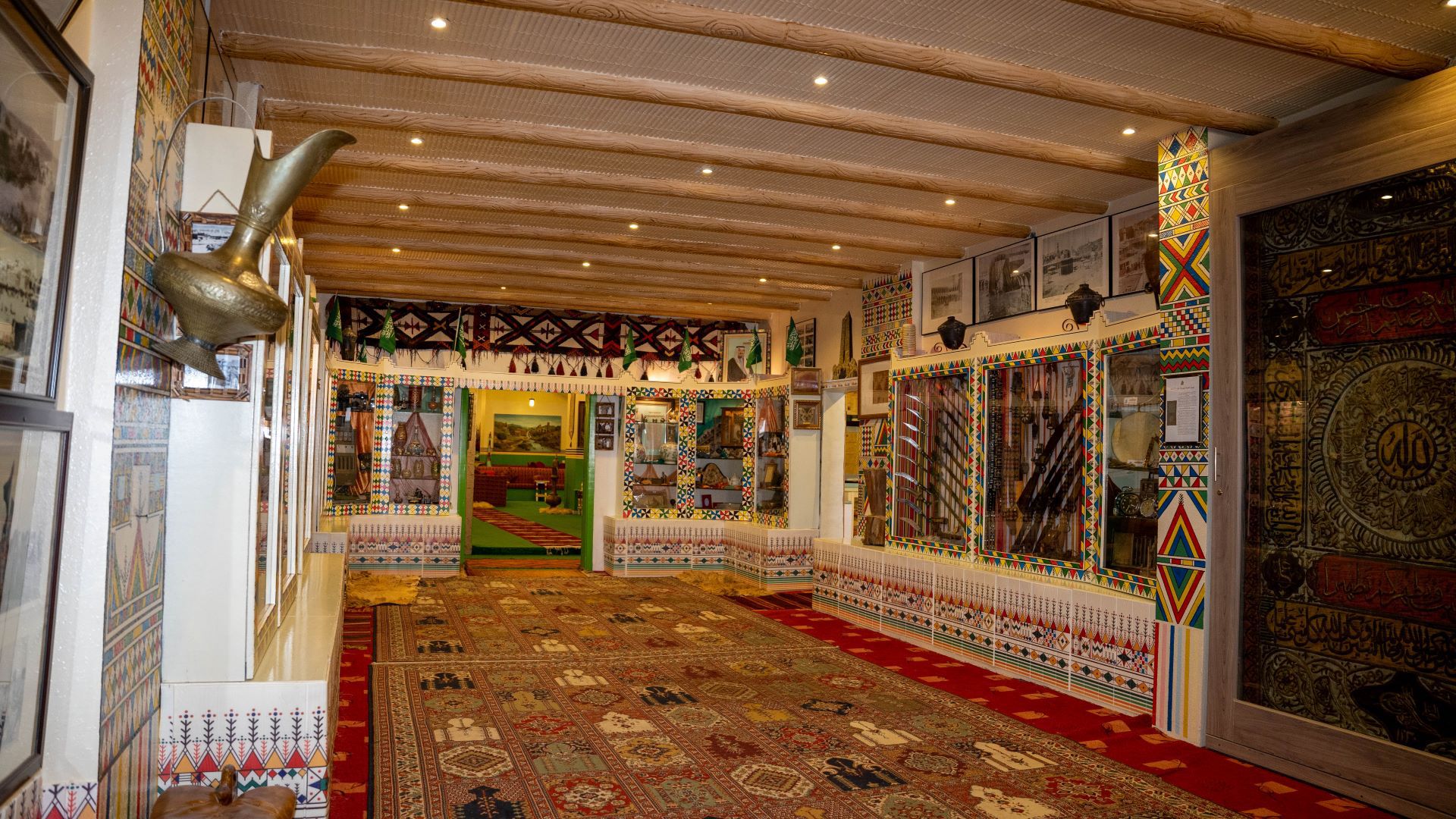
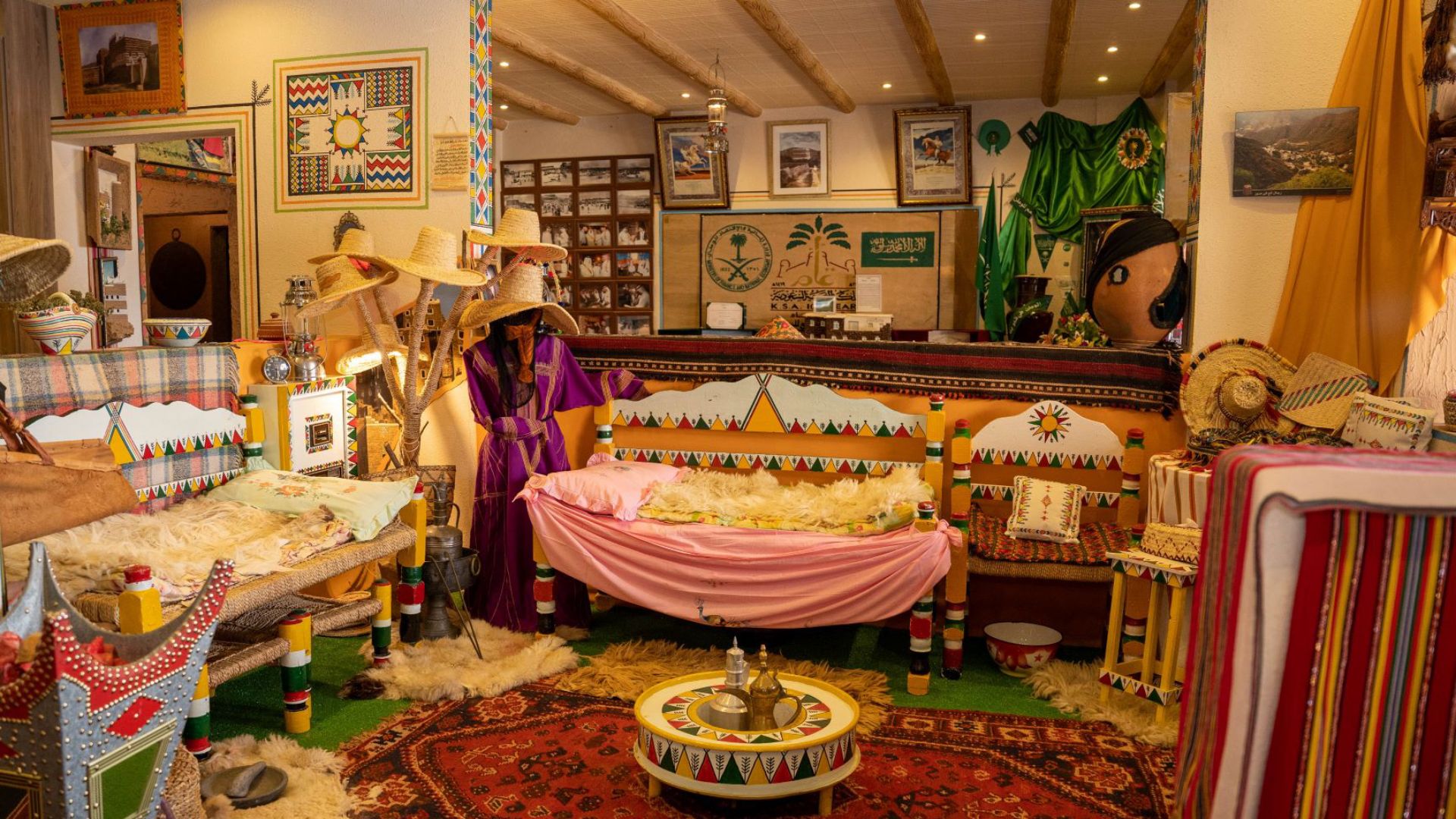
You will not only see the Aseer legacies in Alraqdi Museum, but it will also open the doors of knowledge that will take you to ancient worlds and historical anecdotes that express the history of ancient Aseer, adorned with the arts of Al-Qatt Al-Aseer made by Aseer women. The museum and its collectible items reflect the authenticity of Aseer region and its historical roots. The spirit and heritage of the region radiate through the details of its halls and the doors of juniper wood covered with the green dye extracted from the pristine nature of the Aseer region. During your museum tour, you will learn about a dictionary rich in the Southern vocabulary for the houses and ancient agricultural tools used by the locals at that time. You will also witness the aspects of the development of the Saudi coins through time under a roof that preserves the original customs and passes them through the exhibits and collectibles. You are promised to enjoy exceptional time with stories of the beauty of the Aseer woman’s heritage and her skillful touch in preparing Southern food on a table colored by the arts of Al-Qatt Al-Aseer.


Rijal Heritage Village
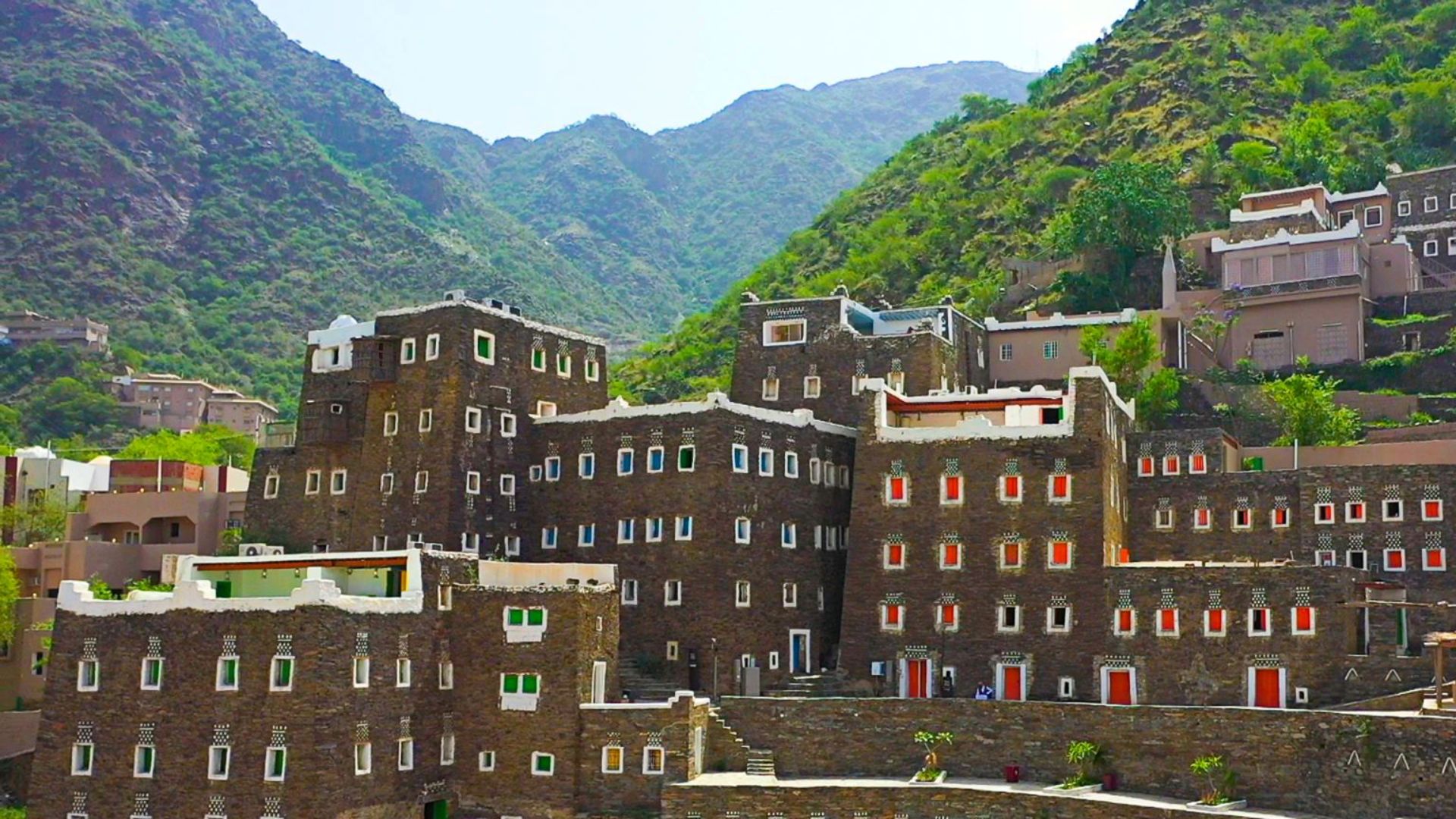
Embark on a timeless journey to Rijal Heritage Village, a gem just 45 km from Abha. This stunning village, with its vibrant stone buildings and unique architecture, showcases 700 years of history. Recognized globally as one of the best tourist villages, Rijal is a treasure trove of cultural tales and rare exhibits. Discover the village museum, which spans 20 sections filled with traditional artifacts narrating the story of its inhabitants. Enjoy breathtaking views from Al-Ous Castle and Shokan Mountain, and indulge in the local delight of authentic Al-Ami honey at the Honey Hut. The scenic drive via Aqabat Al-Samma, connecting Abha to Rijal Almaa, adds to the unique charm of your visit. Every corner of Rijal Heritage Village whispers stories of the past, promising an enriching and unforgettable experience. The ancient remains and folk tales, hidden inside the unique architectural designs of Rijal Almaa village, which have been echoing for more than 700 years, are historical evidence that attest for its early civilization. Its tall stone-built buildings were made using Basalt rocks, which gave them their strength and durability to last through time. The white Quartz stone is found extensively on the outer walls, while the interior is embellished with magnificently made artwork. The architecture of Rijal Almaa’s was not based solely on aesthetics. Rather, it had a social humanitarian significance in its designs, where family members shared multiple- floors- buildings. Thus, this reflects its social values of this area. A brief overview of the social and personal life is seen in the house of a man from Almaa who turned it into Rijal Almaa village museum. This museum consists of 20 sections and showcases traditional pieces, old manuscripts, and ancient farming, construction, and transportation tools. Qasabat Al-Owus Tower is considered a historical monument with the highest view of the magnificent landscape. Shaokan mountain, named after the abundant prickly pear trees who choose it as their natural habitat. One of the main attractions in Rijal Almaa village is a rural cottage made from the local natural elements found in the mountains called Honey Cottage. You can sit down on its rustic seats and enjoy an exclusive experience of tasting Rijal Almaa’s authentic honey varieties. Rijal Almaa is reachable by road via Aqabat Sama, which connects Abha with Rijal Almaa village.



Almuftaha Village
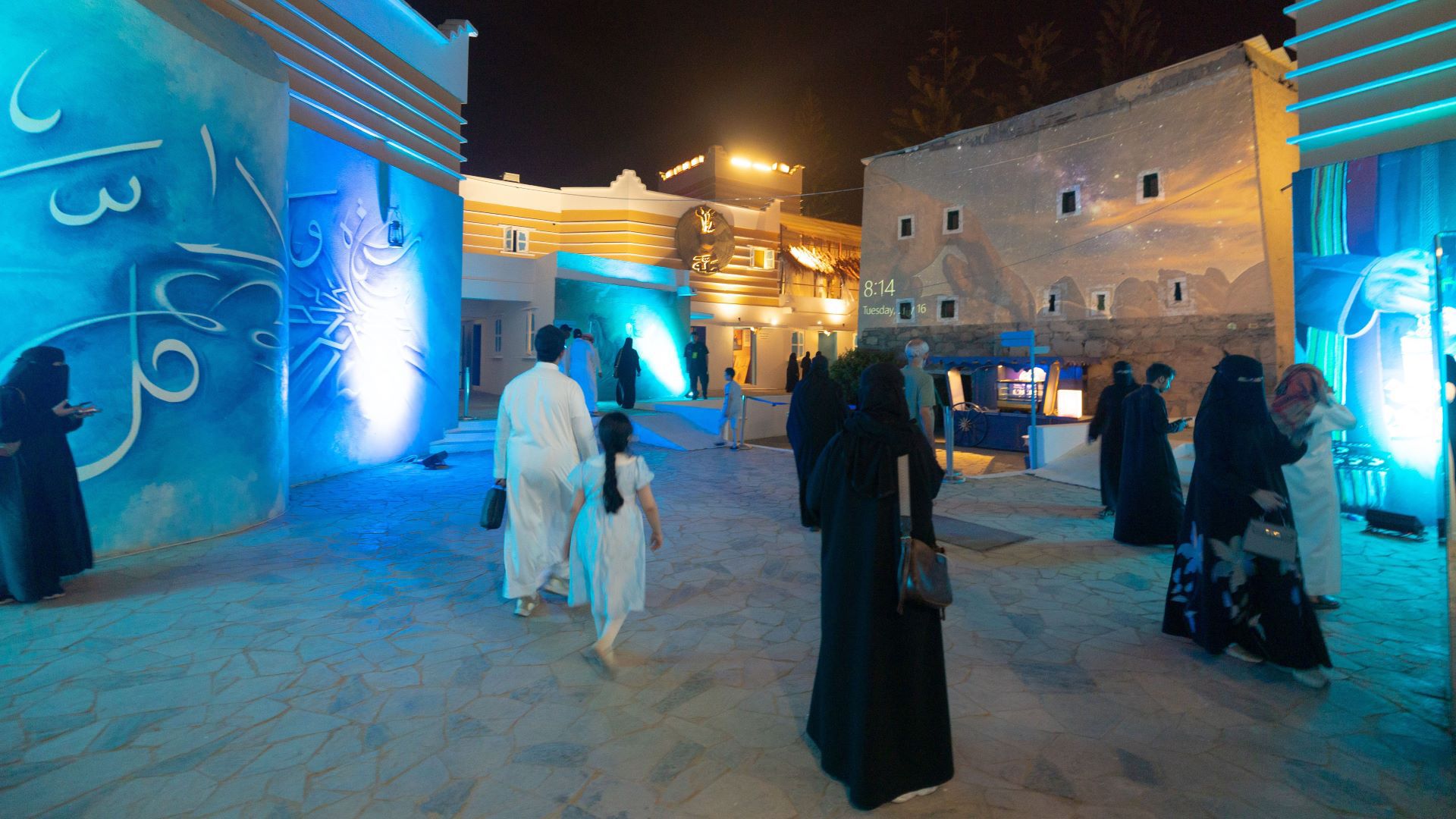
Explore Almuftaha Village in Abha, known for its traditional mud buildings and rich Aseer heritage. The village features the King Fahd Cultural Center, Almuftaha Palace Museum, and numerous shops selling honey, antiques, and local delicacies, all within a charming traditional setting. Throughout different seasons, the village comes alive with various events, enhancing its vibrant cultural atmosphere.

Al Basta District
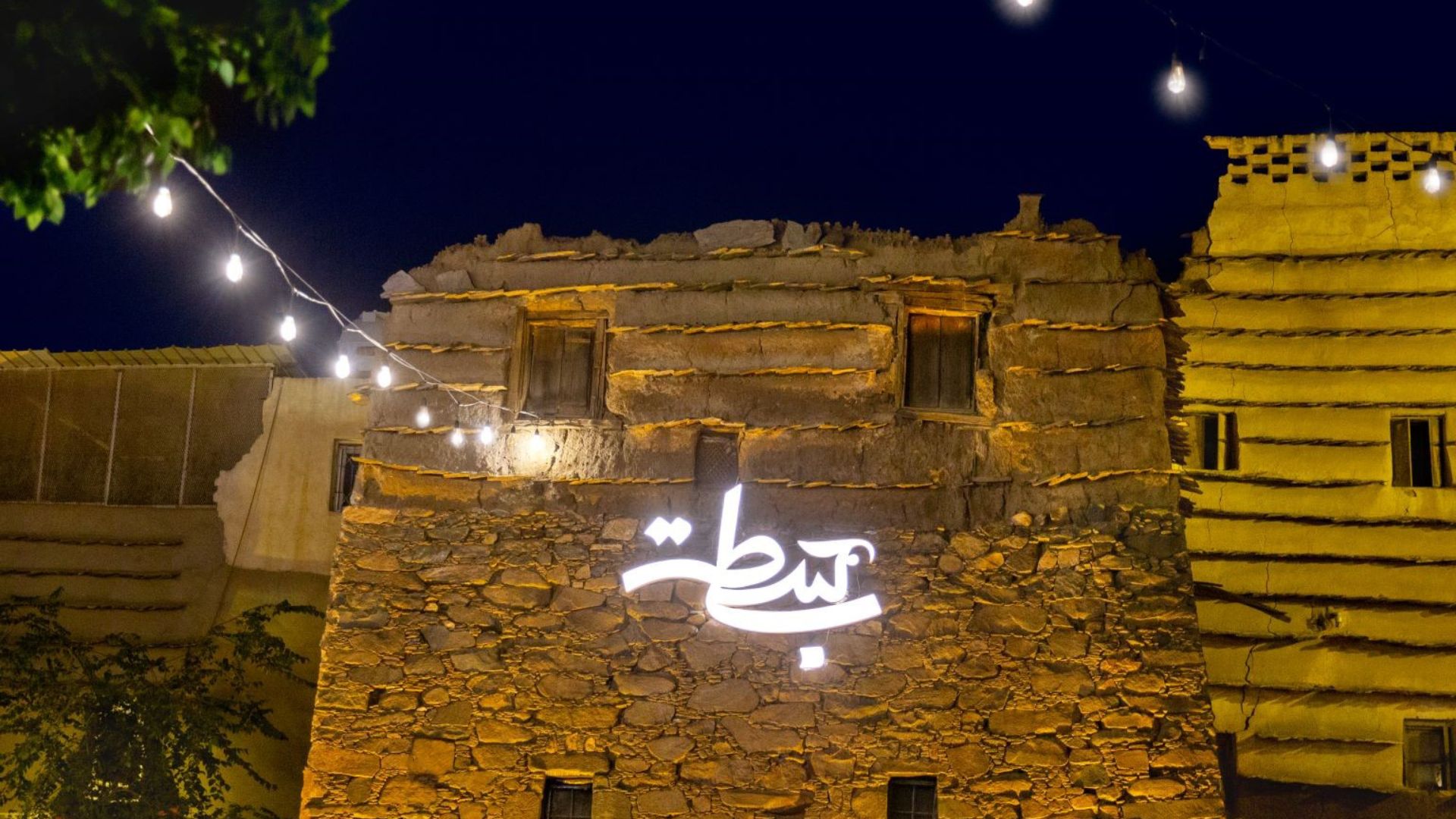
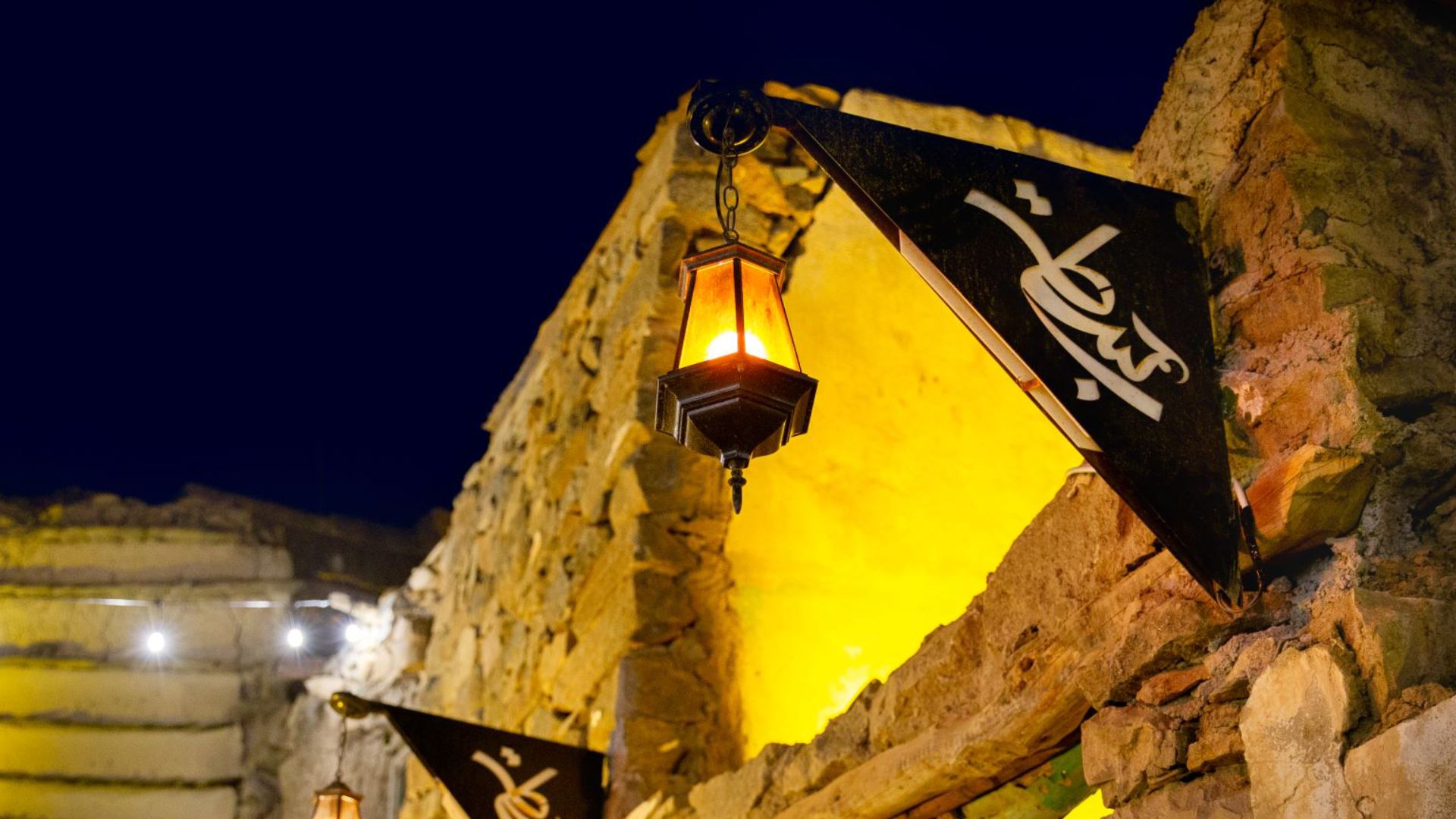
Al Basta District is one of the oldest residential areas in Abha, featuring historical buildings and ancient architecture. It is renowned for its traditional old town market with various vendors serving street food, concept stores, and souvenir shops. The district's open square creates a lively social atmosphere perfect for spending quality time with family and friends. Don't miss the chance to learn about the stories of the Aseer community up close.
Al-Mushait Palaces
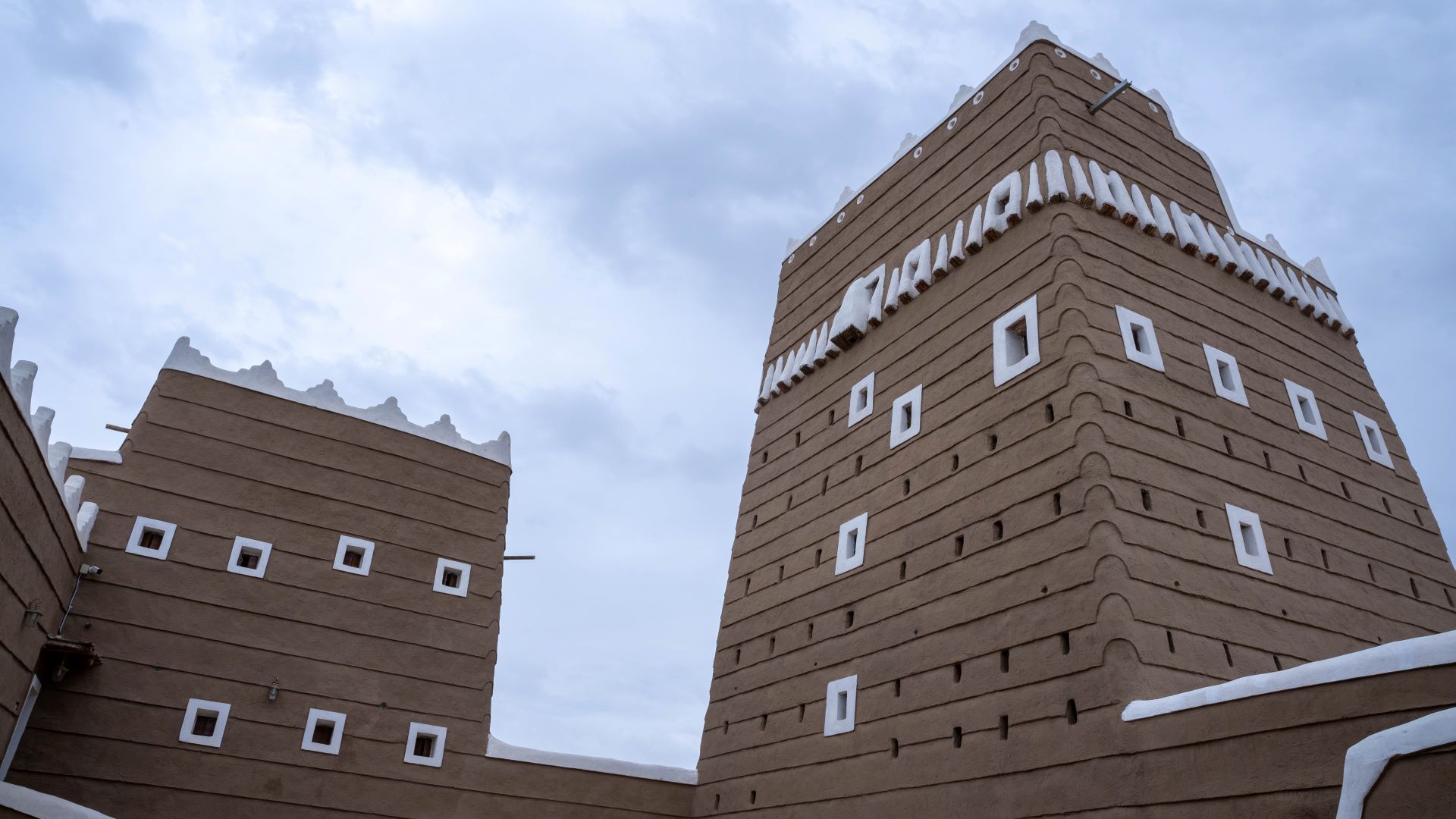
Al-Mushait Palaces are located in the South of Khamis Mushait. Their square shape and the materials used for their construction showcase the expertise of the people of the region and their way of benefitting from their virgin nature. That is because it is the most capable of enduring the weather and due to their abundance at the time. The oldest palace of Al-Mushait Palaces is Mishref Palace, which reflects a time period of more than 150 years. It was built by its owner, Abdulaziz bin Hussein bin Mushait, in the Al-Nozha District. The element of mud stands out as an essential component of construction. The palaces consist of a number of buildings surrounded by a wall made from mud. Horizontal belts at the top of the palaces give them an aesthetically-pleasing dimension. Your eyes will be drawn to the white frames of its windows and doors, which create a regular rhythm that welcomes its visitors. Al-Mushait Palaces bear a memory that documents the region’s history. It witnessed the reception of a number of Saudi kings and princes, and hosted many important figures.
AlUla Old Town Village
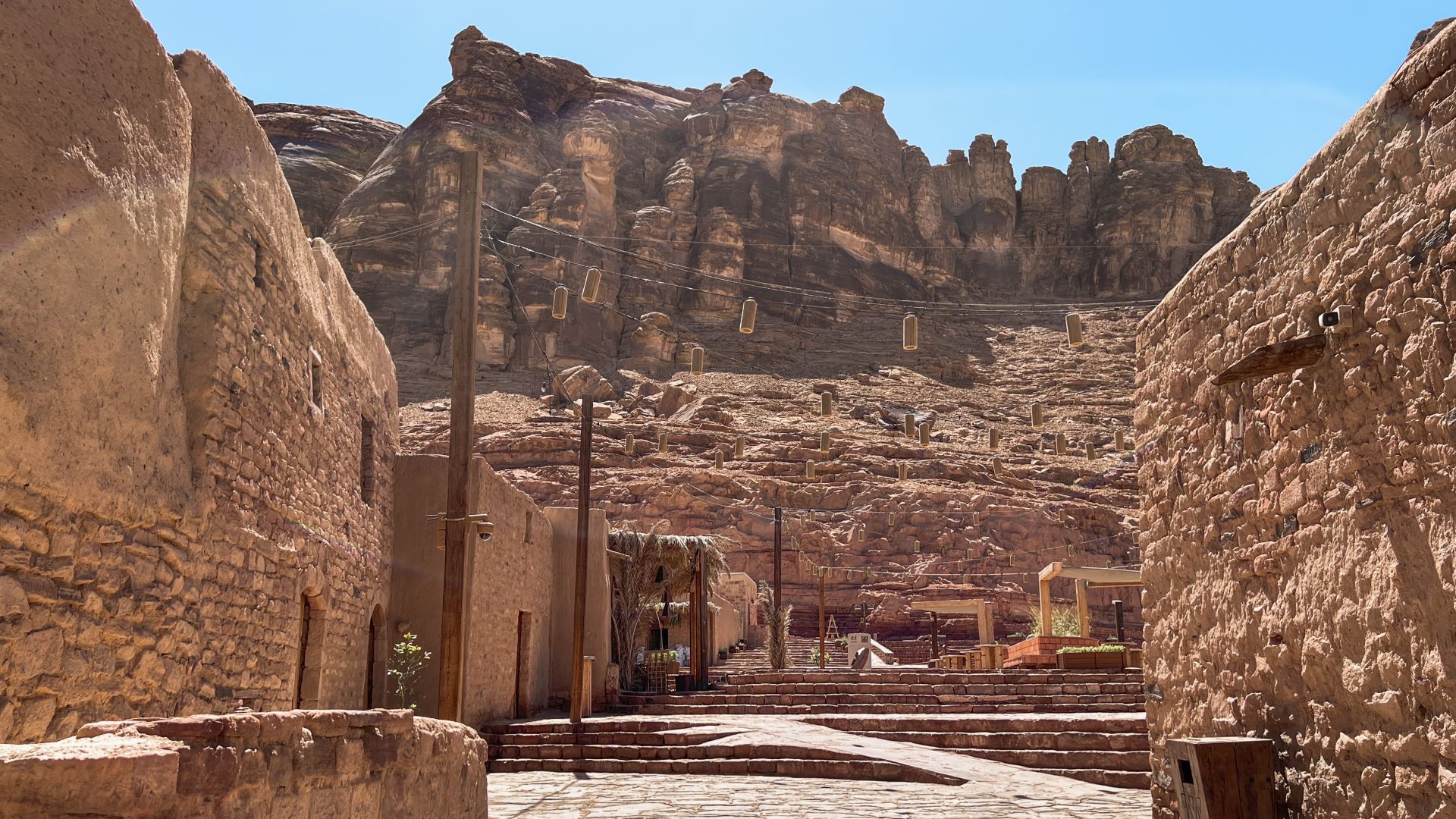
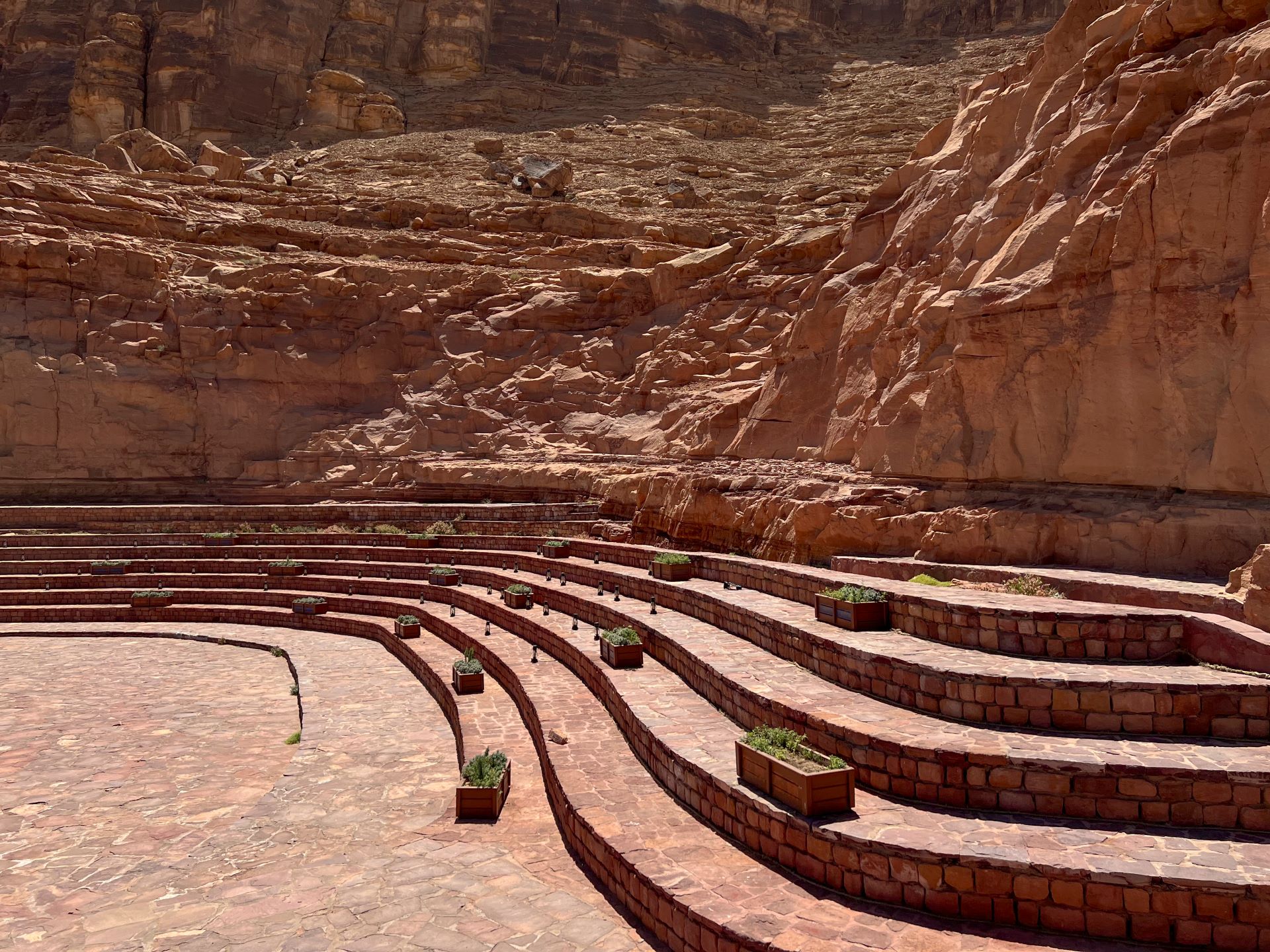
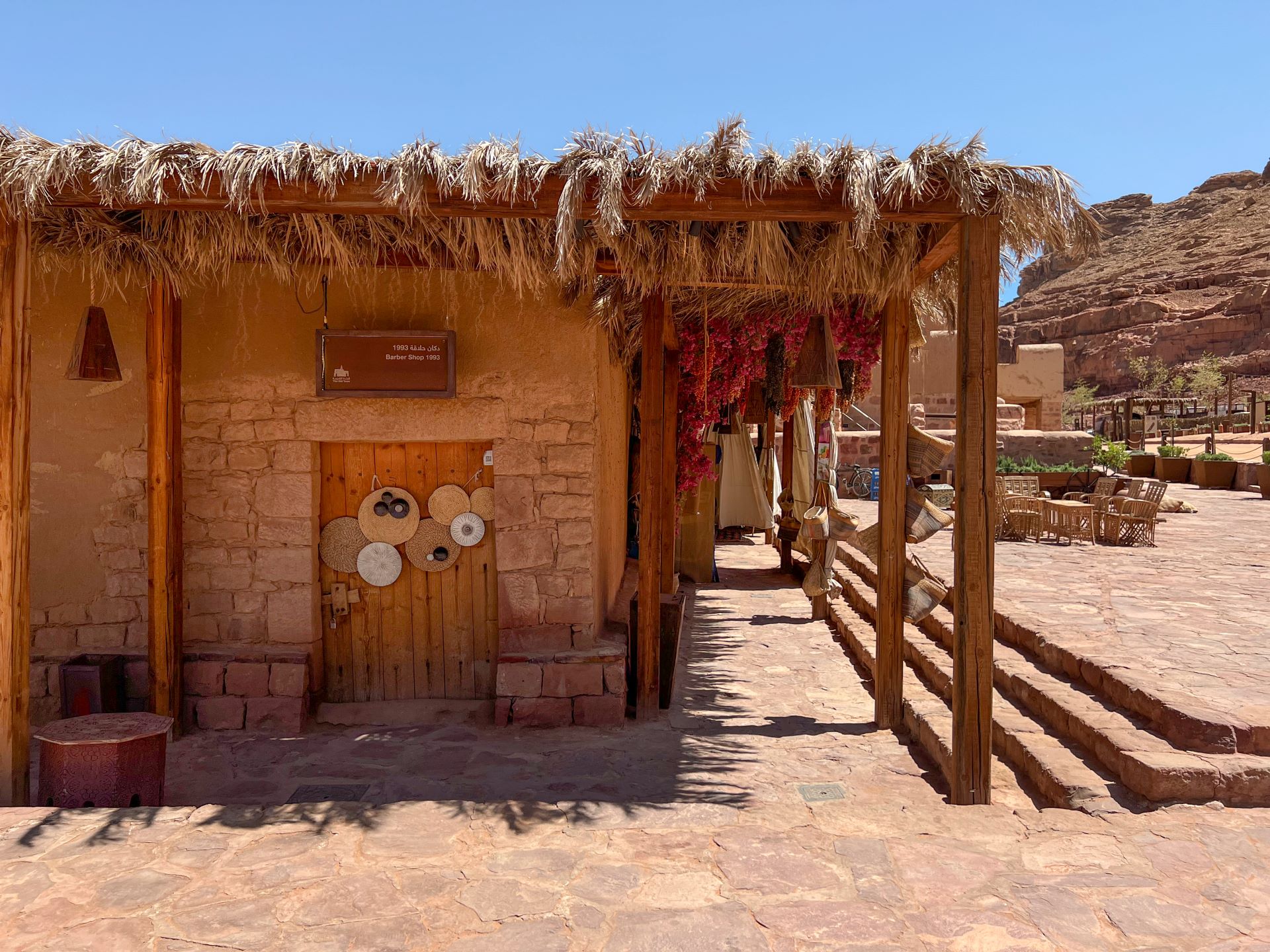
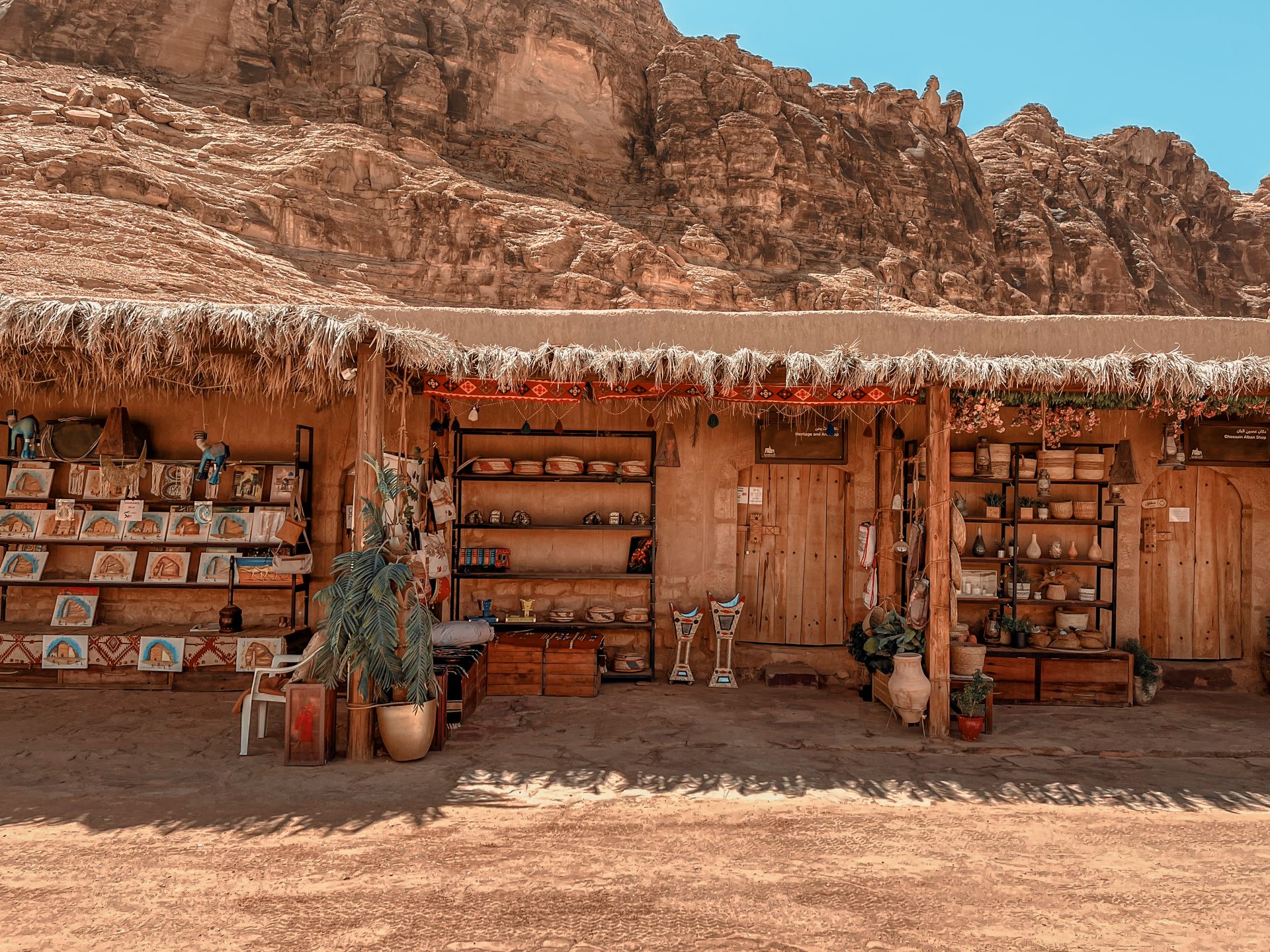
A crossroads of civilisations and oasis city on incense-trading routes, people have inhabited AlUla for thousands of years. By preserving its rich heritage and continuing to flourish as a rural tourist destination, it has been awarded Best Tourism Village by the United Nations World Tourism Organization. Today, AlUla Old Town Village encompasses its ancient Old Town, the lush Oasis and the AlJadidah Arts District. Inhabited until the not-so-distant past, AlUla's Old Town is a labyrinth of tightly packed streets lined with mudbrick houses, shops and squares. Above it all, a 10th-century fort still watches over the town and its scenic desert valley. Ancient civilisations were built around the Oasis for millennia. Today it remains a lush and fertile plain with sustainable farming at its core, together with some idyllic walking trails and a fine collection of cafes and restaurants. The AlJadidah Arts District is a vibrant hub of creativity and culture located a short walk from the Old Town. Easily strollable streets are scattered with artworks, as well as being home to a wide variety of shops, restaurants, and art galleries. AlUla has been awarded title of Best Tourism Village by the United Nations World Tourism Organization. Assessed by an independent advisory board, the prestigious award recognises outstanding examples of rural tourism which boast rich cultural and natural assets while displaying an exceptional commitment to sustainability.

Dadan and Jabal Ikmah
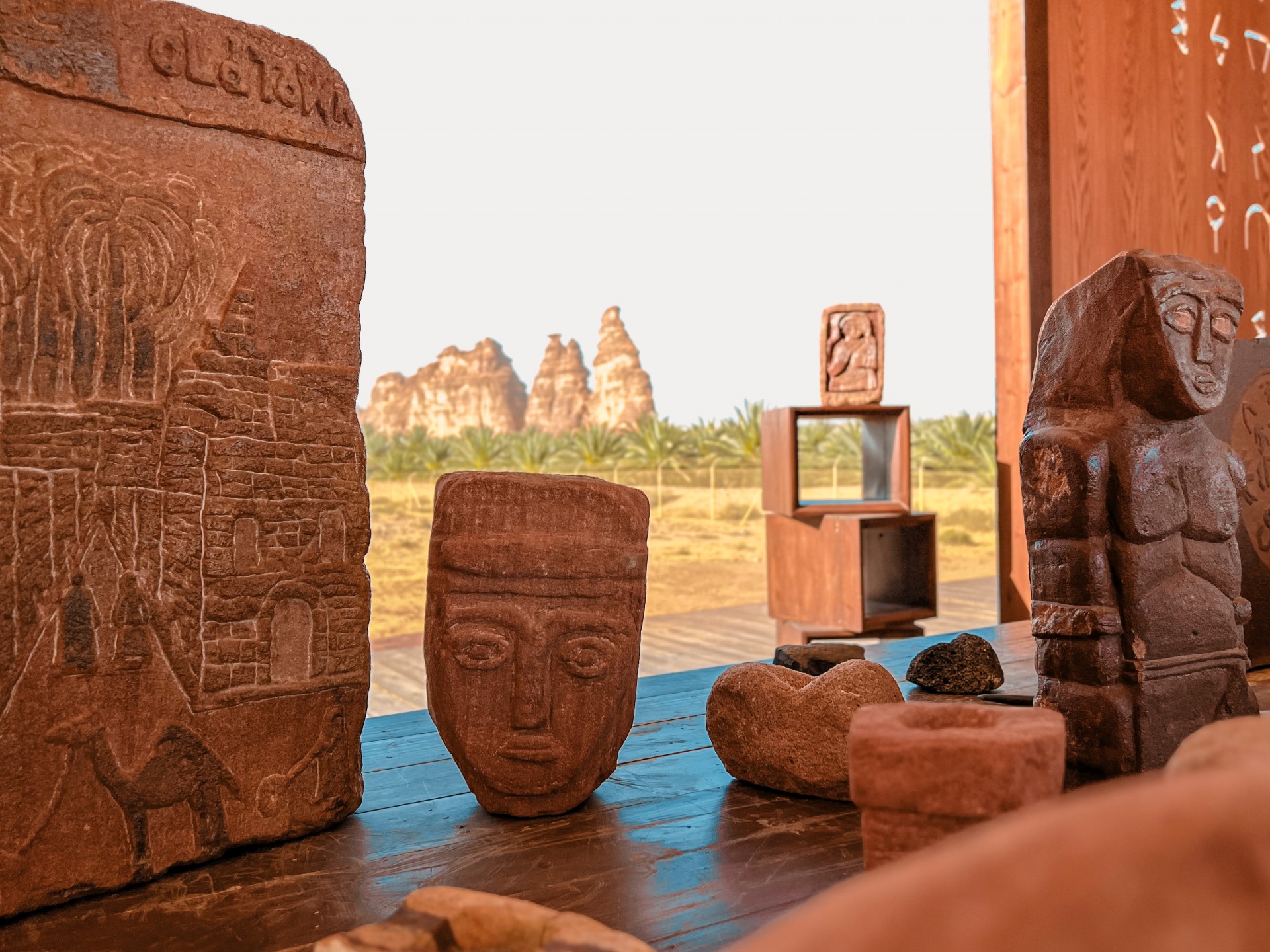
Embark on a historic journey in AlUla and uncover the ancient sites of Dadan and Jabal Ikmah. These two heritage sites are significant archaeological marvels that captivate the world even now. Explore the over 2,000-year-old tombs of Dadan, skillfully etched into red rock cliffs. These tombs, a testament to an era long past, offer a glimpse into the lives and artistry of ancient civilisations. Archaeologists continue to decode the mysteries of these magnificent tombs and inscriptions, some astonishingly built 50 metres above ground, revealing stories of trade, agriculture, and craftsmanship. Inducted into UNESCO's Memory of the World Register, Jabal Ikmah features more than 300 historically significant carved inscriptions. This spectacular mountain contains the largest concentration of Dadanitic and Lihyanite inscriptions in the world. Dadan and Jabal Ikmah stand as enduring symbols of Arabia's rich heritage. These sites offer a profound connection to the past, inviting you to experience a narrative etched in stone, echoing through millennia.
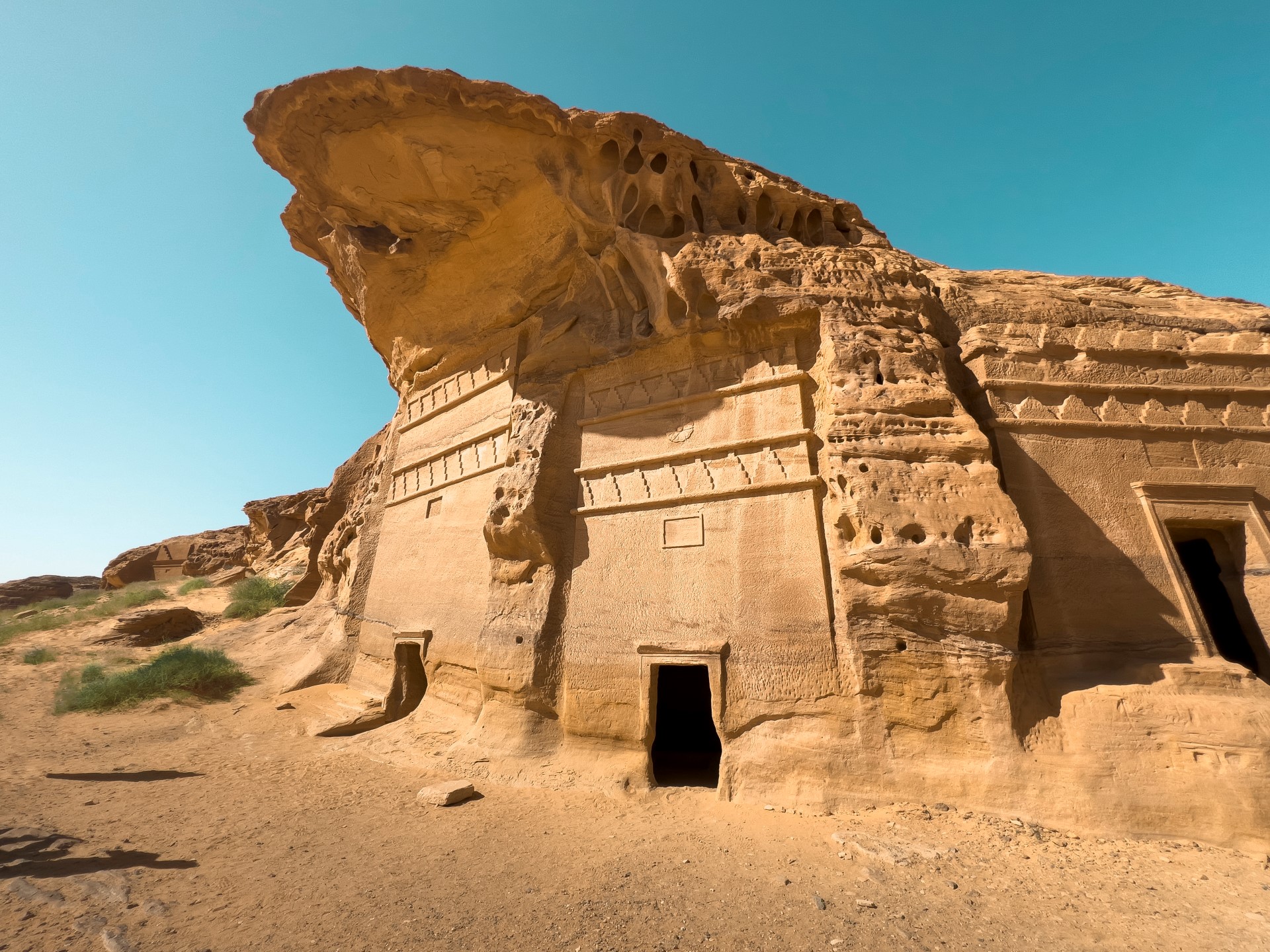
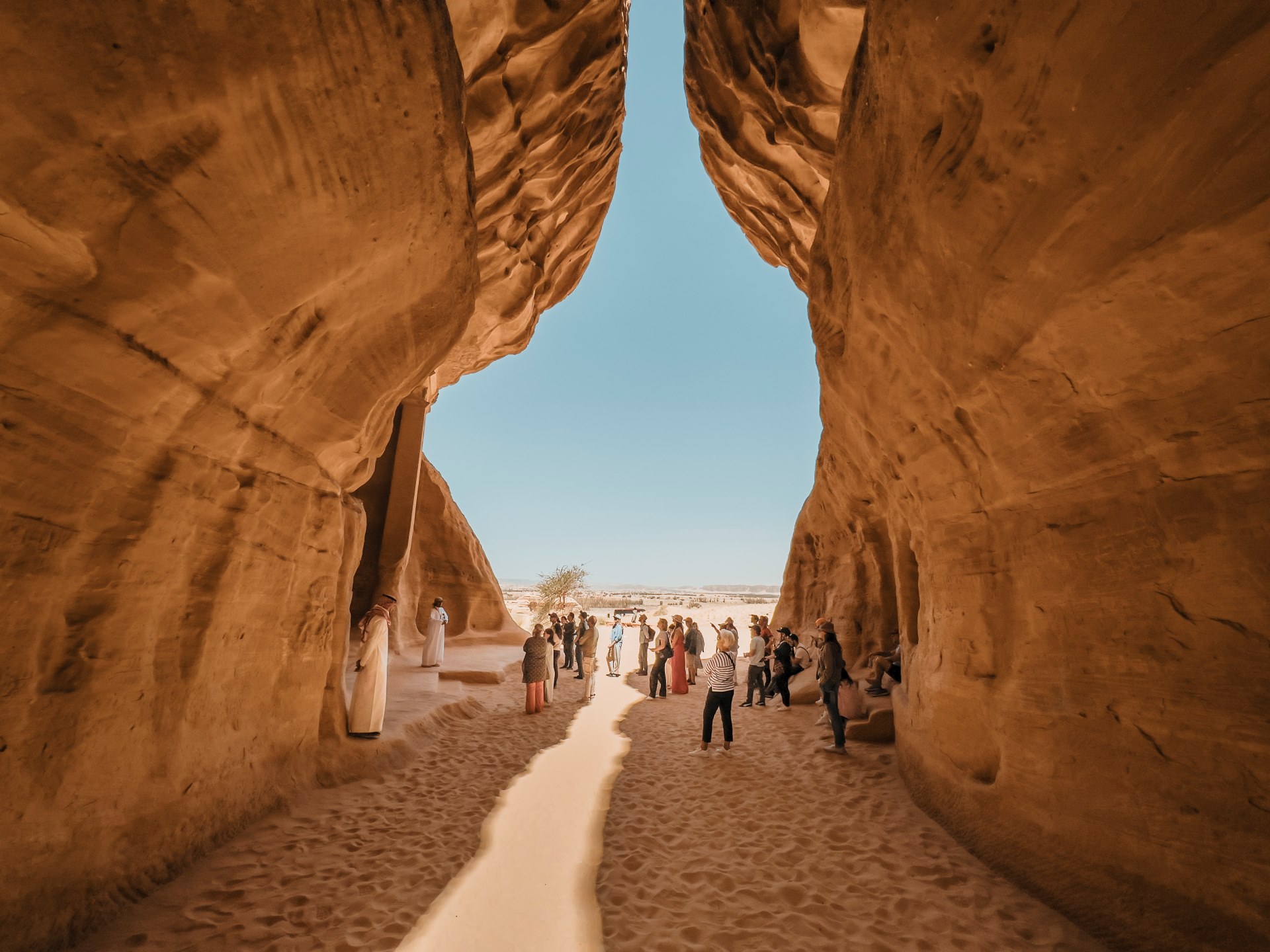
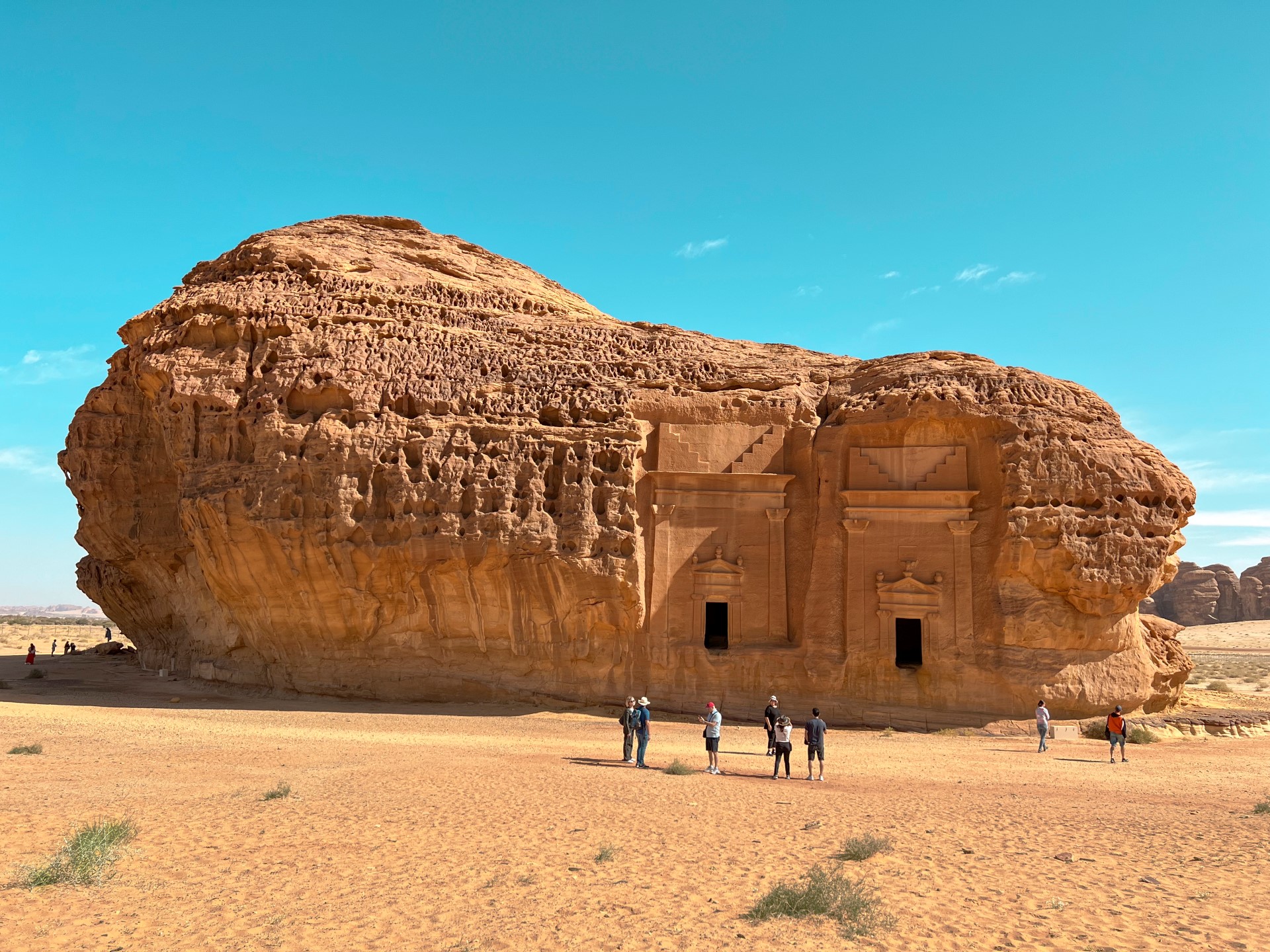
Preserved tombs and ancient wonders at Hegra
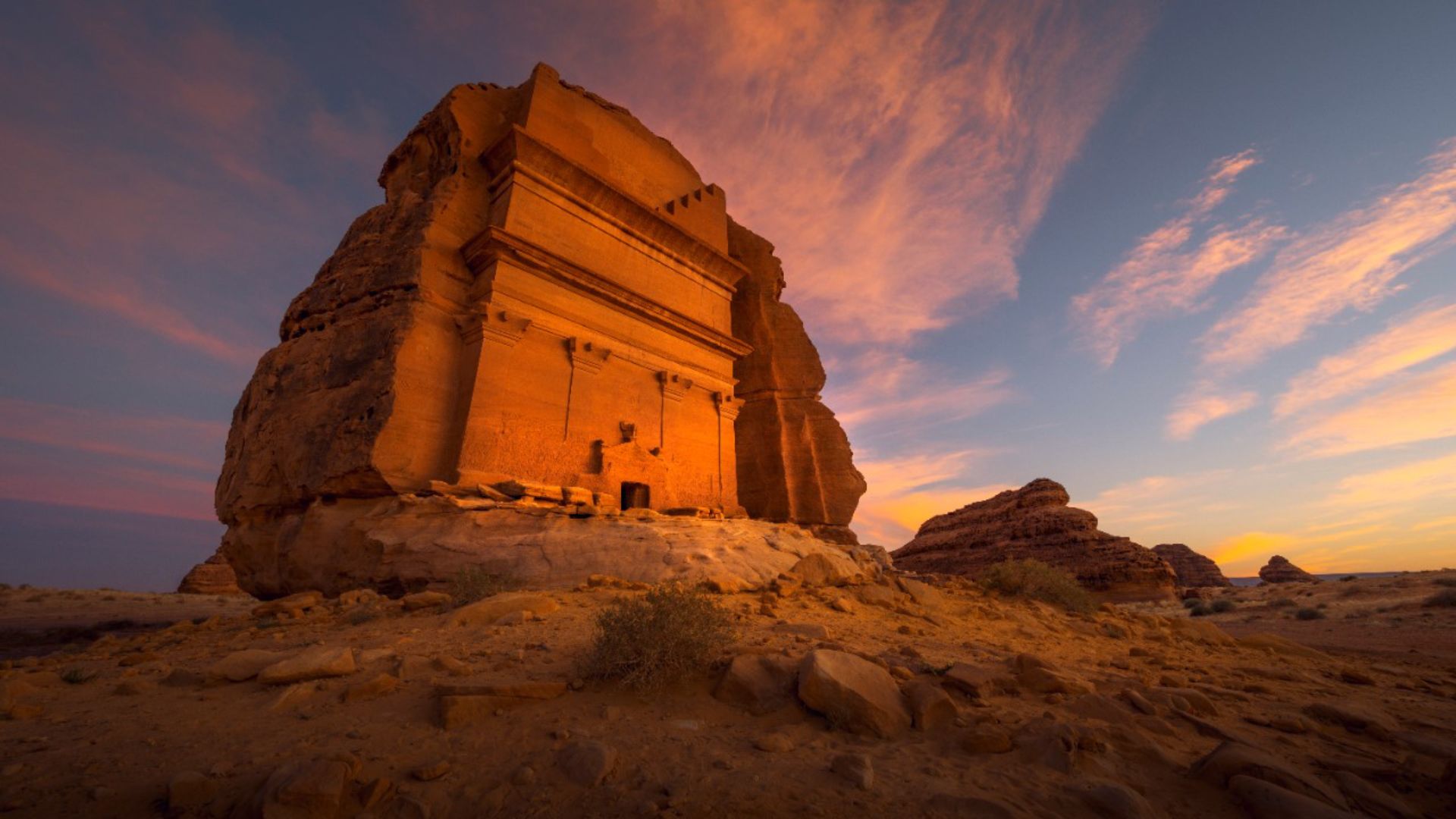
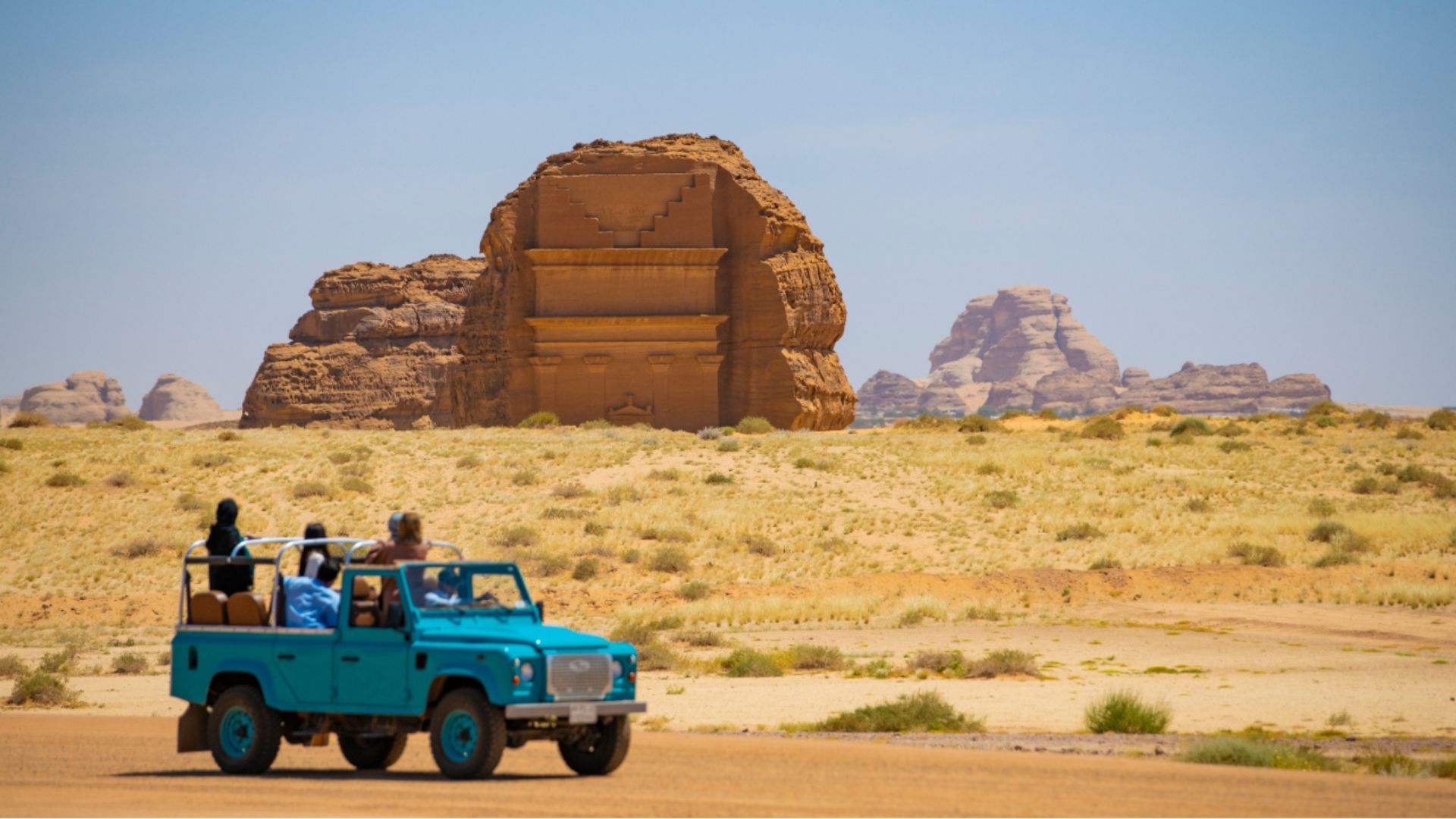
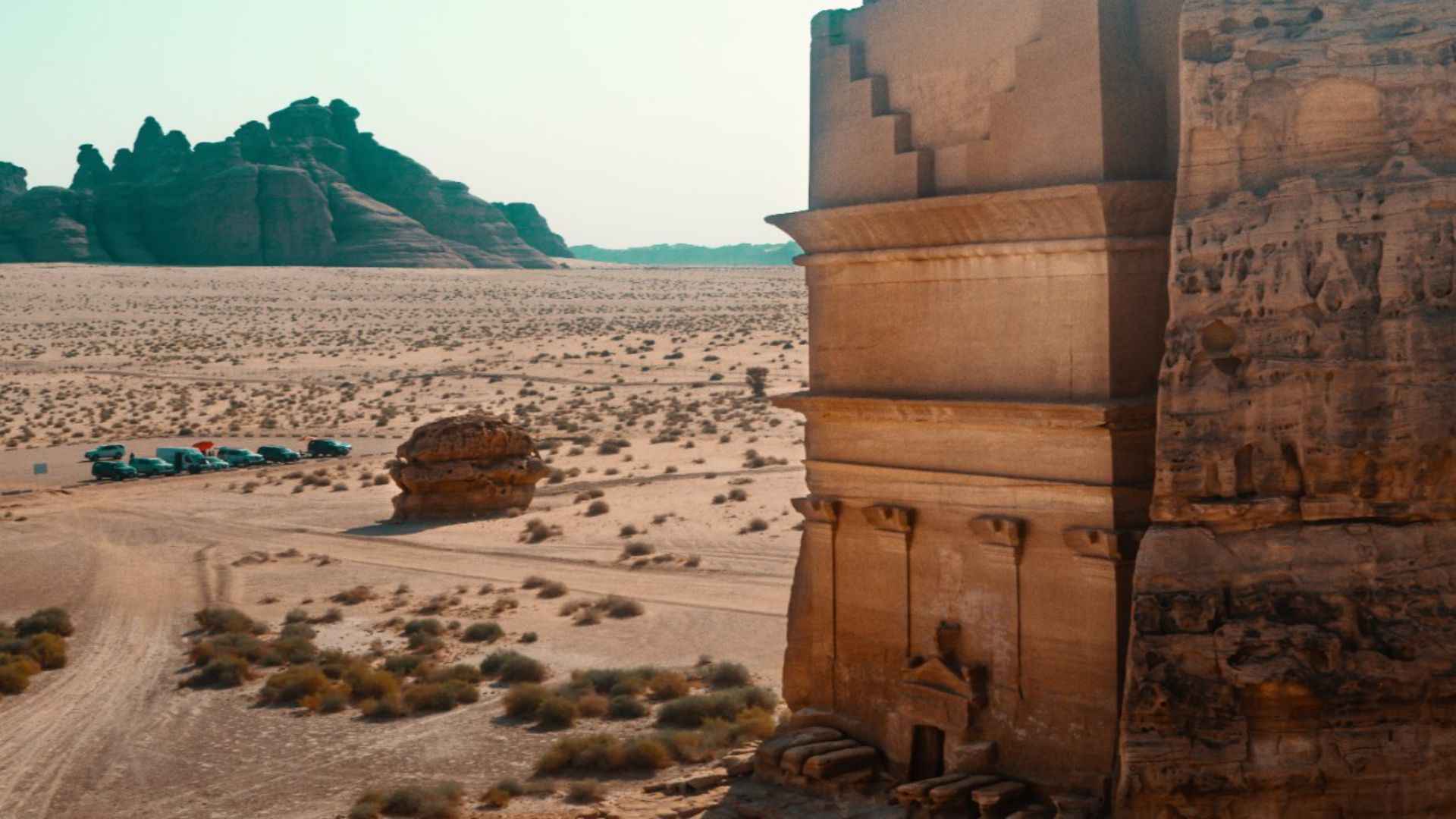
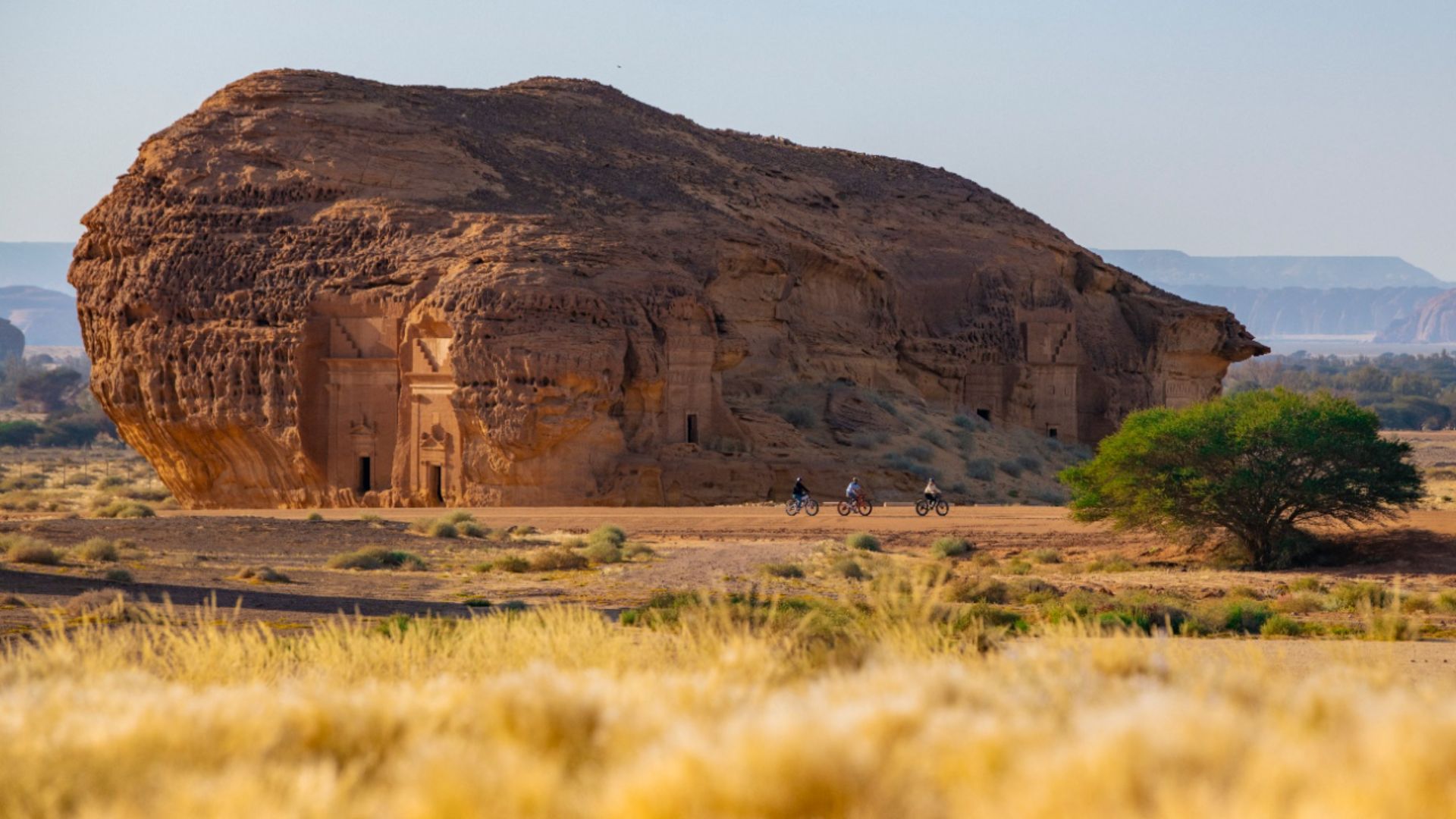
Saudi Arabia's first UNESCO World Heritage Site, Hegra reveals the fascinating Nabataean history with over 110 preserved tombs and ancient wonders. It offers a captivating glimpse into AlUla's rich heritage, making it an essential destination for anyone exploring AlUla. Hegra's largest tomb, measuring about 72 feet tall, was left unfinished, with rough, unsmoothed chisel marks skirting its lower third. One of the largest tomb clusters in Hegra, Jabal Banat has 29 tombs skillfully carved into sandstone rock. The name refers to the number of tombs owned or commissioned by or for women. Jabal Ithlib is a natural mountain outcrop set east of Hegra featuring a picturesque passageway through the mountains and a venue for both banquets and meetings between city leaders. Home to 18 unique tombs, this site was recently excavated. The name Jabal Ahmar refers to the unique red colour of the rocks structuring the tombs. The best way to explore the ancient city of Hegra is by joining an organised tour, either in a private vintage Land Rover or on a coach. These tours include visits to various tombs within the site complex and start from 95, with a duration of approximately two hours. Self-driving is not allowed.

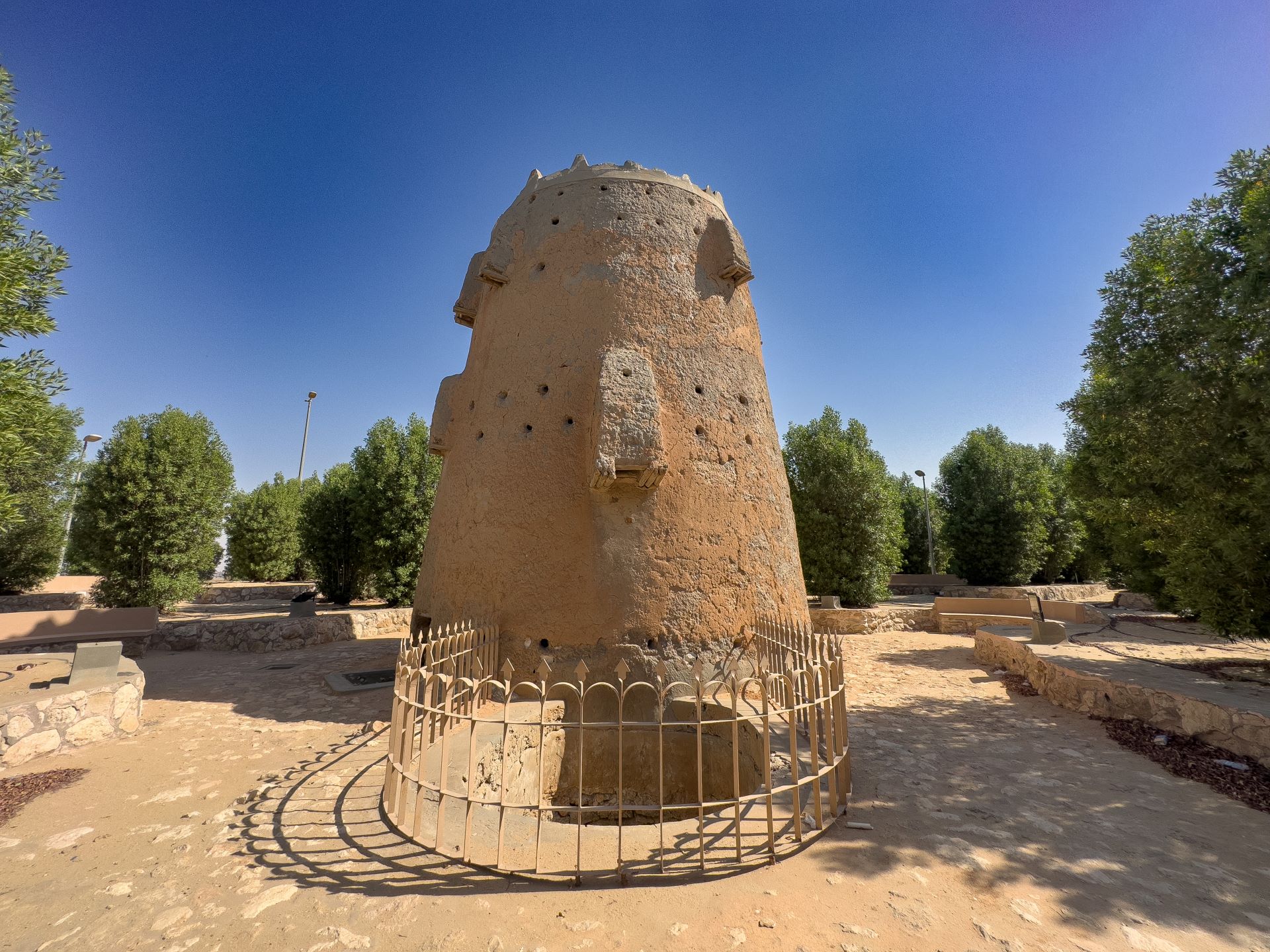
Crease Archaeological Tower
Crease Tower is a mud tower that tells the story of glory preserved in the memory of history. It is located in the western part of Al Jubail in the Eastern Region of Saudi Arabia. It was built by order of the founder King Abdulaziz bin Abdulrahman Al Saud in 1928, coinciding with the period of the emergence of the city of Al Jubail at that time. The tower is considered a historical legacy and an important landmark in the region, visited by tourists, antiquities enthusiasts, and history lovers. The reason for building the tower was to protect the well located next to it, called Crease Well, as well as to protect the coastal cities and villages, especially after the Battle of Siblah. The tower is a shining icon of the unification of the Kingdom and the annexation of Al Jubail in it. It is an ancient tower designed in the style of old Najdi architecture, built of stones and mud, estimated to be about 12 meters high and about 9 meters in diameter, and consists of three floors. Its thick wall includes several holes to enable guards to shoot and defend against any external attack or aggression. The tower was named after the area’s name before the existence of the well and the tower, which means sandstorms in the local dialect of the region, and which were prevalent in that area.


Al Malad Castle (Twin Fortresses)
Al Malad Castle, aka Twin Fortresses, is a prominent feature of the heritage of Al-Baha Province. It is a twin fortress located in the historic village of Al Malad, atop a hill that lies on the commercial road leading to Aseer. This castle is made of two fortresses built by two brothers four centuries ago for military purposes and used as storage for food supplies, accompanied by a building that witnessed many events, as several peace agreements were signed between tribes there. The castle was built about 100 meters above the level of the valley, with a small space of no more than 120 cm separating the fortresses. They are identical in size, shape, and interior design, with the only difference being their location - one to the north and the other to the south. The northern fortress is located in the courtyard of a house, while the southern fortress is located in the courtyard of a two-story house, with two doors - one facing south, and the other facing north.The fortress itself consists of four floors.

Bin Raqoush Palace
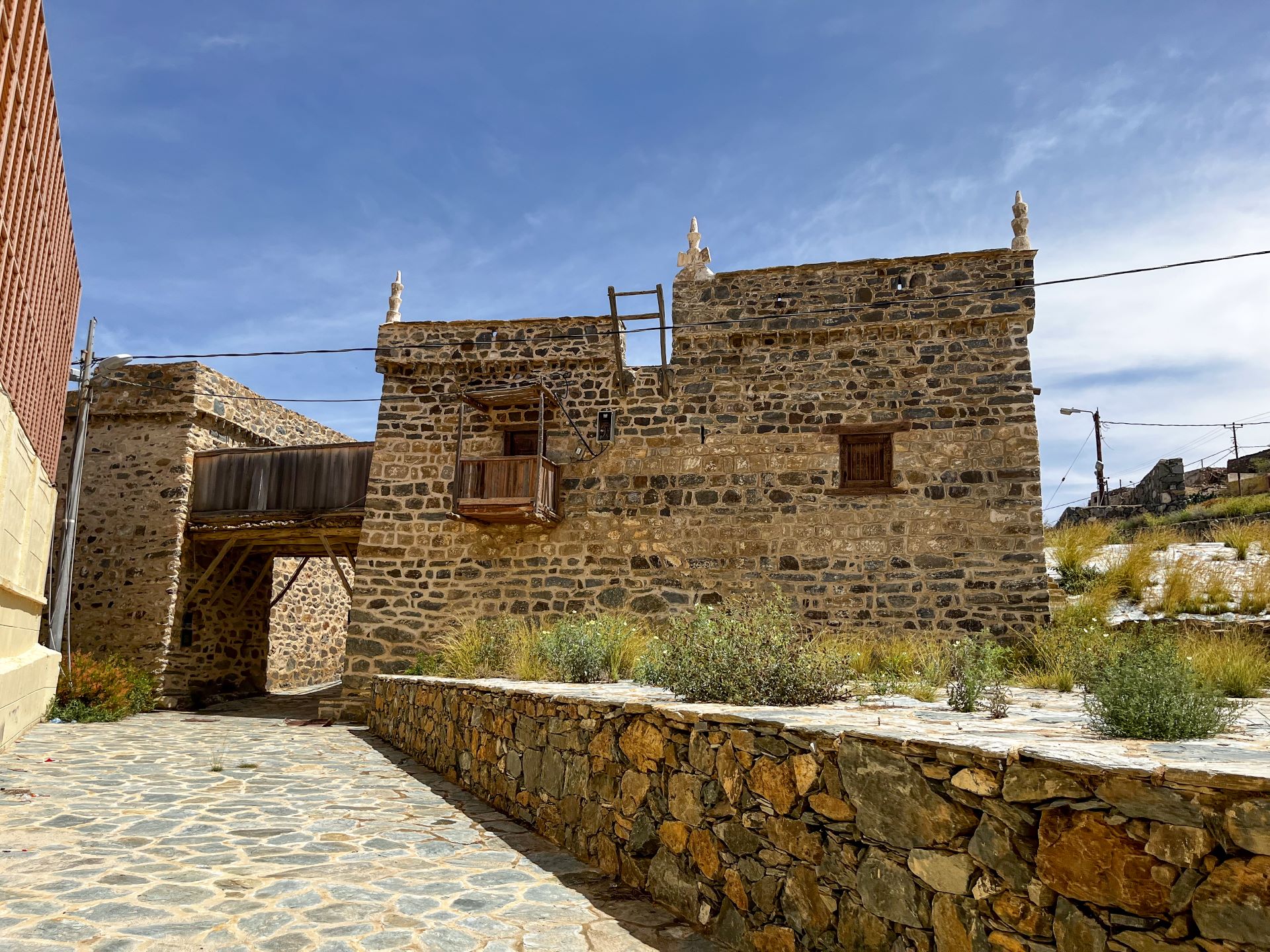
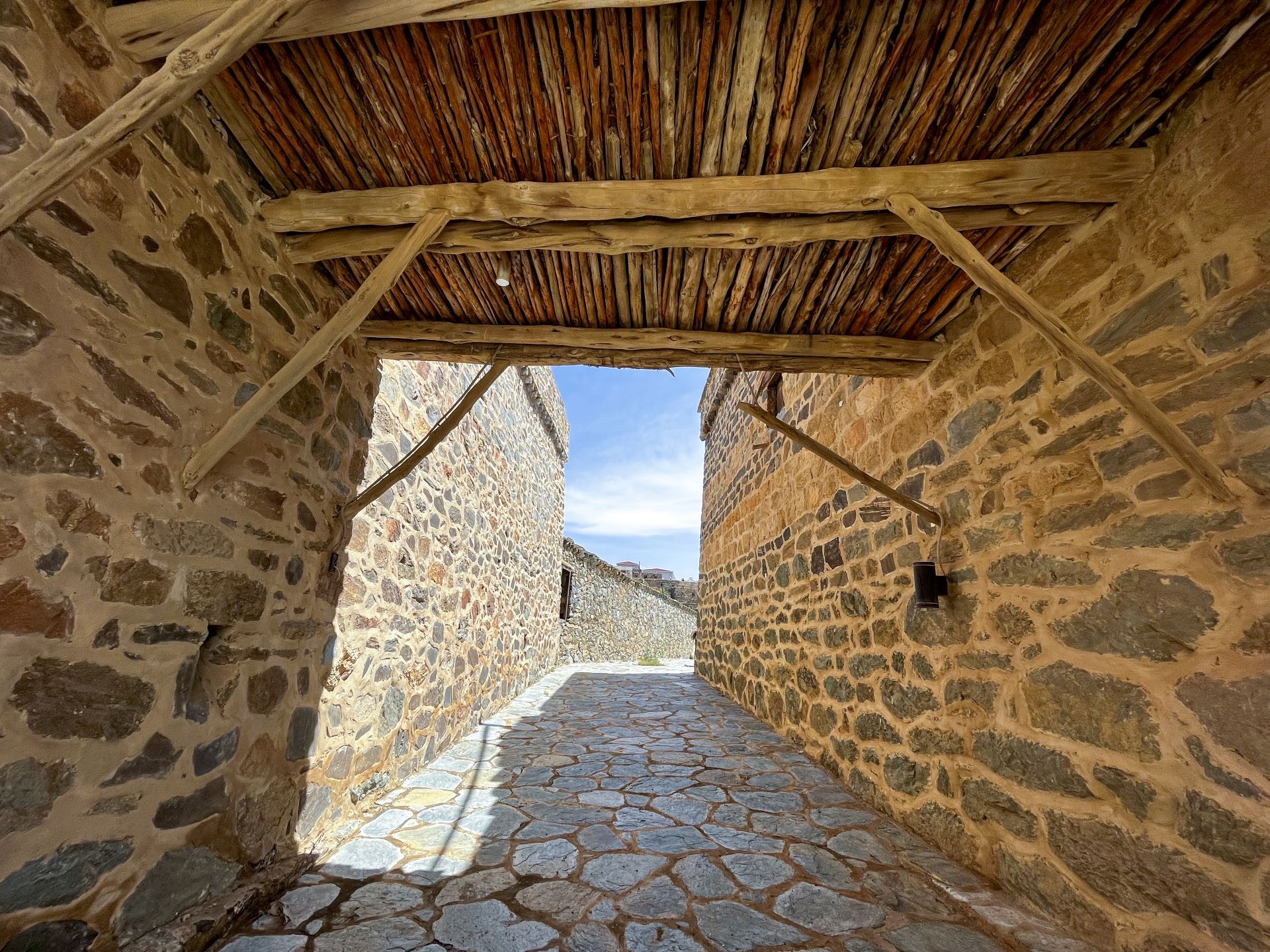
On the slope of a towering hill in the village of Bani Saar, north of Al-Baha city, lies the historical Palace of Bin Raqoush. Its construction dates back to 1834 and it was considered a complete residential system consisting of several family homes and guesthouses headed by the 'Zahran' council. The palace has been a prominent landmark in Al-Baha Province since its inception in 1834. Its construction took place in two stages: the first stage included the construction of the maritime house containing a council, a weapons depot, a library, supply stores, sleeping quarters, family sitting rooms, a Damascene house, a mosque, a main kitchen, servant quarters, and a water well. The second stage began in 1939 and included the construction of the Eastern or Guesthouse, the Middle House, and the Reform House, completing the fully-serviced palace and forming a fortress for the tribes and their inhabitants at that time. A visit to the palace allows you to explore an authentic heritage of historical stories from every aspect. It houses a rich history of protecting the region with highly fortified geometric angles and conveys methods that were adopted in hospitality, lodging, and education in its rooms and councils. It also includes a courtyard designed for seasonal celebrations with a unique Southern type.