Tourist Attractions
Explore the most beautiful tourist attractions in the Kingdom of Saudi Arabia
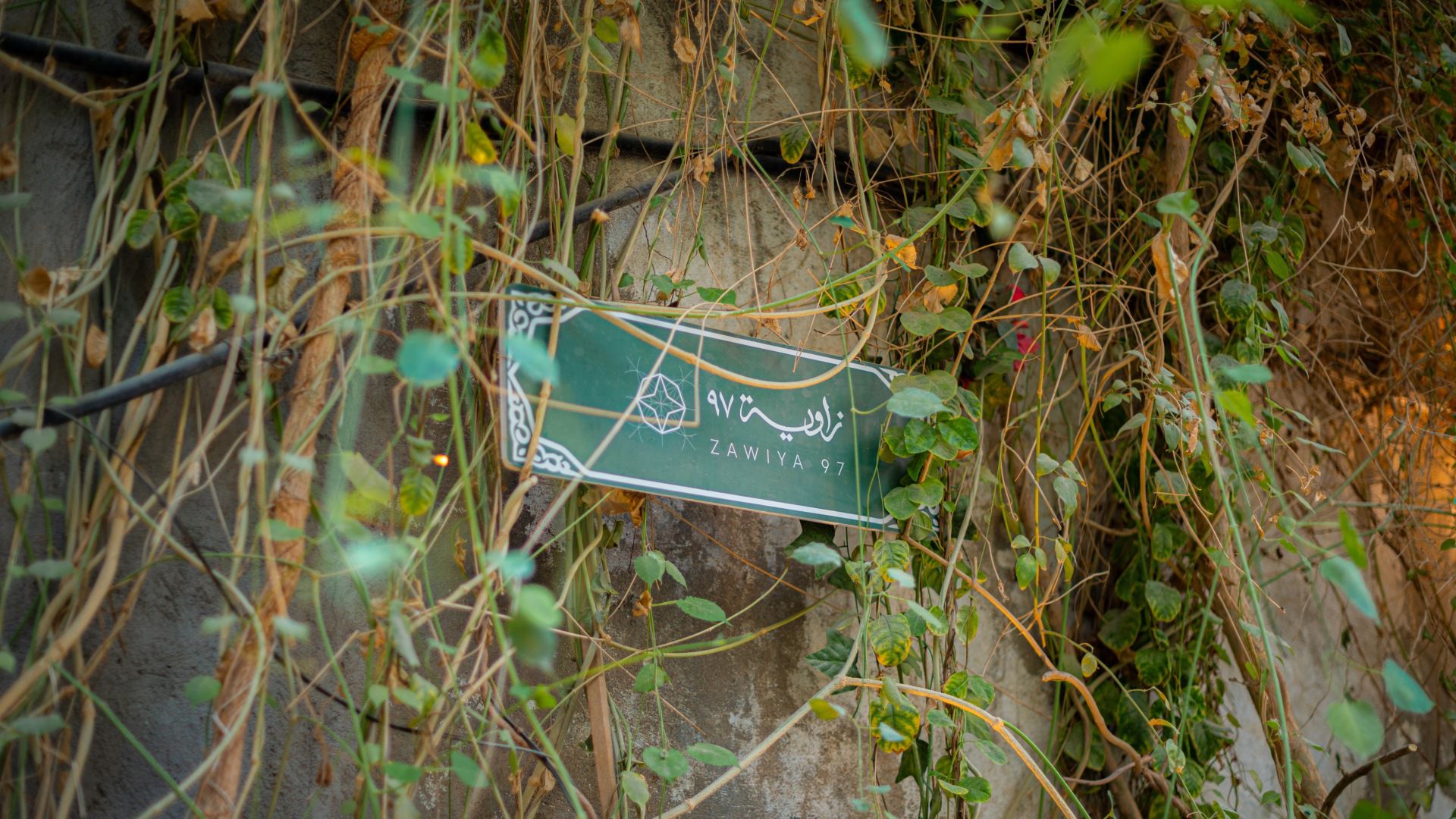
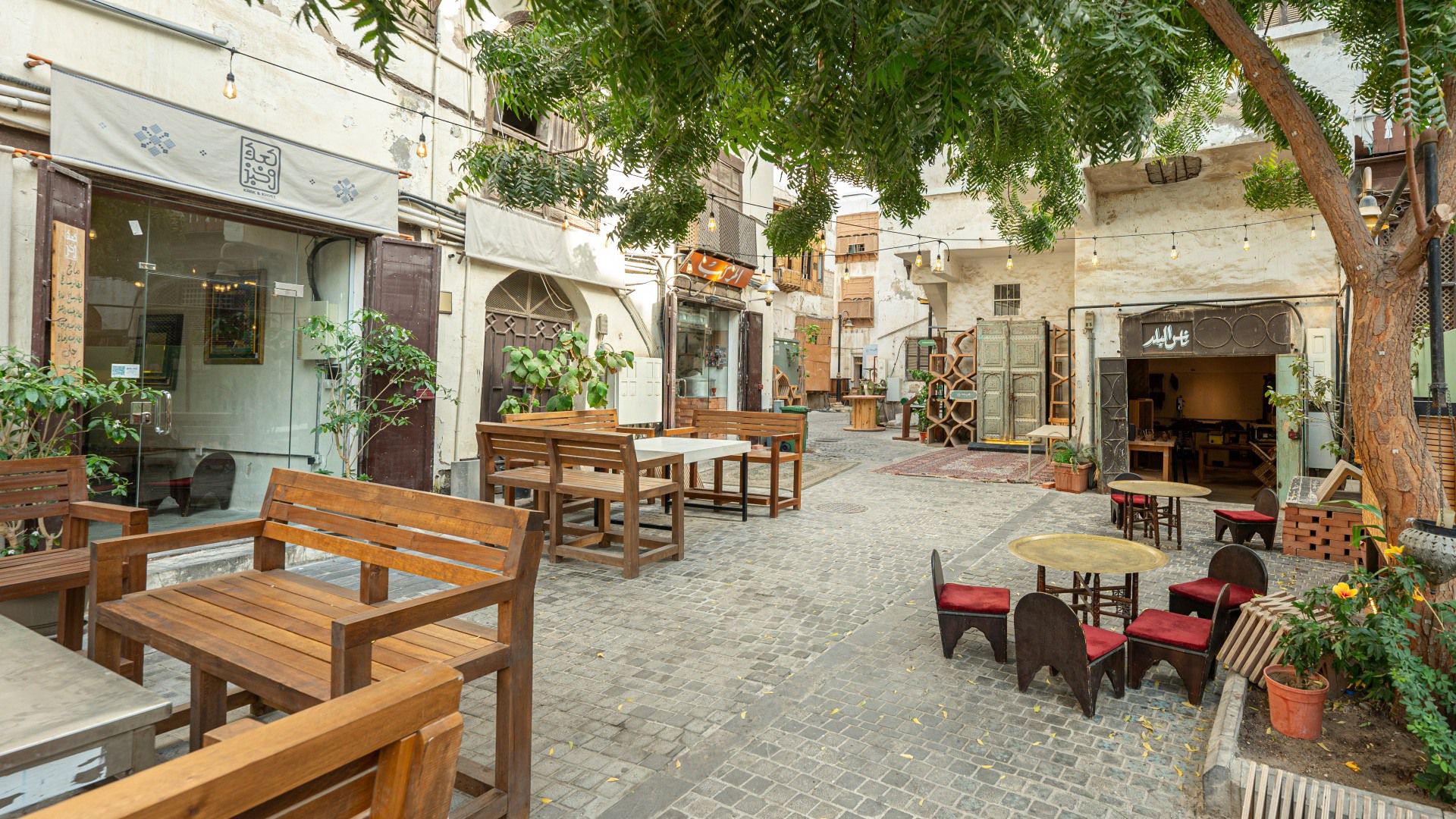
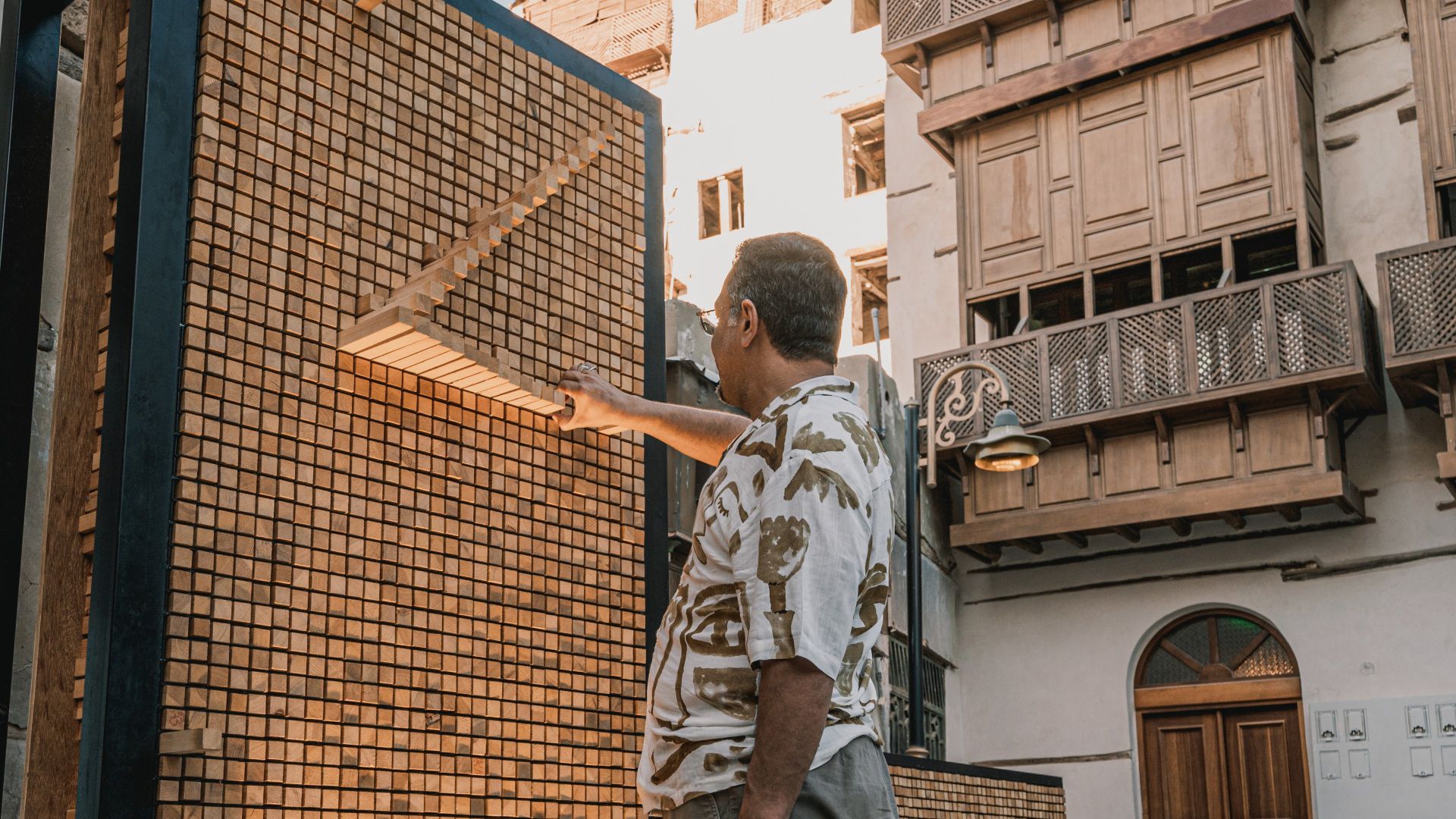
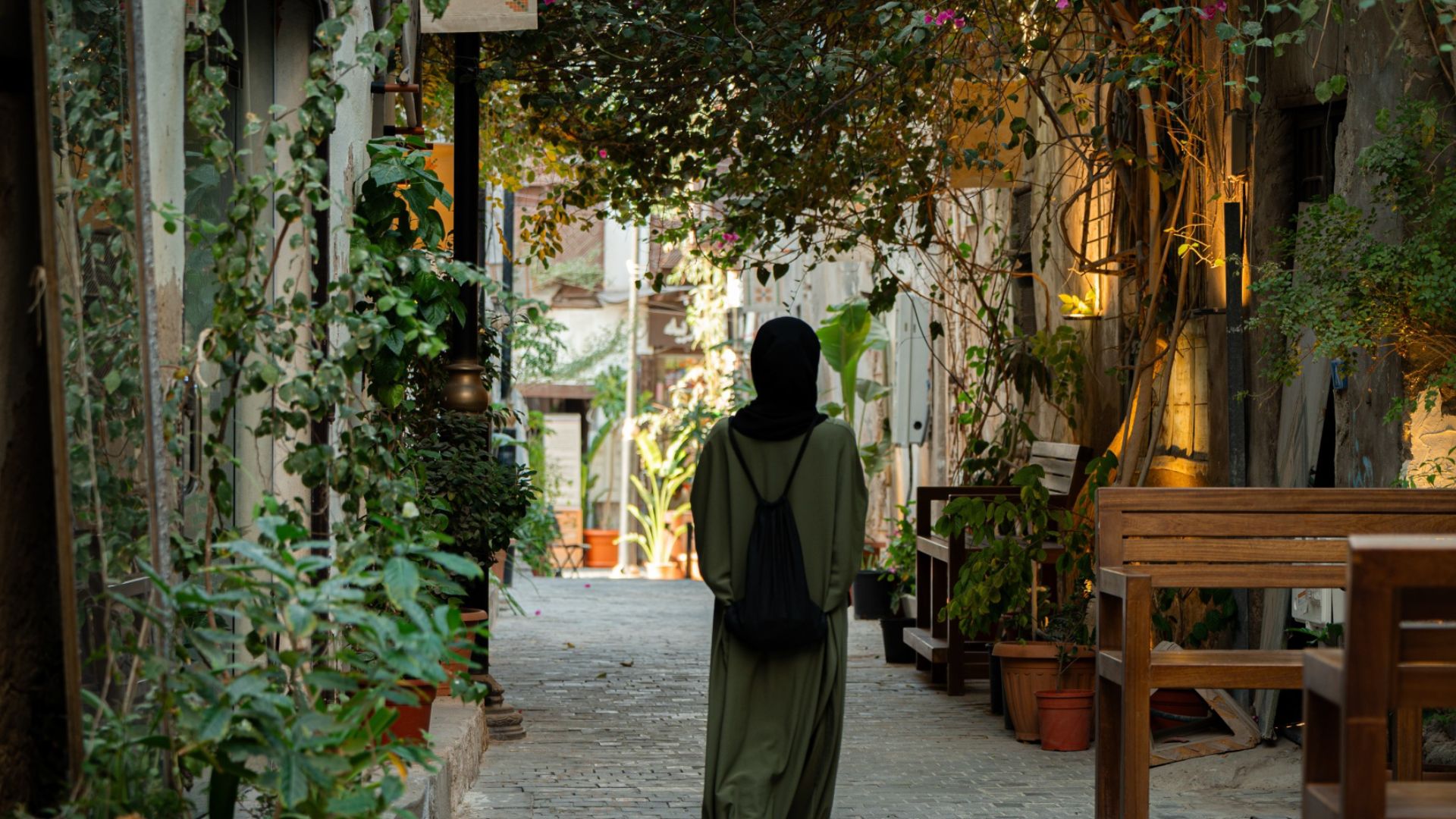
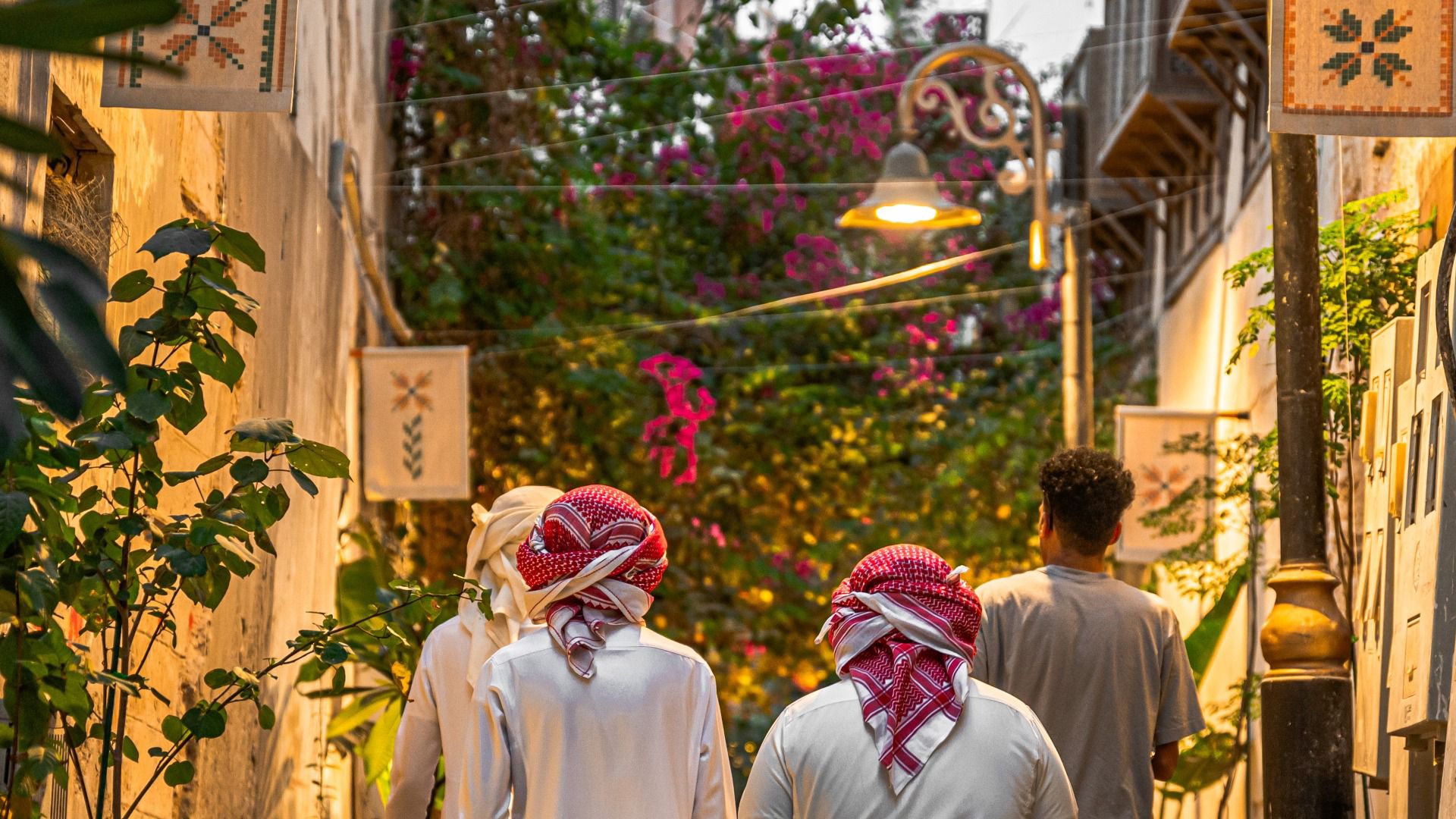
Zawiya 97
Zawiya 97, located within the captivating lanes of Historic Jeddah, is a vibrant cultural hub celebrating traditional crafts and contemporary creativity. This unique space, symbolically positioned at a 97-degree angle from Jeddah to Makkah, embodies the rich tapestry of life in the district. Visitors can explore the bustling Artisans Souq, enjoy culinary delights at Al Murakab Community Kitchen, and immerse themselves in the authentic living heritage through curated exhibitions and dynamic craft installations. Zawiya 97 is a journey into Jeddah’s soul, blending cultural heritage with innovative artistic expression, making every visit an enriching and inspiring experience.
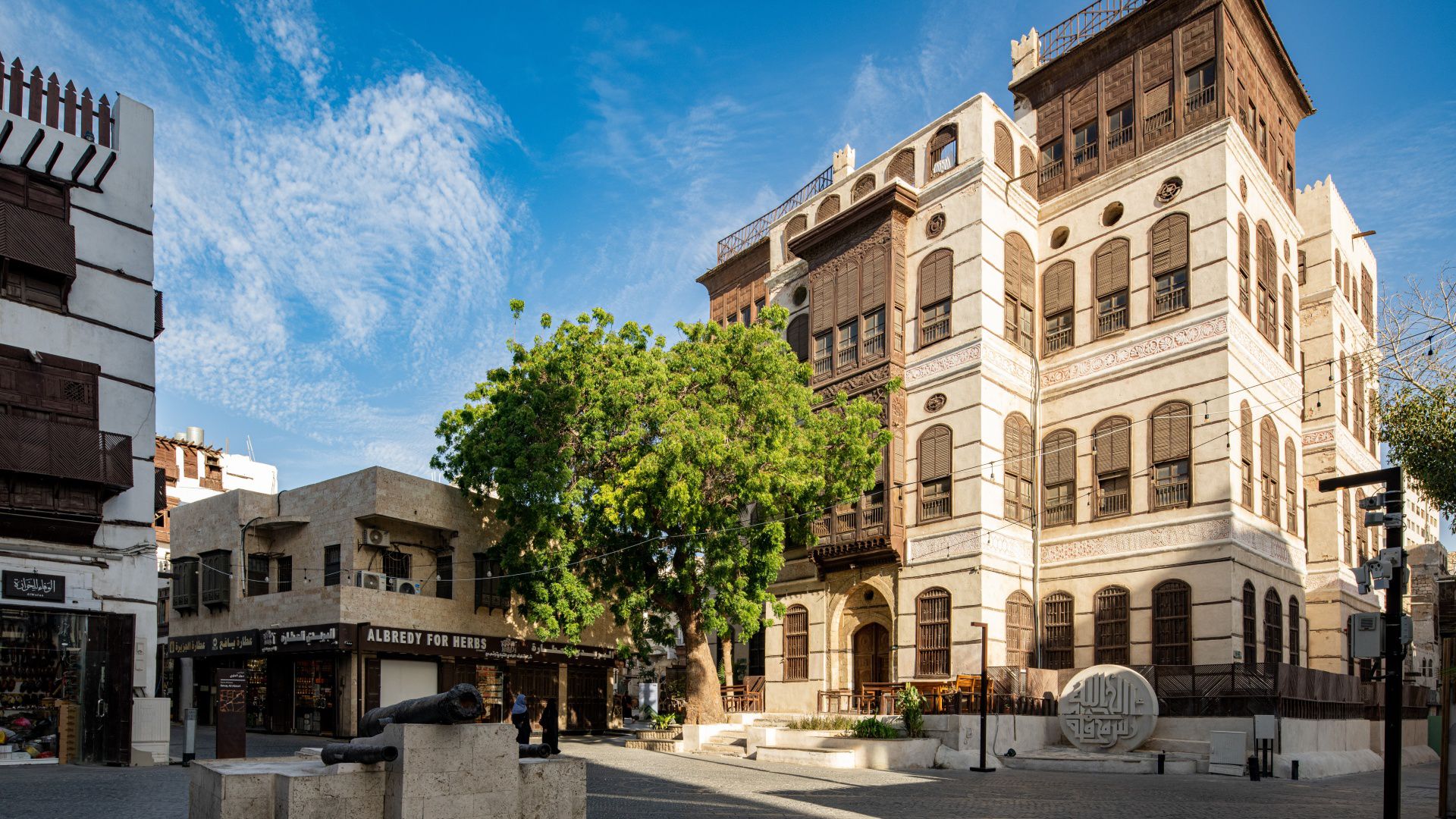
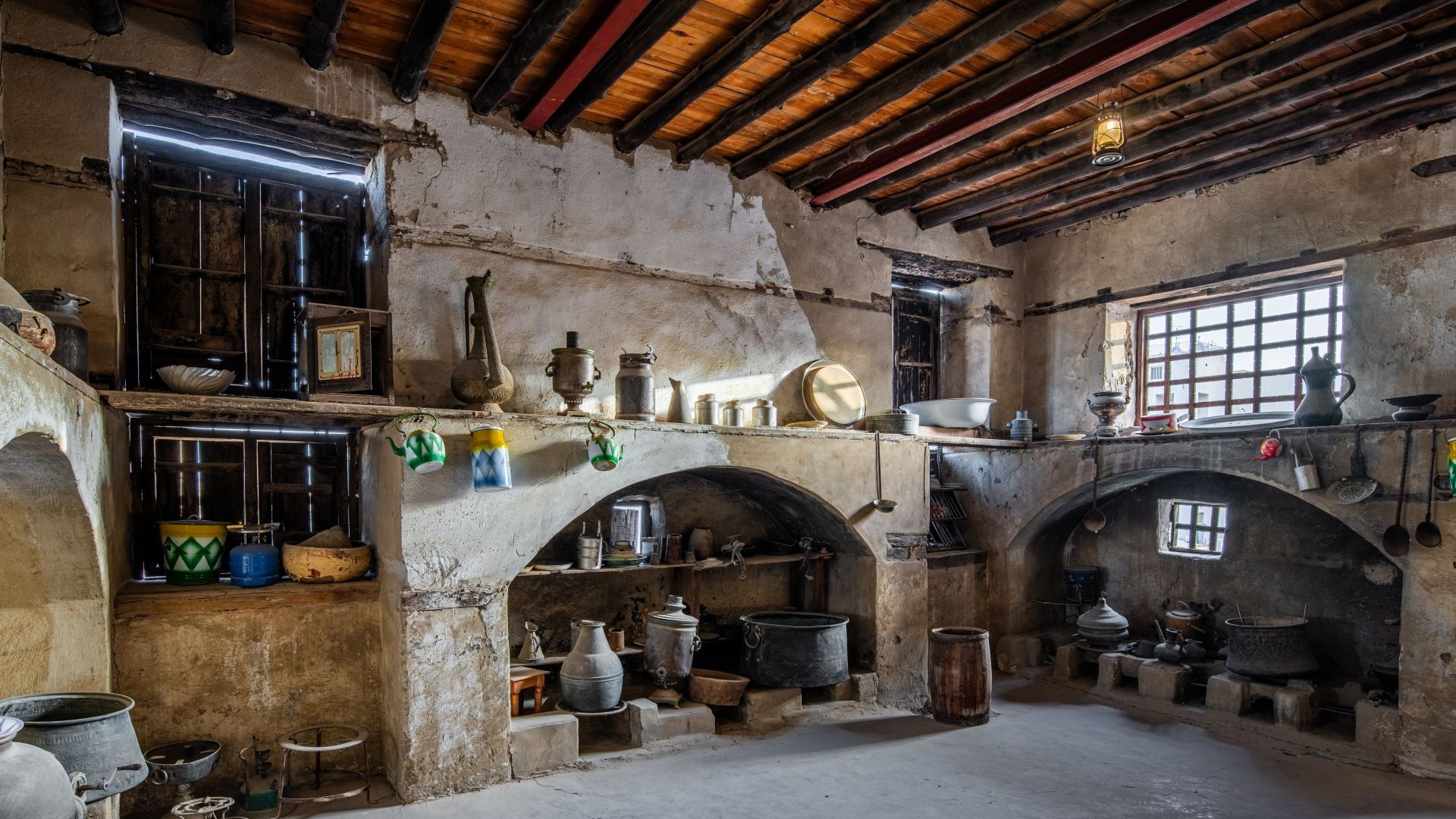
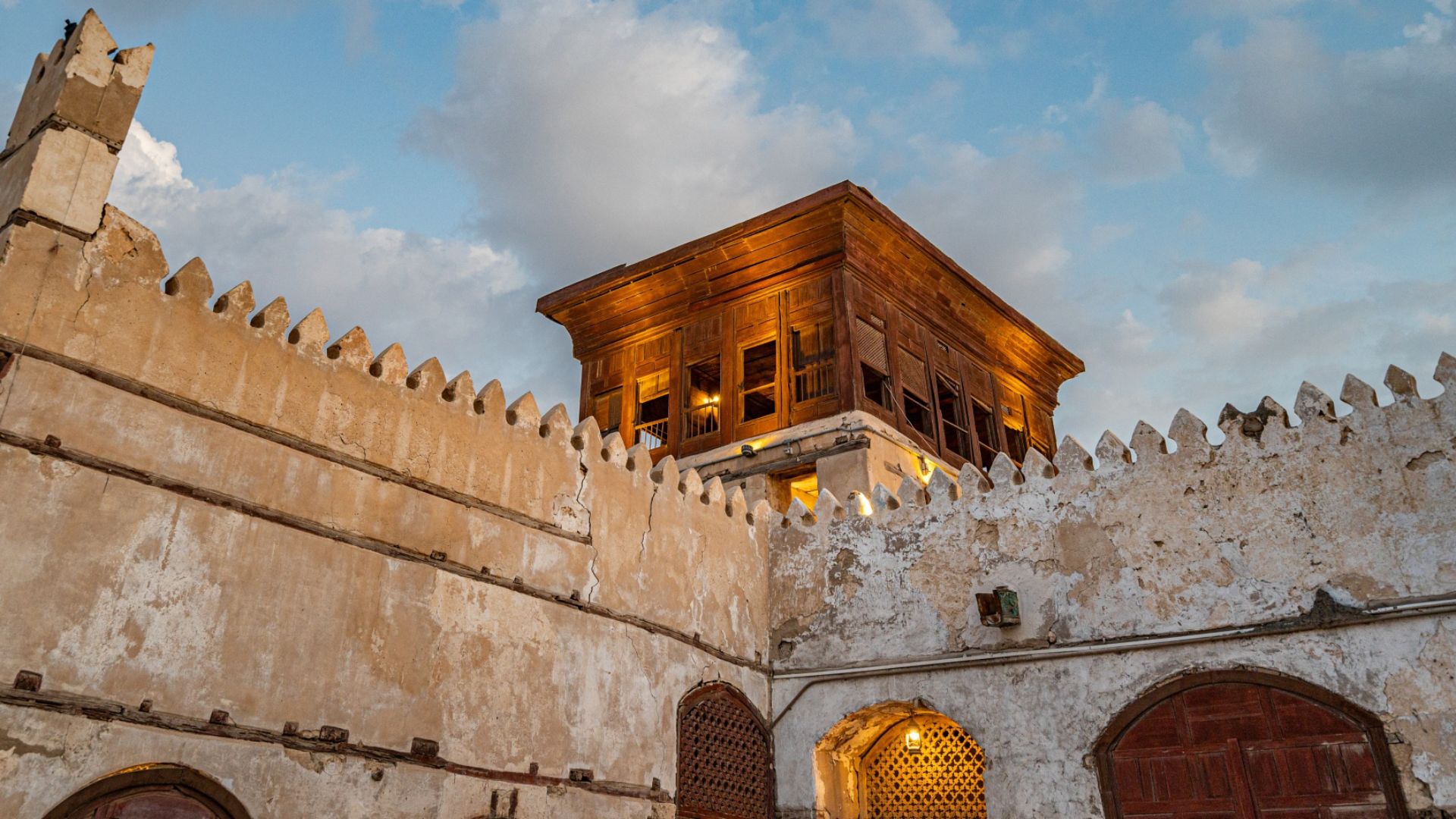
Beit Nassif
Beit Nassif, a 155-year-old mansion in Historic Jeddah, stands as a testament to the city’s rich cultural and architectural heritage. Once a residence for King Abdulaziz, the founder of modern Saudi Arabia, this house is steeped in history. Visitors can explore the grand rooms, historical artifacts, and a sentinel older than 130 years, the famous neem tree that guards its entrance. Beit Nassif offers a glimpse into the past, showcasing the grandeur of Al Balad and its significance in Saudi history. It's a must-visit for history enthusiasts and those seeking to experience the cultural legacy of Historic Jeddah.

Al Shafi'i Mosque
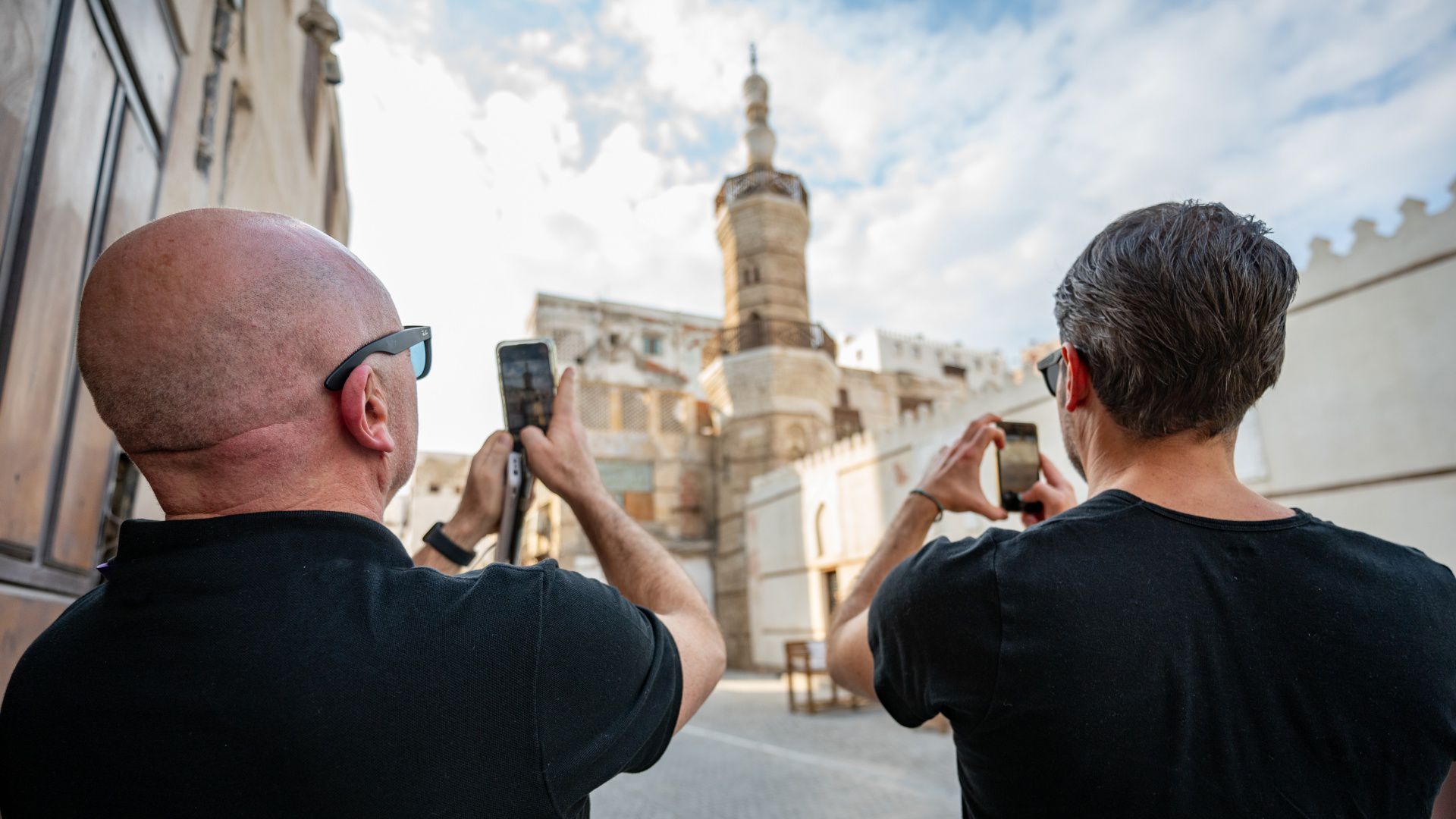
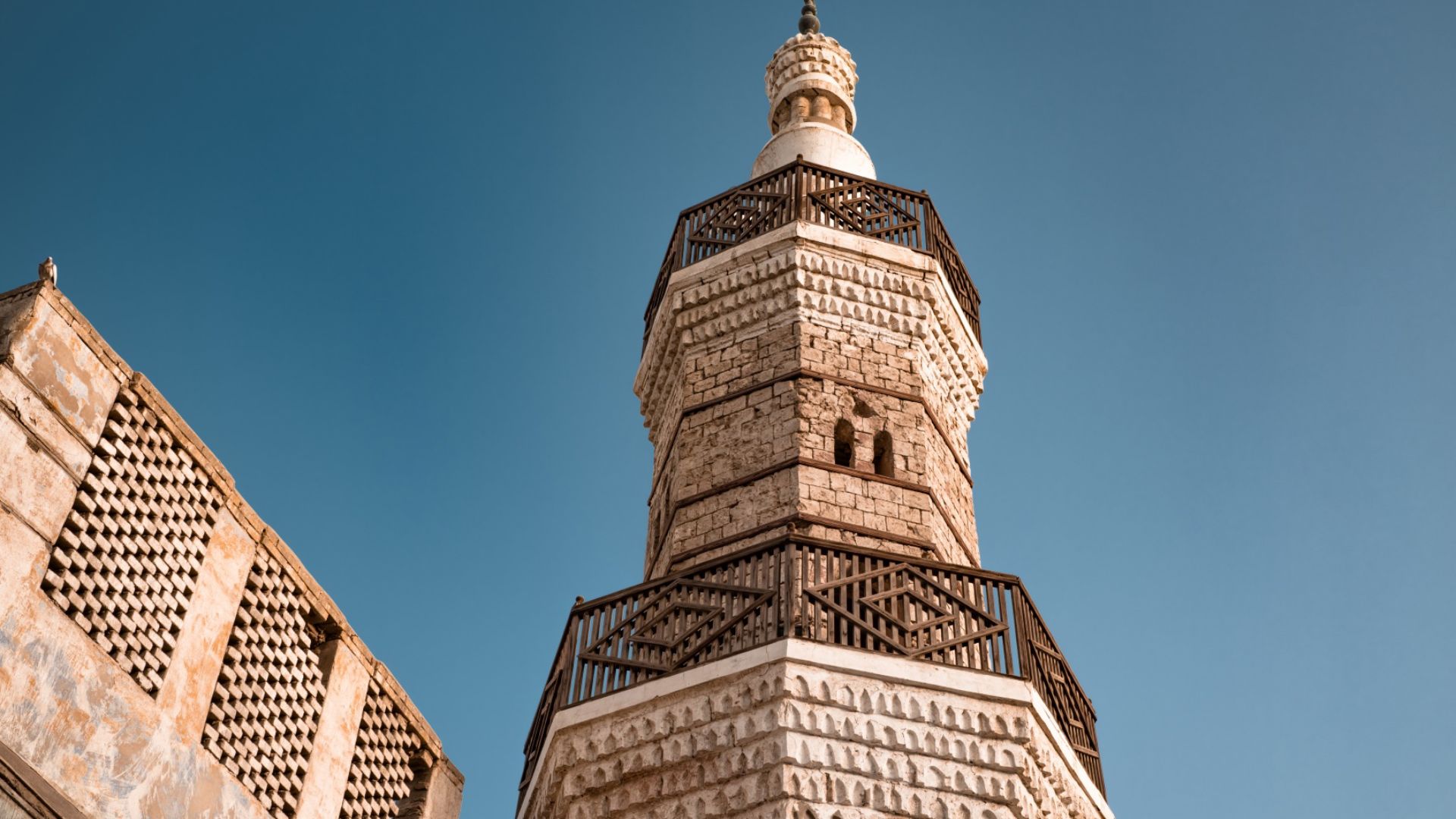
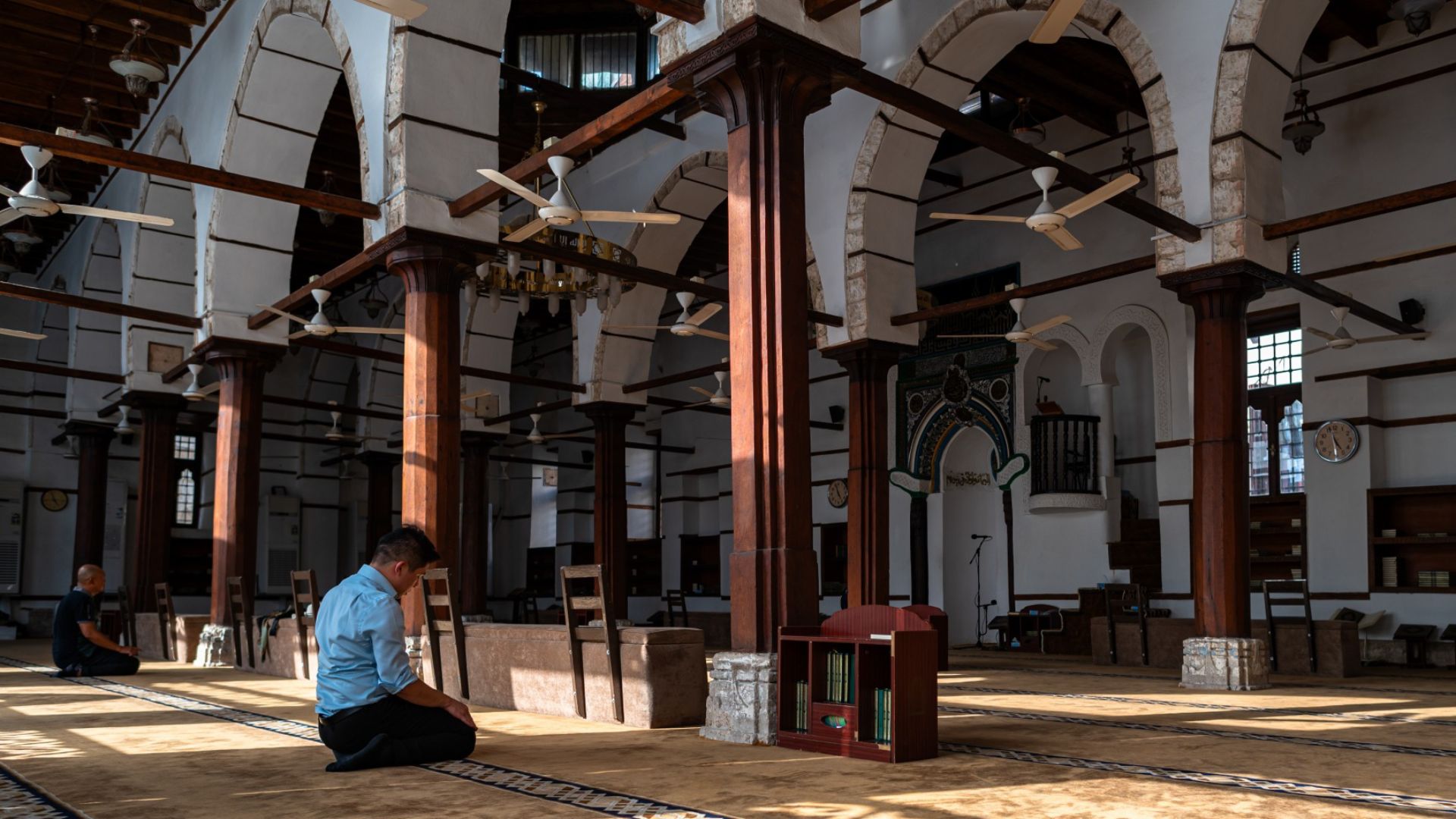
Al Shafi'i Mosque, originally known as Alateeq Mosque, was built nearly 1,400 years ago. The mosque was later named after the iconic Islamic scholar Imam Shafi'i and is one of the oldest mosques in Historic Jeddah. Mentioned in a historic memoir from 1045, the mosque’s mehrab is renowned for its intricate carvings and vibrant crimson, emerald green, and indigo details. The mosque offers visitors a chance to experience the profound history and architectural beauty of one of Jeddah’s most cherished religious sites. Al Shafi'i Mosque continues to be a place of worship and reflection, connecting the past with the present through its enduring spiritual significance.
Beit Baeshen
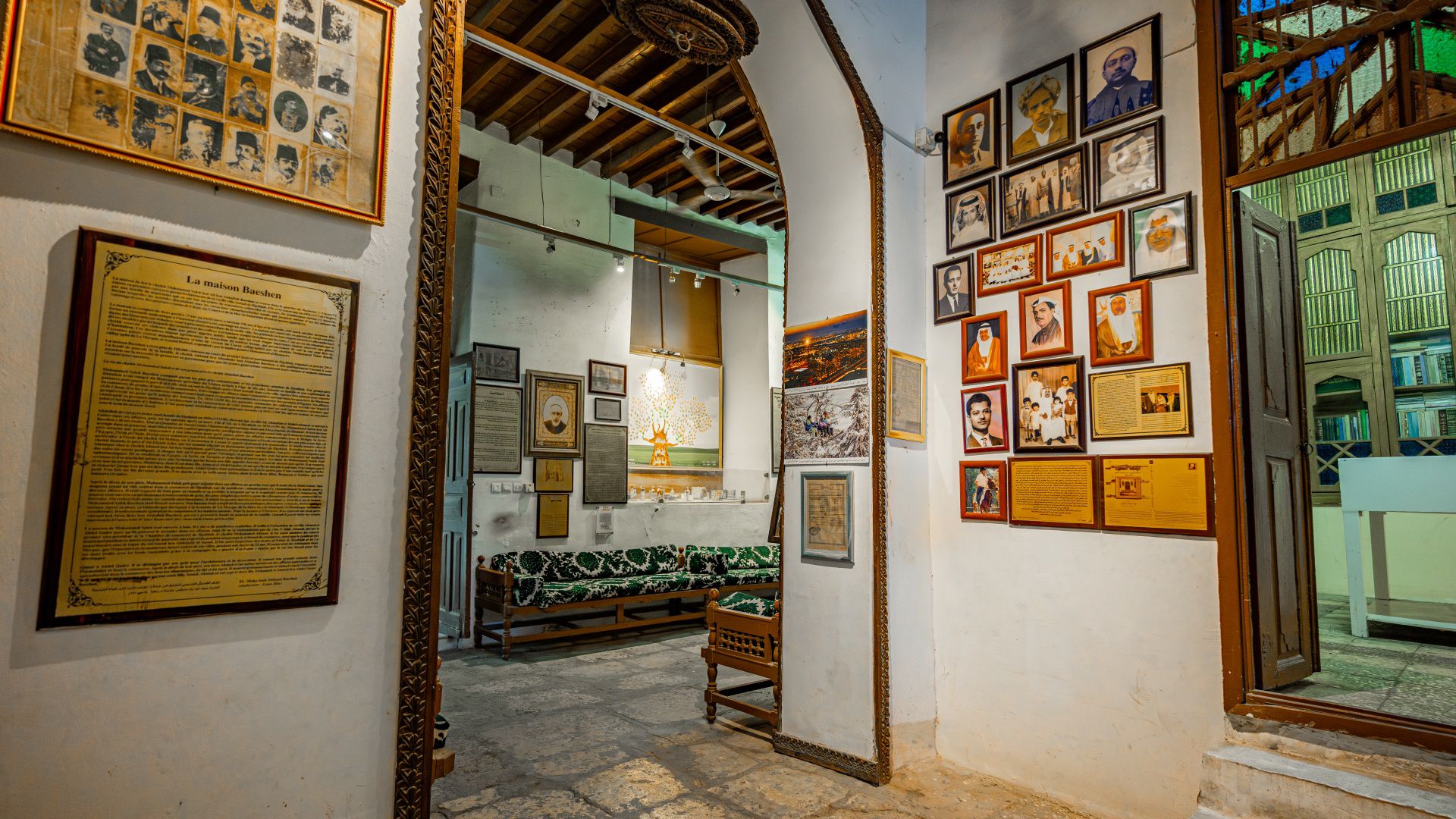
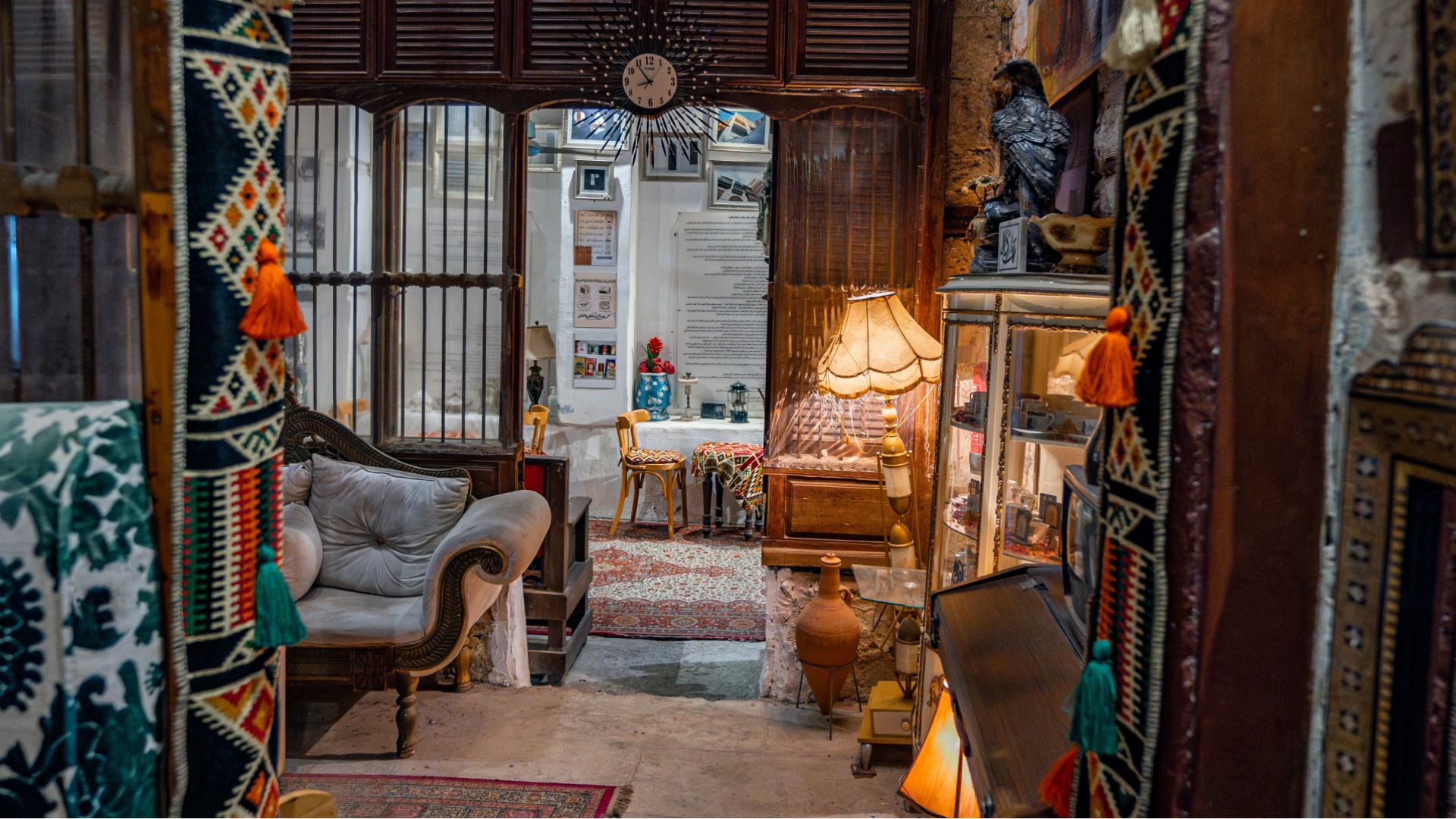
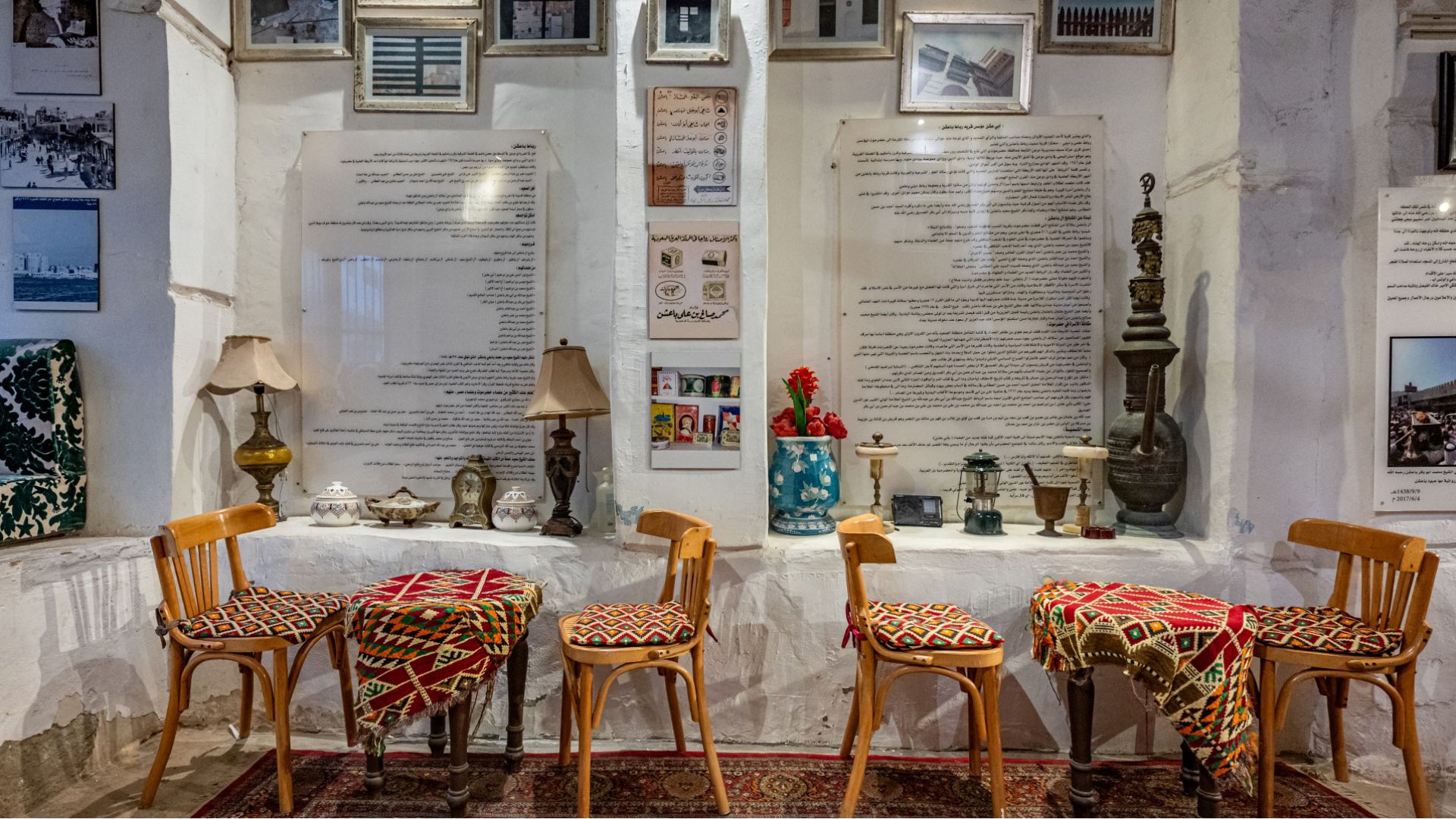
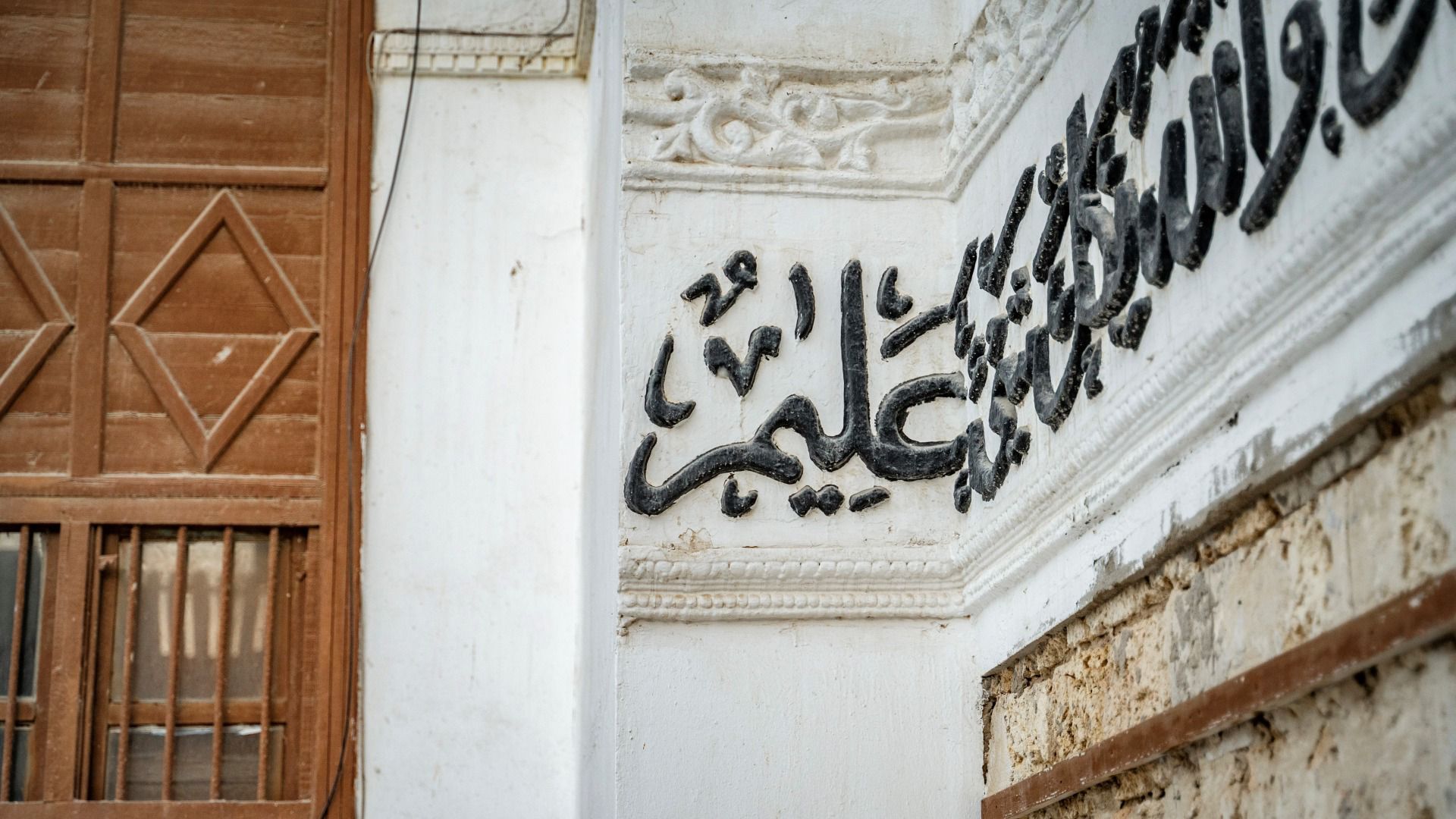
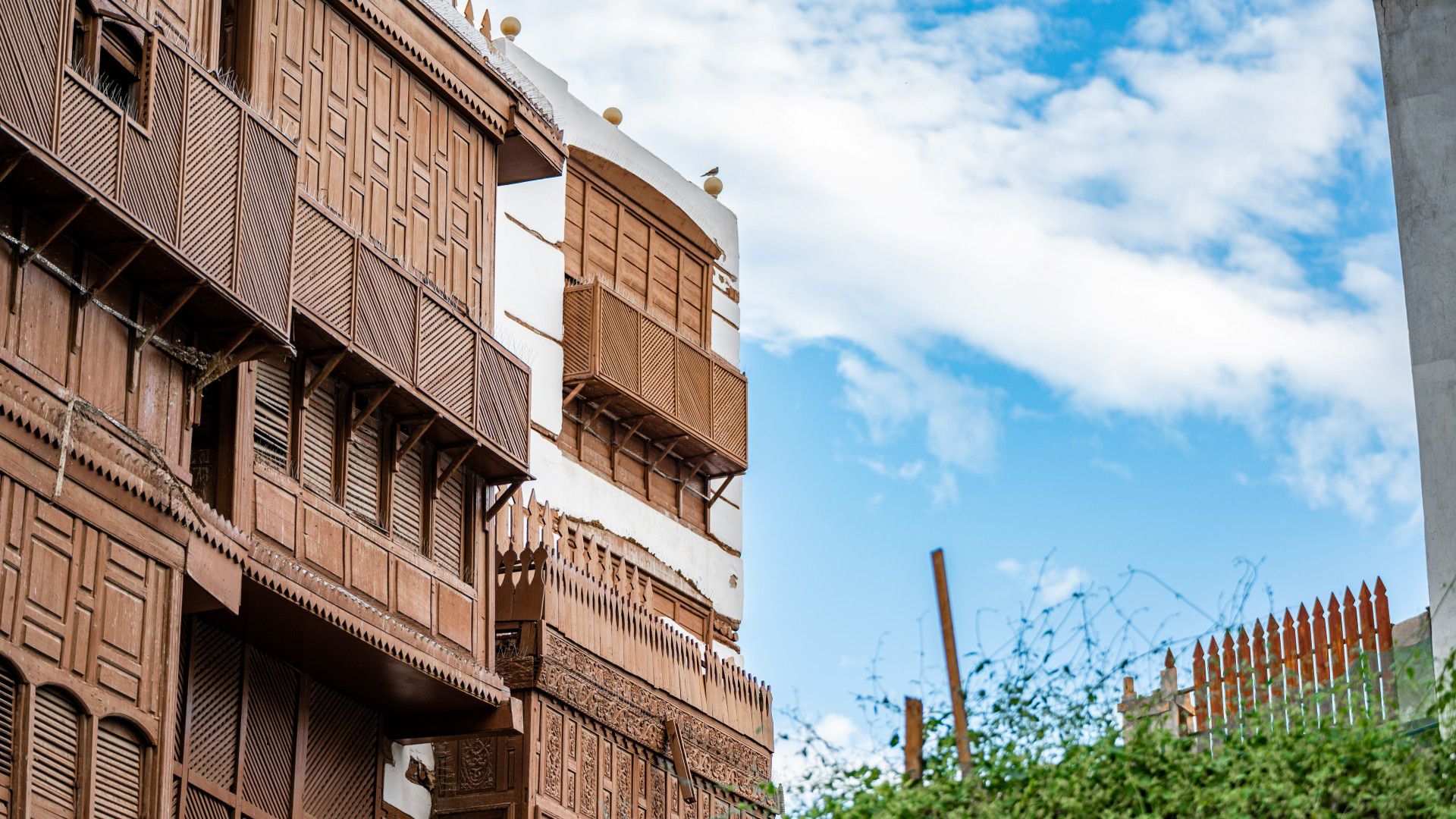
Beit Baeshen, a grand house in Historic Jeddah comprising two connected homes, is a splendid example of Historic Jeddah's unique architecture. The house features resplendent rawasheen and reflects the cultural values of separation between male and female spaces. The men’s parlor is directly connected to the main entrance, while the inner parts of the house are reserved for women. The house also boasts a courtyard adorned with calligraphic verses from the Quran, creating a serene and spiritual atmosphere. Visitors can relax at Al Roshan Café on the ground floor, reminiscent of a traditional living room from the past.
Beit Al Sharbatly
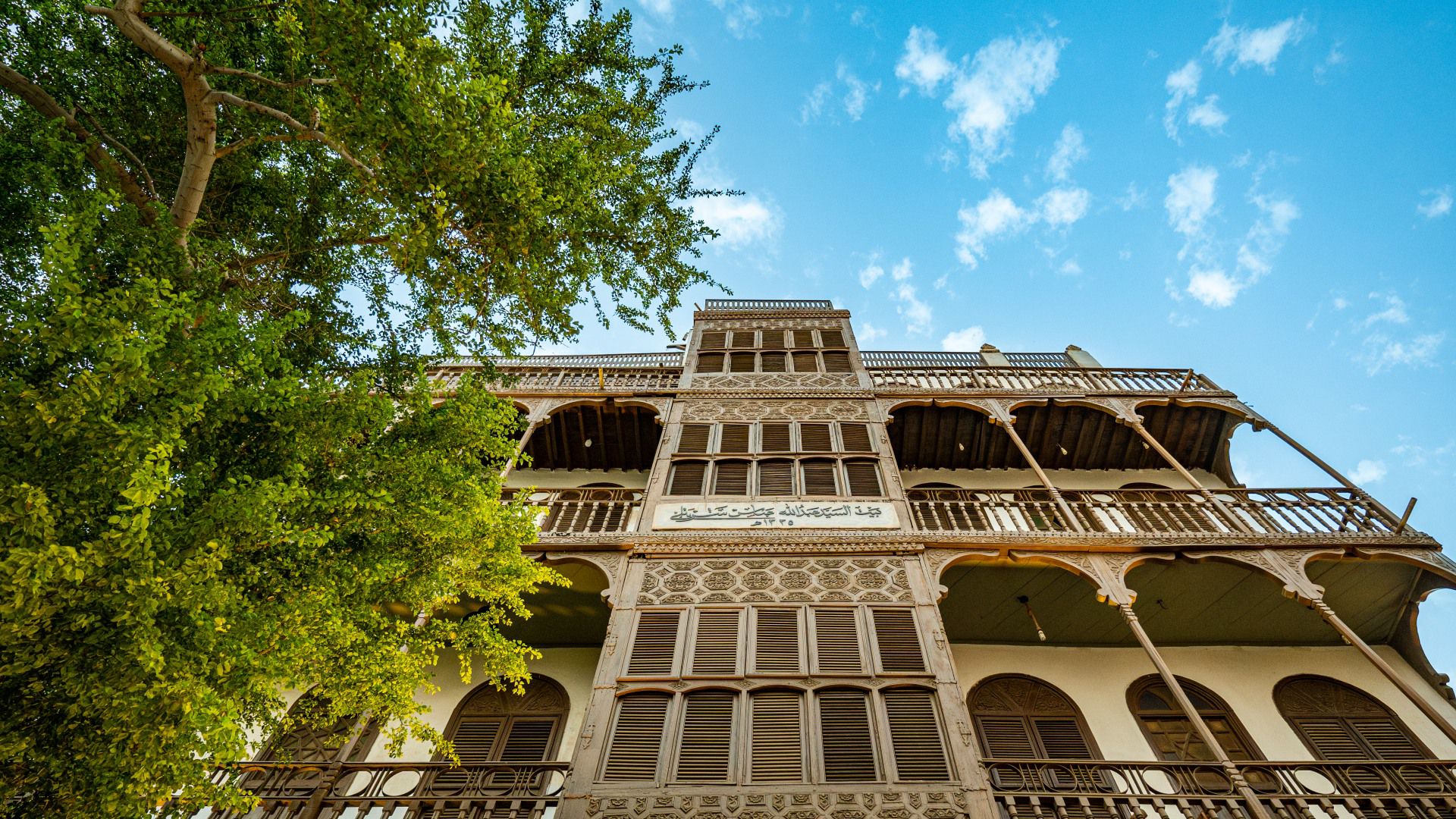
Beit Al Sharbatly, a stunning mansion completed in 1936, is one of the most iconic traditional houses in Historic Jeddah. Originally the headquarters of the Egyptian Embassy, it was later acquired by the Al Sharbatly family, who opened it for cultural events. The house is renowned for its intricate Islamic motifs and sweeping rawasheen, creating a visually striking facade. Visitors can explore the beautifully preserved rooms and experience the grandeur of this historical mansion. Beit Al Sharbatly serves as a cultural venue, hosting national and cultural events, making it a vibrant part of Historic Jeddah’s heritage.
Beit Al Matbouli
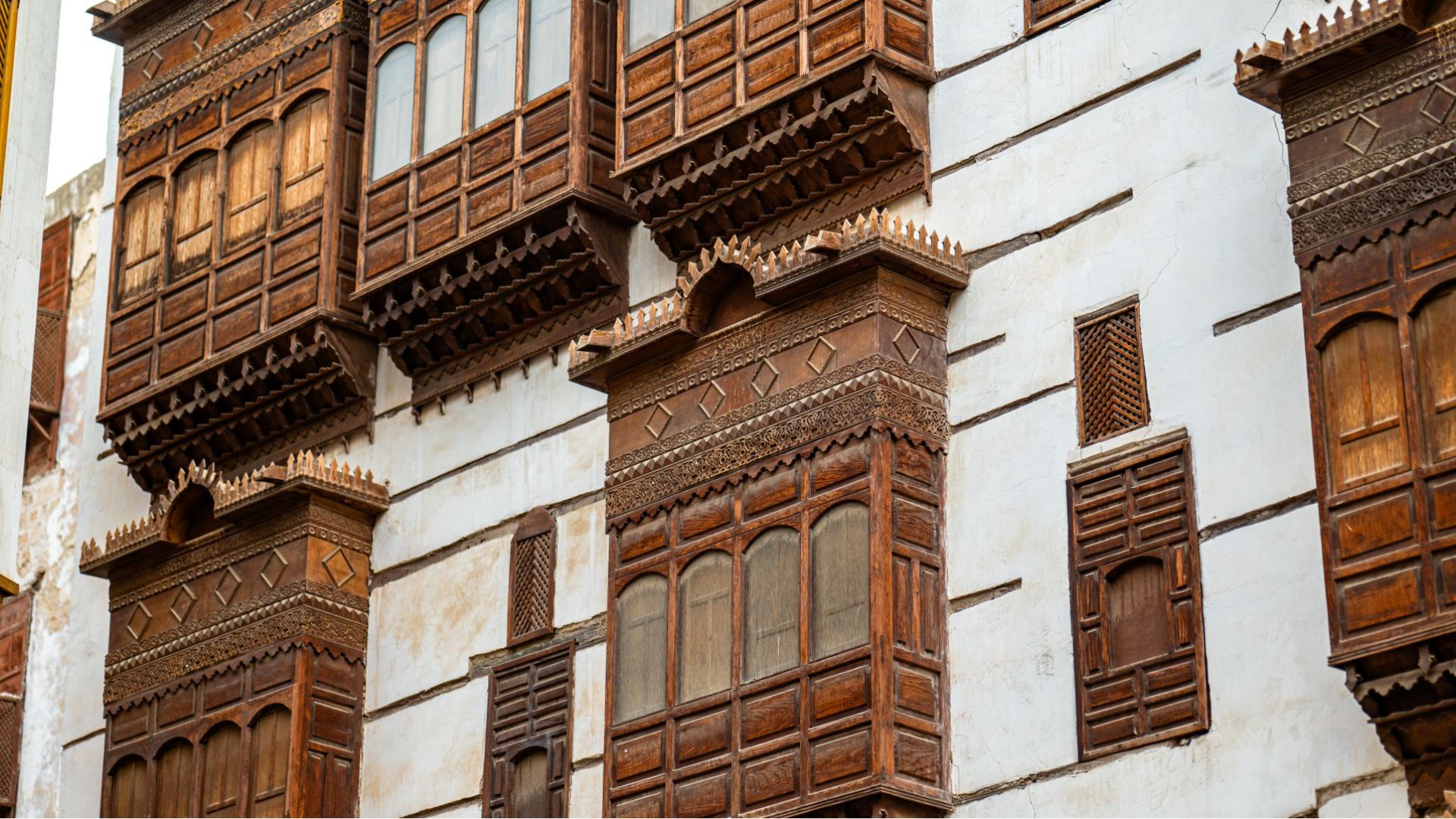
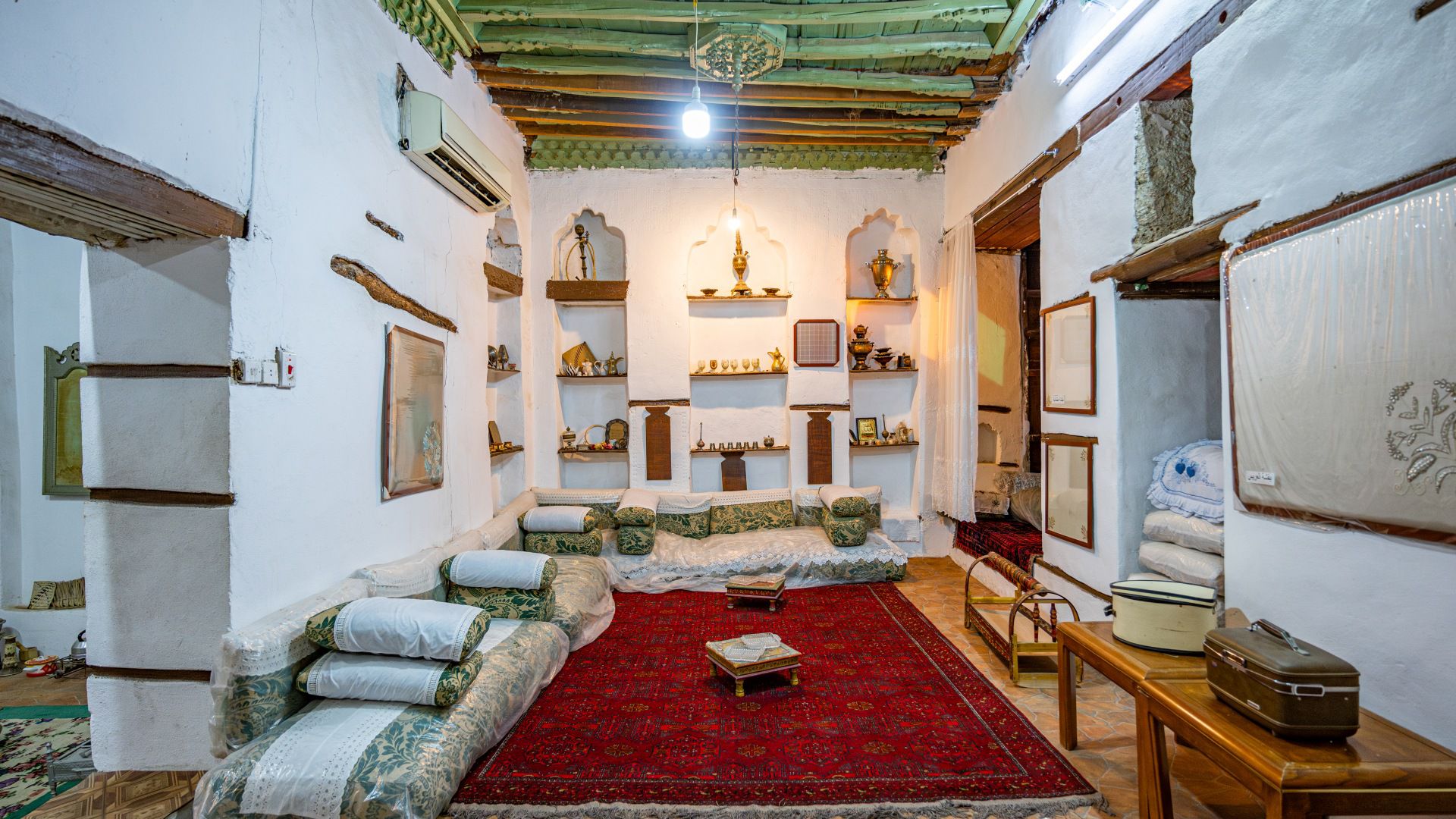
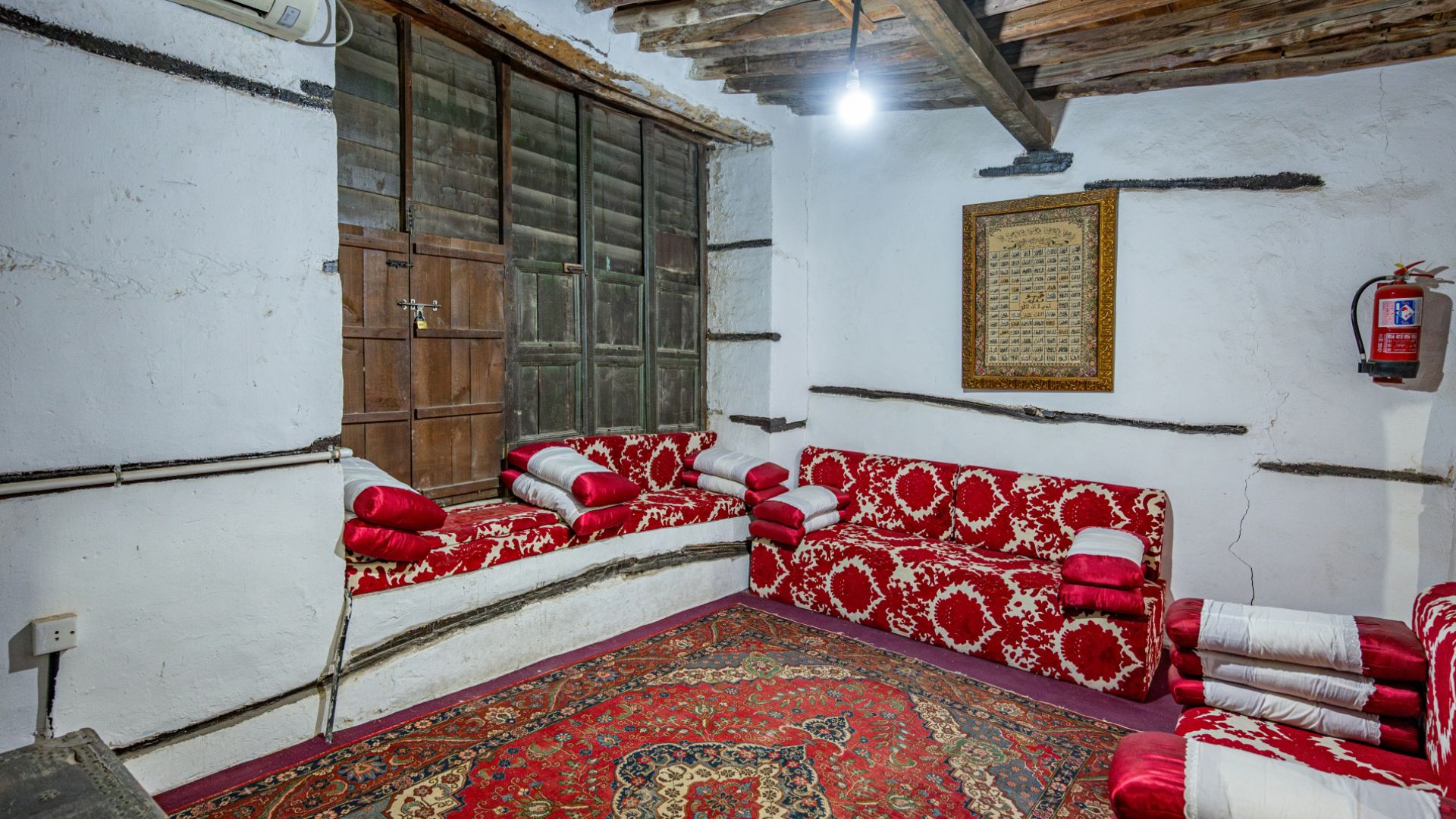
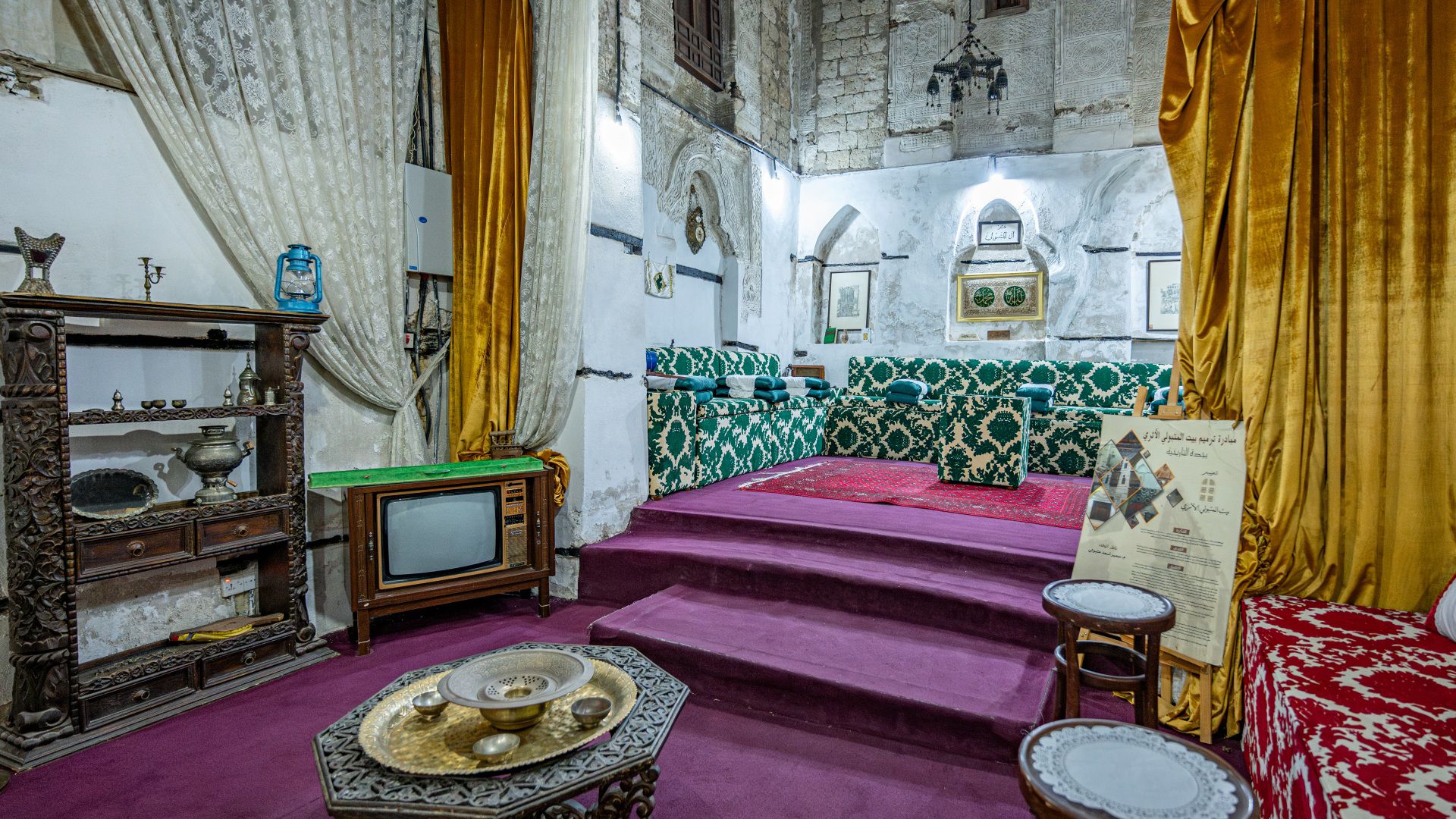
Beit Al Matbouli, built in 1613, is one of Historic Jeddah’s most famous historical houses. Its elegant facade, furnished with classical brown rawasheen, exudes timeless beauty. The house is now a museum, offering visitors a chance to step back in time and experience the traditional way of life in Historic Jeddah. With its two entrances and beautifully preserved interiors, Beit Al Matbouli stands as a testament to the district's rich architectural heritage and cultural history, making it a must-visit for those interested in exploring the past.
Al Dosariyah Castle
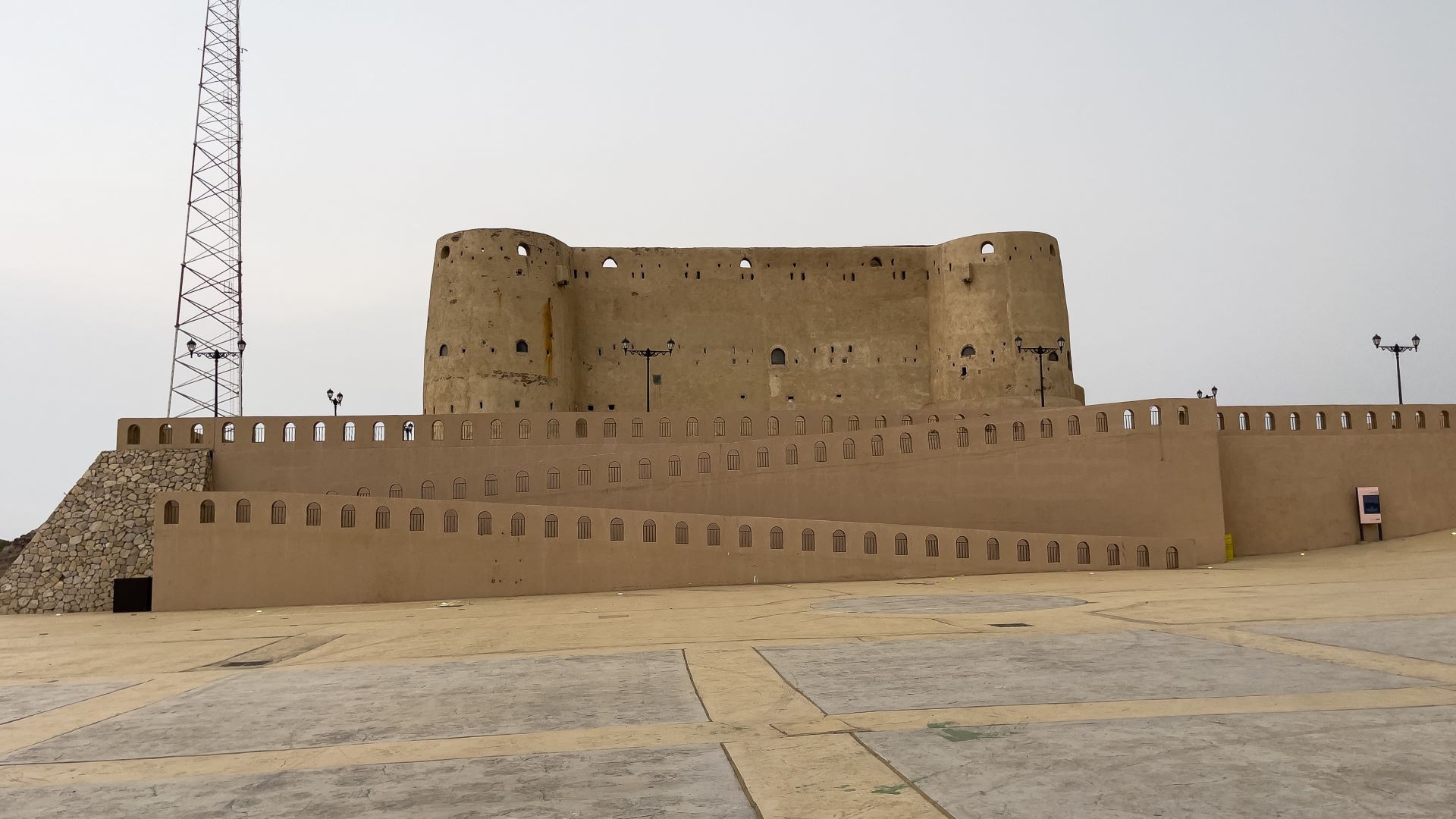
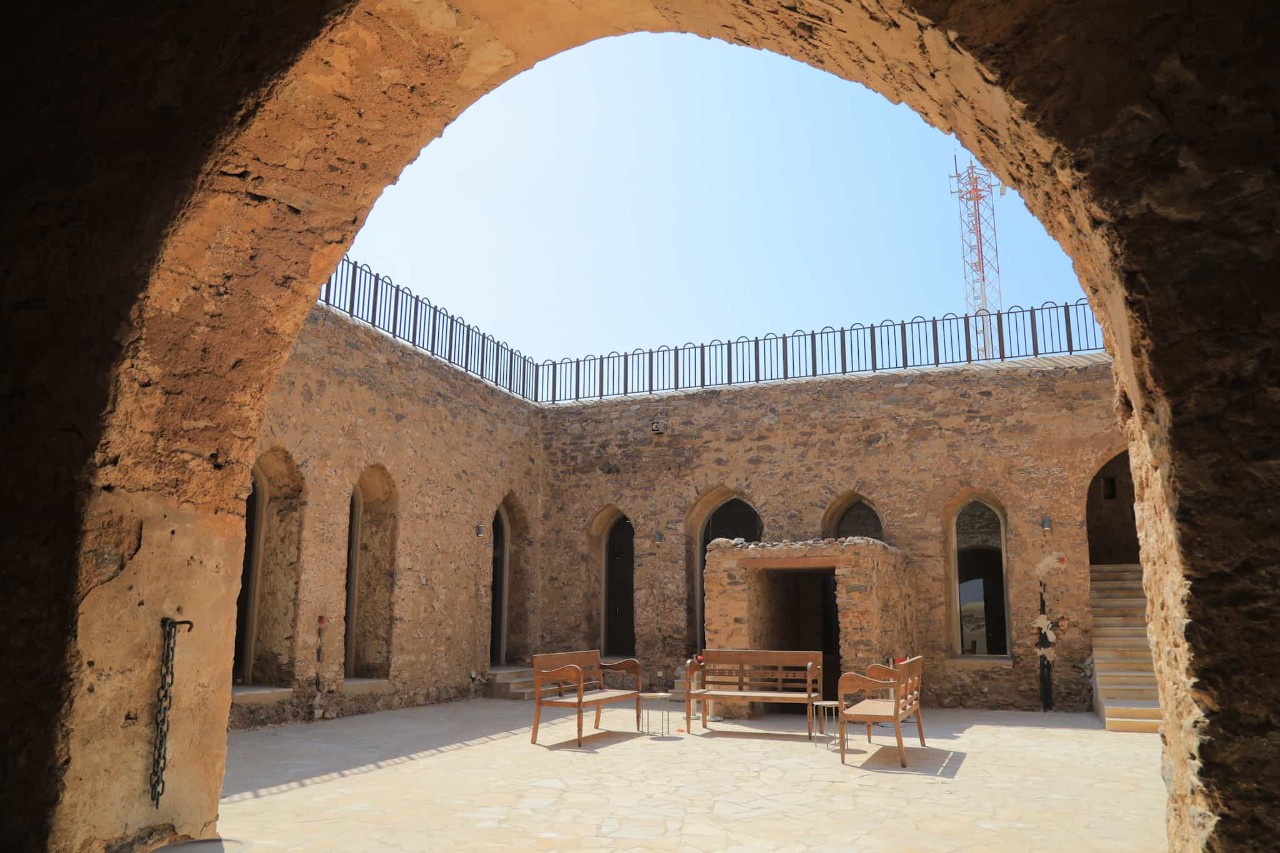
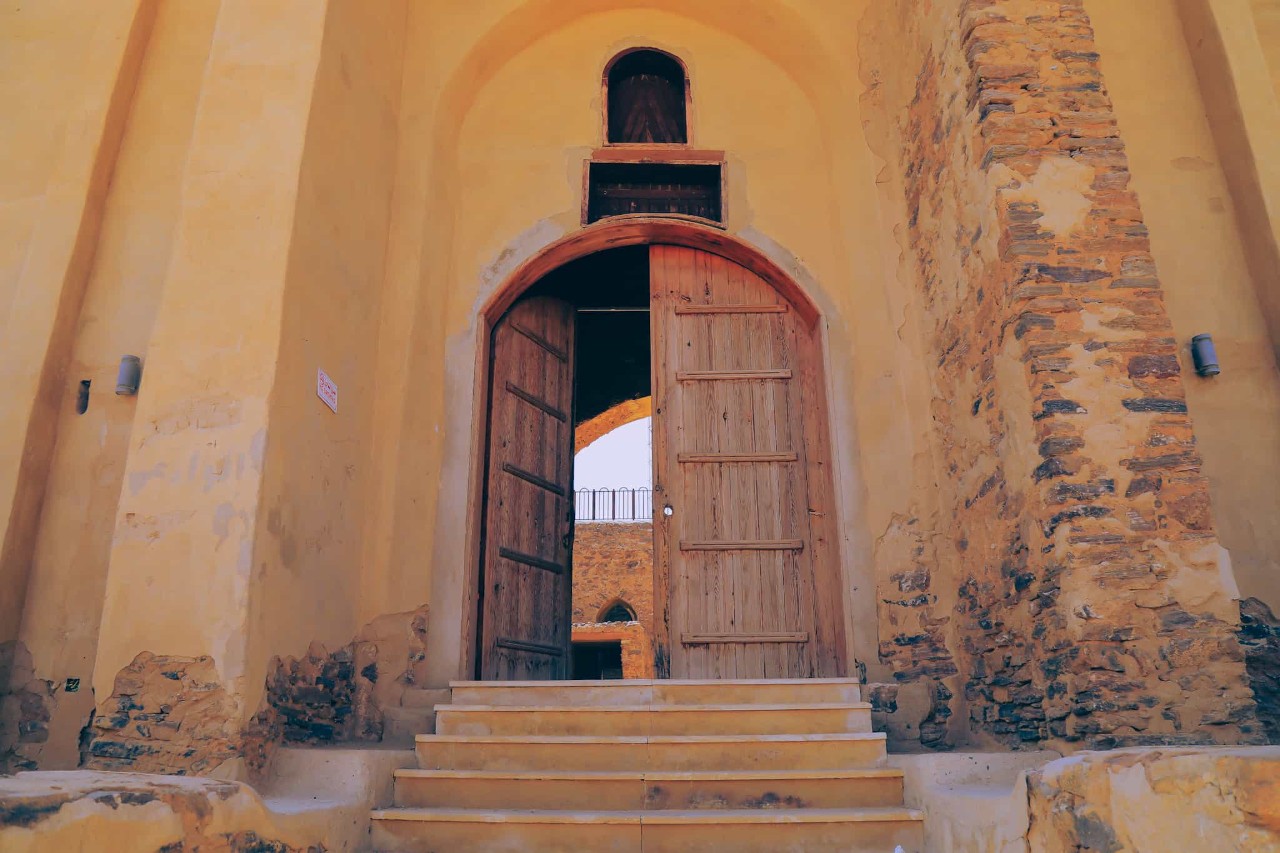
The historic Al Dosariyah Castle is located on a mountain overlooking the port of Jazan. It was built in 1933 for military purposes, and its elevated location provides a clear aerial view of the port and the horizon. The castle was built with a military character and defensive systems such as protection walls installed at the entrances, an observation room on the upper floor, and openings in the walls for observation and shooting. The castle consists of an open square courtyard with medium-sized towers at its corners. In the center of the courtyard, there is a staircase leading to the roof. The castle has two entrances, one in the east and the other in the north, and includes multiple-purpose rooms. The construction of the castle is known for its sturdiness, as stones were used to build the walls, which were then covered with plaster. The castle was designed with high precision, evident in the distribution of spaces and the entry of sunlight. The direction of the wind was also studied before building the castle, and suitable materials were chosen to serve its intended function. You can enjoy a visit to one of the most important historical castles in Jazan at any time of the day, as it is open 24/7 throughout the week. This will allow you to discover an ancient architectural style that has stood for decades.

The Heritage Village
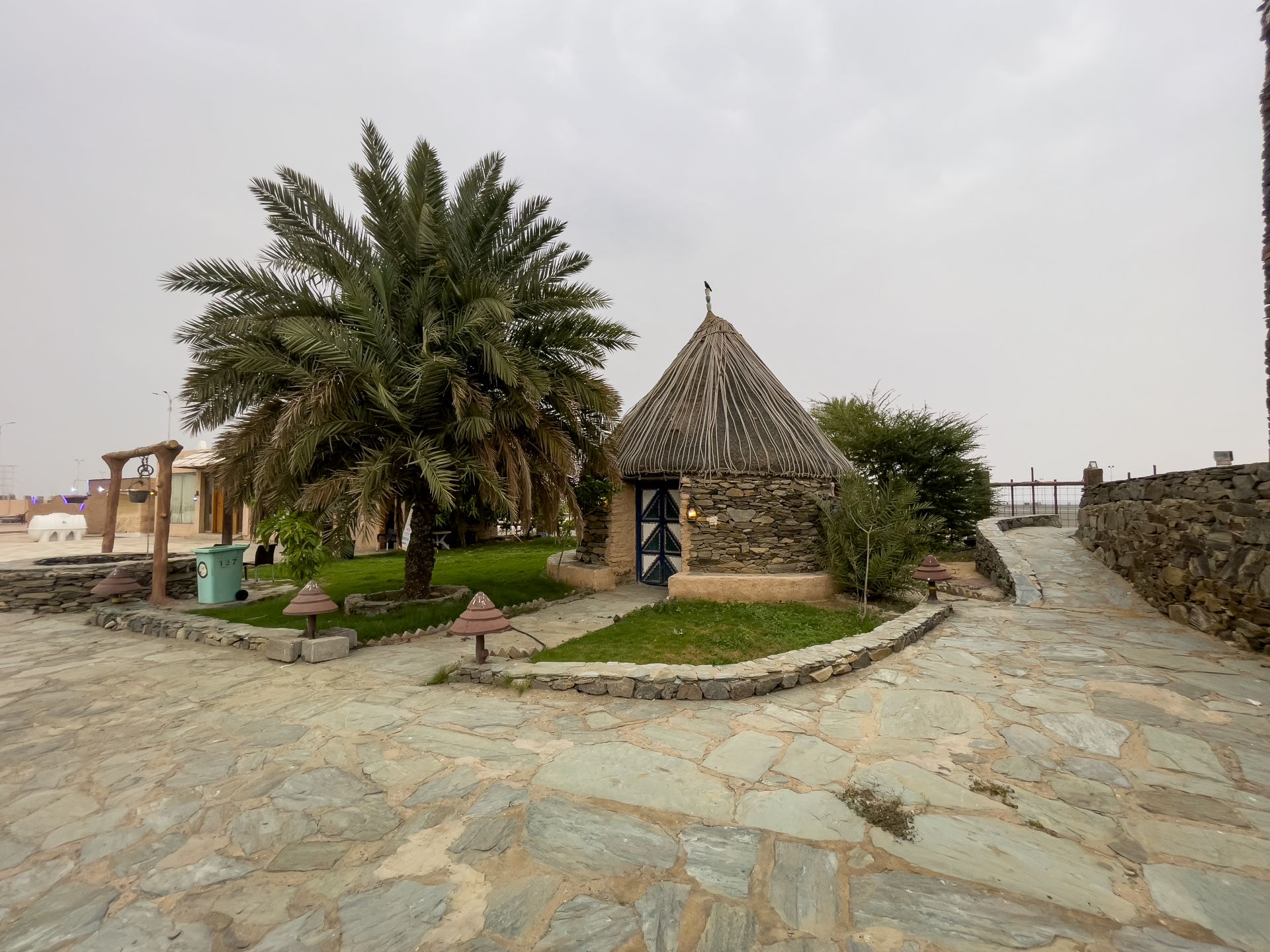
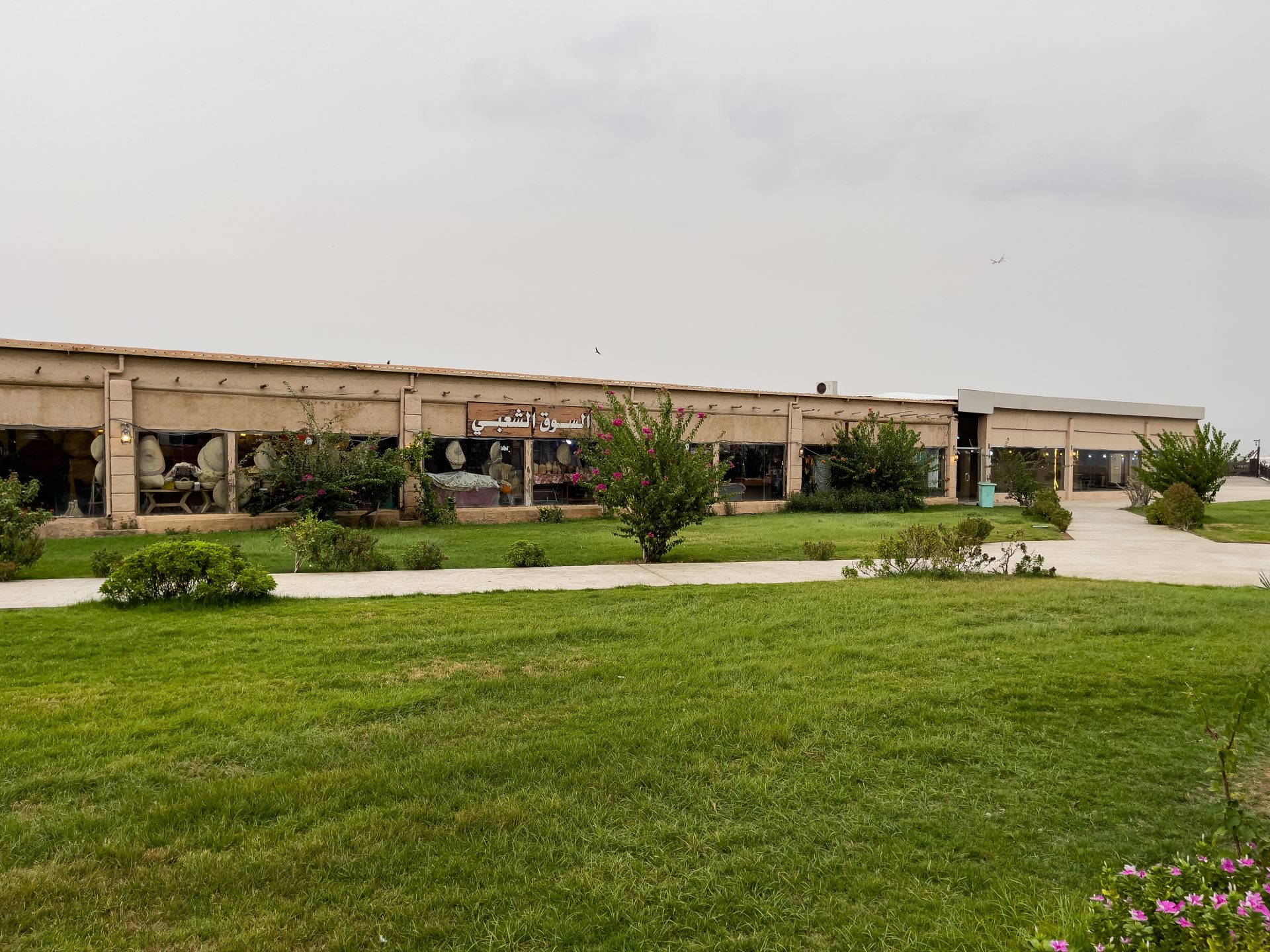
Jazan Province is known for its varied heritage. Near the southern corniche of Jazan City, a tourist attraction, established in 1439 Hijri, showcases the ancient history of the region. It is a fine combination of archeological buildings, handicrafts, popular food restaurants, cultural programs, modern arts, and national festivals, which makes the Heritage Village of Jazan an engaging cultural landmark and tourist destination for all society groups. You can visit a variety of shopping suites to buy some local products and gifts as souvenirs, which include handmade products and pottery. Additionally, you can visit the Development and Construction Exhibition, which showcases the history of the region through costume, antiquities and presentation films about the region displayed in a movie theater.

Al Mutlaq Heritage Mosque
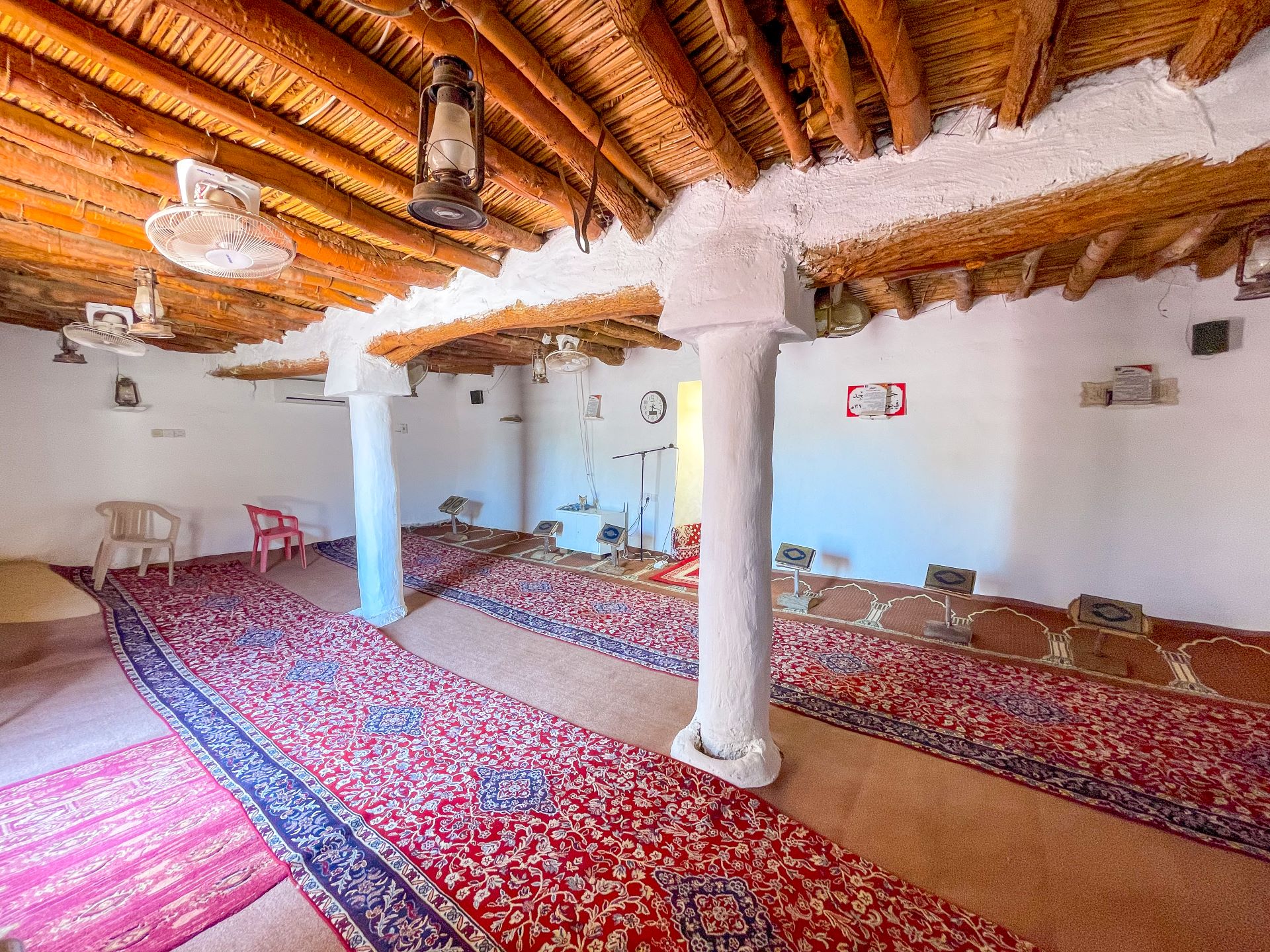
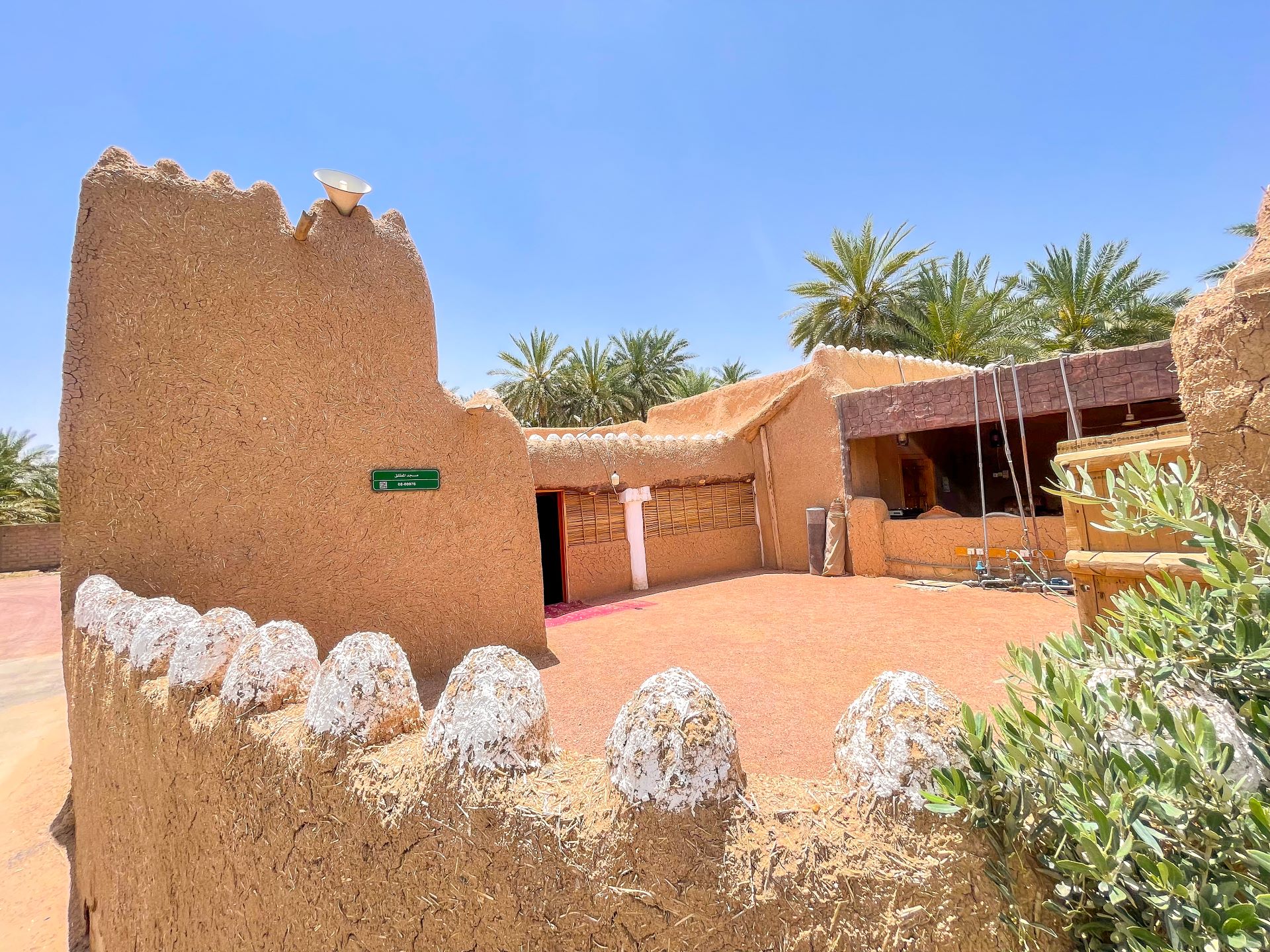
Al Mutlaq Heritage Mosque has been the subject of the Mutlaq family's care for more than three centuries, passing down the responsibility of its maintenance and restoration from generation to generation. It is one of the oldest and most prominent historical mosques in northern Saudi Arabia, with its foundations rooted in the city of Hail. Amidst the farms in Hadri Al Bilad in Hail, Al Mutlaq Heritage Mosque stands tall with its ancient architectural structure, wooden doors, and walls that tell stories from the depths of history. The mosque was built hundreds of years ago using available materials such as mud and stone, and its roof was constructed from Athel wood and palm fronds, forming an ancient architectural style that brings calmness and fills one with humility and devotion. The mosque has maintained its original architectural form, with its last restoration taking place in 1379 AH/1960 AD. The mosque consists of a ground-level prayer hall and a basement, as one of the traditional ways of building mosques in the Arabian Peninsula was to construct an underground prayer area called 'Al-Khalwa'. This area was used for prayers during the winter season to protect worshipers from the cold weather, and it could also be used for i'tikaf. The main component of the mosque is the prayer room, with a rectangular shape and a mihrab (prayer niche), and a minbar (pulpit) in the center. The mosque has an ancient traditional design for its interior windows, allowing light and air to enter the mosque.


Airef Castle
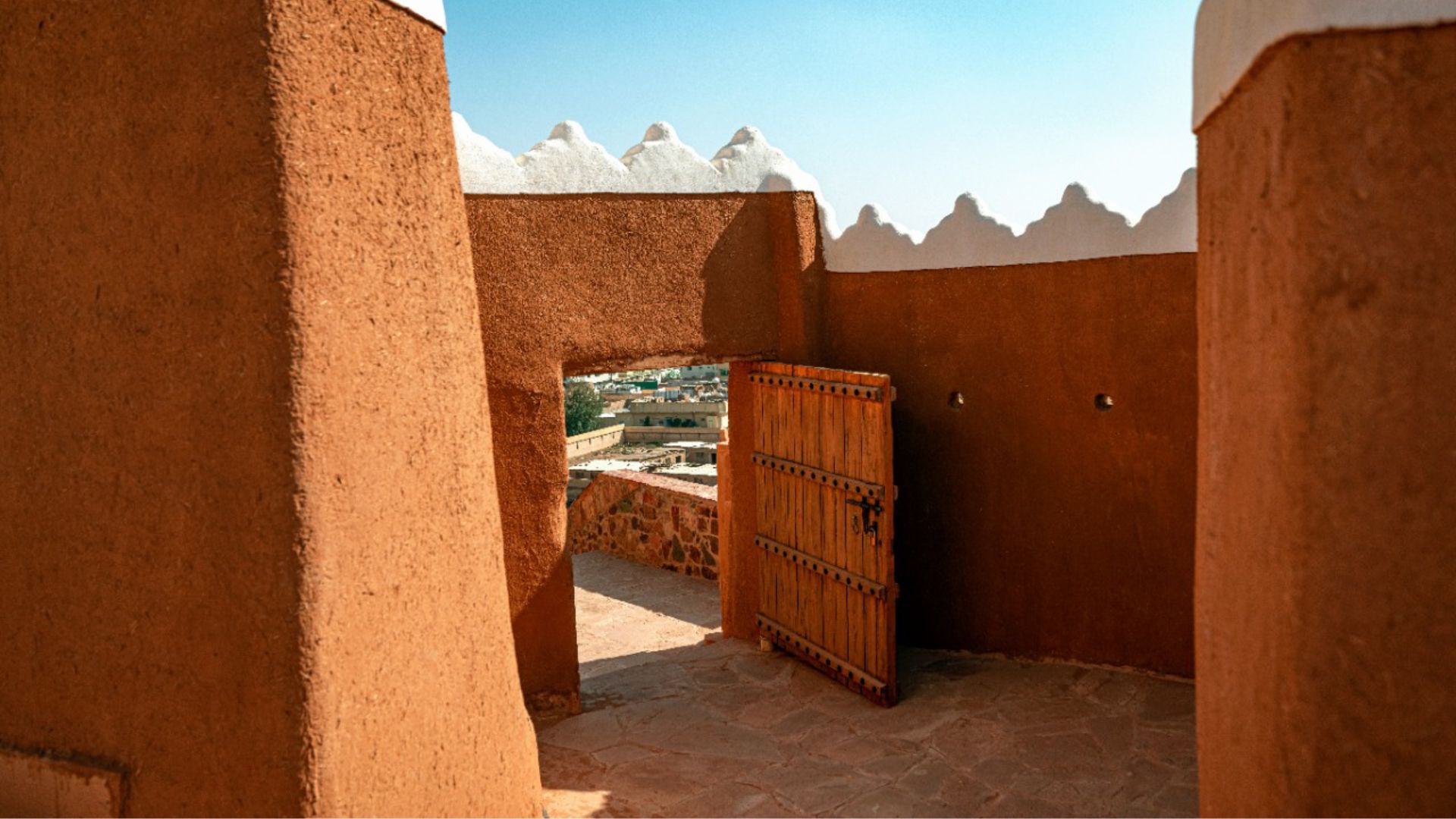
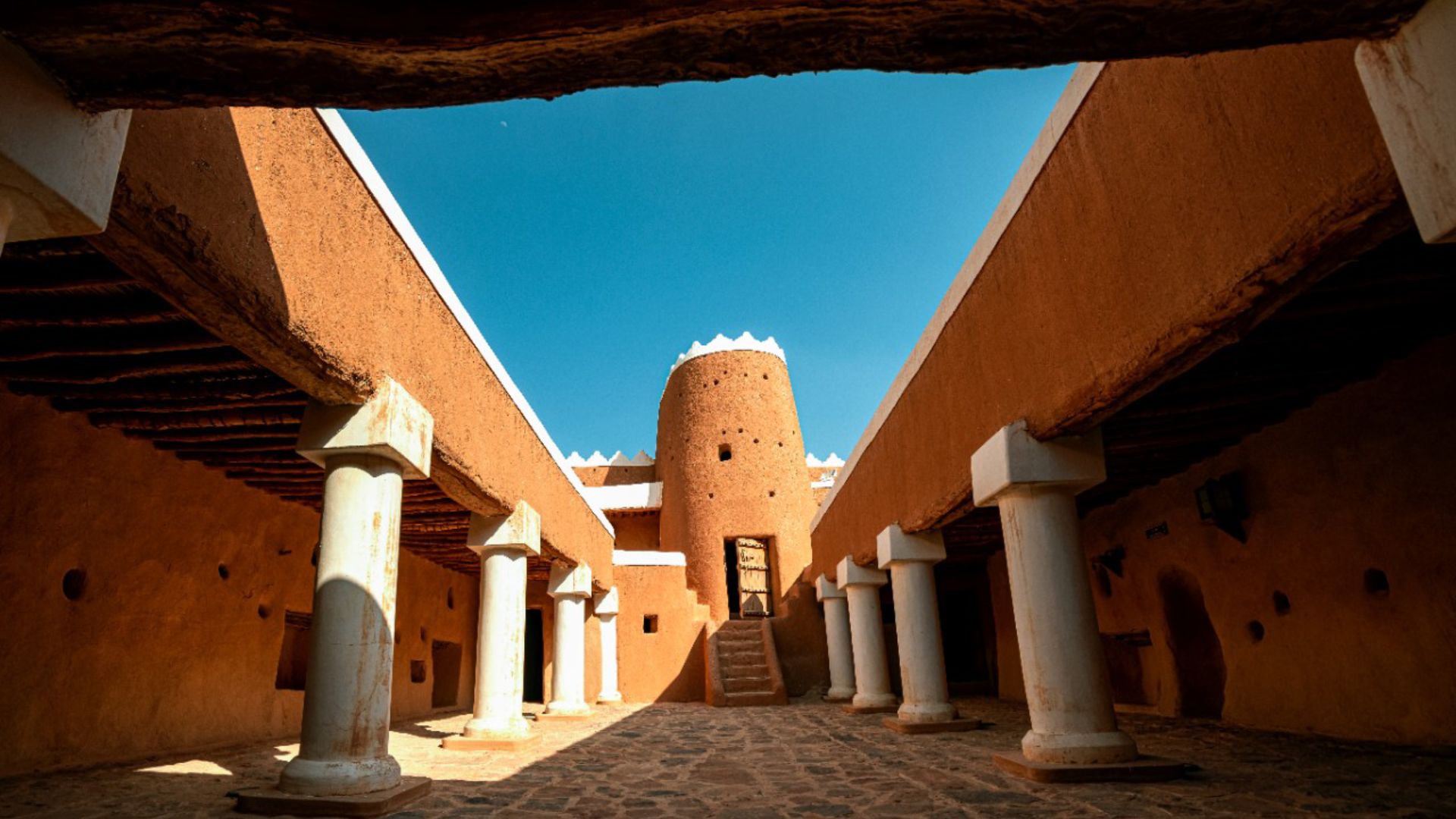
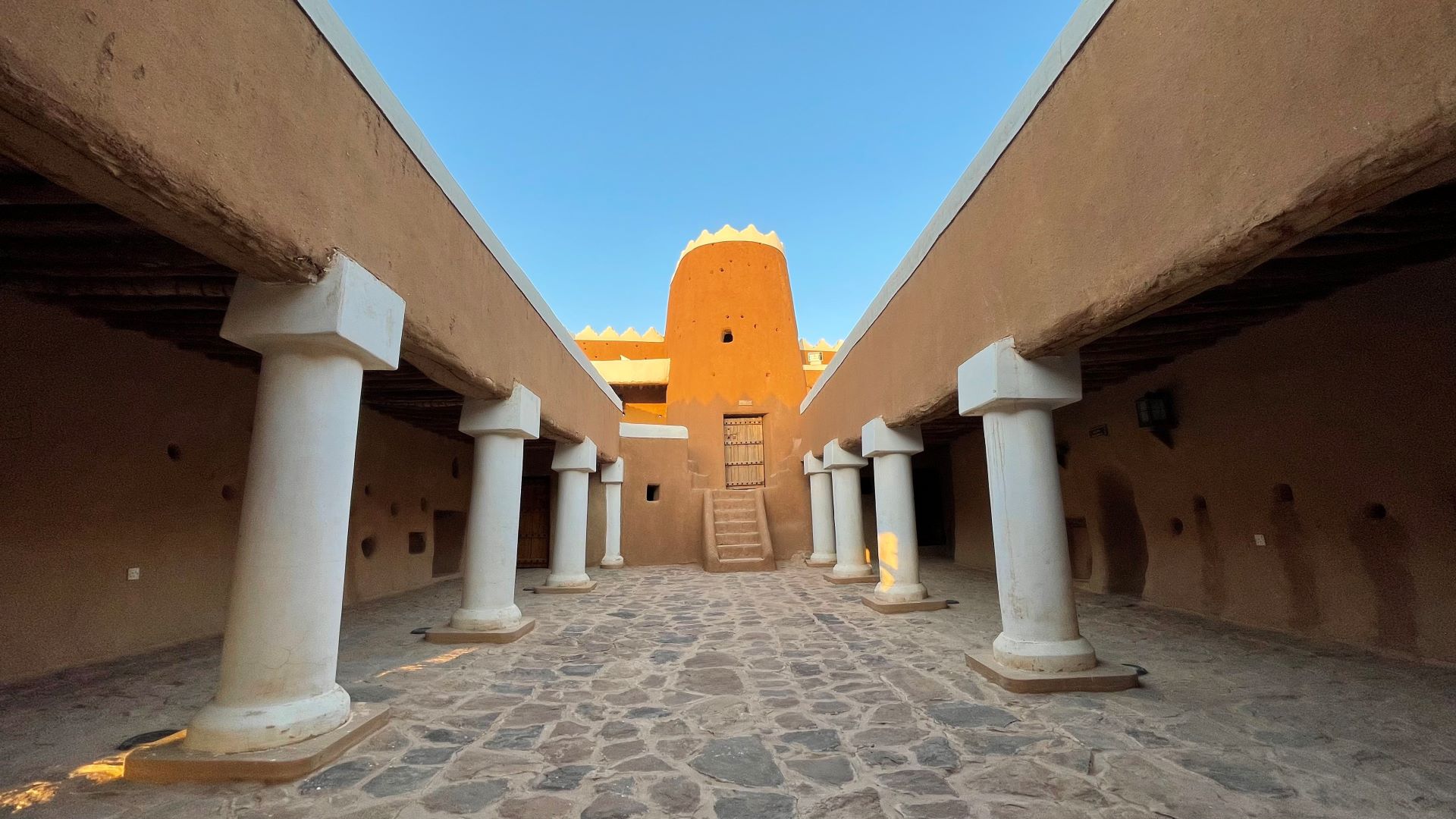
A'arif Fort stands out with its ancient details and reflects the rich cultural history of the city of Hail. It was built in 1840, and it was named after the mountain on which it was built. The fort is rectangular in shape, surrounded by a massive wall and sturdy wooden doors adorned with handmade engravings that narrate the beauty and fragrance of the past. The castle houses 30 towers, numerous observation holes, bedrooms, storage rooms, a prayer room, and bathrooms. It also features a cannon dating back to 1898. The 440 square-meter castle was built on top of the 650-meter-high A'arif mountain to protect the city in ancient times. It served as a military fortress to monitor armies and caravans coming to Hail. There is also a tall tower on the east side of the castle used to monitor activities outside. The best and strongest soldiers were responsible for guarding the castle. Later on, the castle was used to observe Ramadan crescent, and its cannon was used to announce the time of breaking the fast and the start of fasting during the holy month of Ramadan. With seven shots, it announced the arrival of the holy month and the coming of Eid al-Fitr. Nowadays, the castle is an attractive tourist destination with its high towers and strategic location in the city of Hail. It houses a museum that attracts tourists and visitors, and from the top of the castle, you can view the nearby farms, markets, and heritage neighborhoods.

Barzan Palace
Discover Barzan Palace in the heart of Hail, a historic landmark and one of the region's most important urban heritage sites. Built with towering architecture that once rose above the city’s buildings, Barzan Palace’s two remaining towers—one to the north and another to the south—reach approximately 12 meters high. Named 'Barzan' because it stood prominent among the city’s structures, the palace is now a celebrated tourist attraction, inviting visitors to experience its architectural legacy and significance within Hail's heritage landscape.


Al Qishla Castle
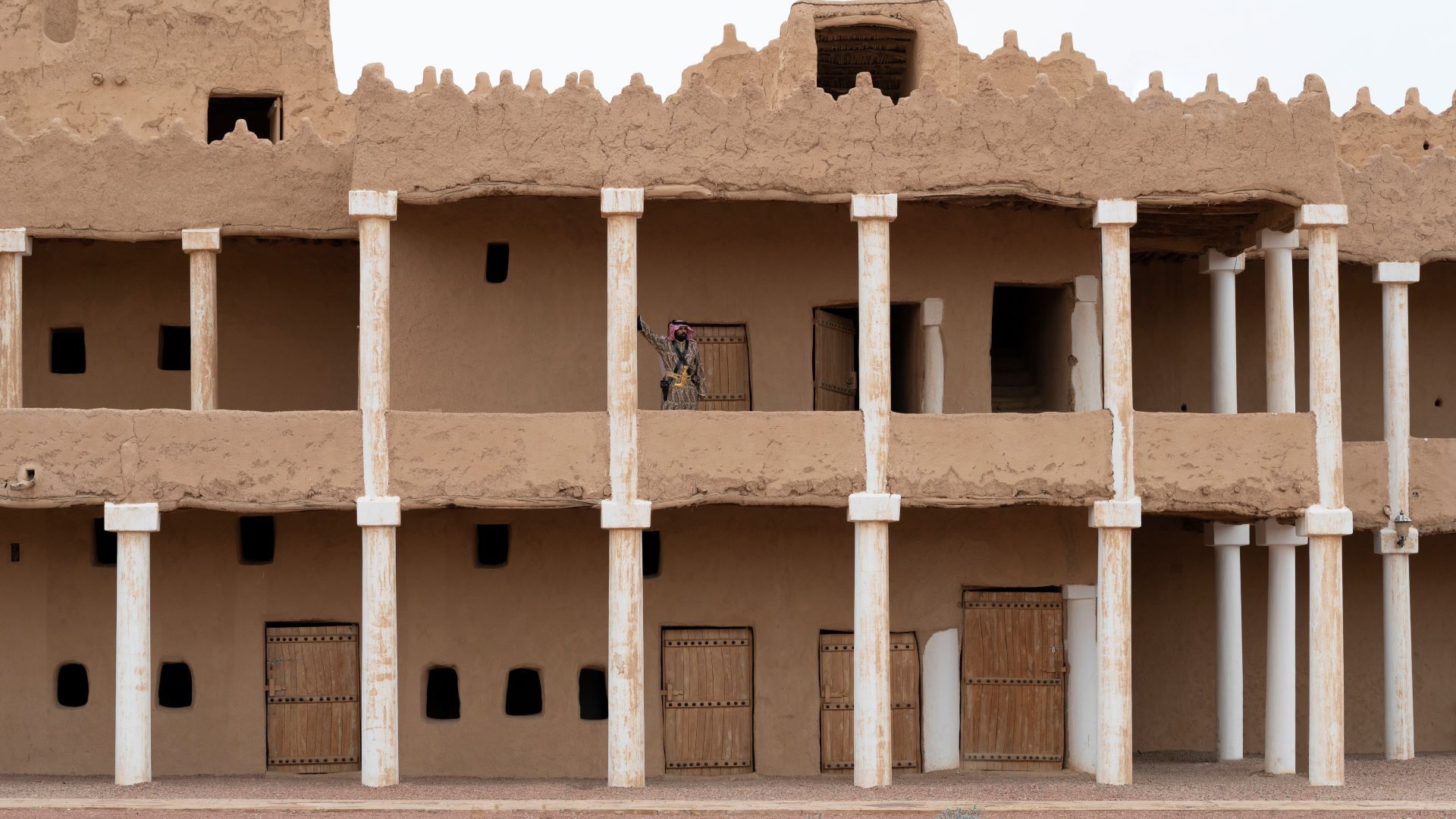
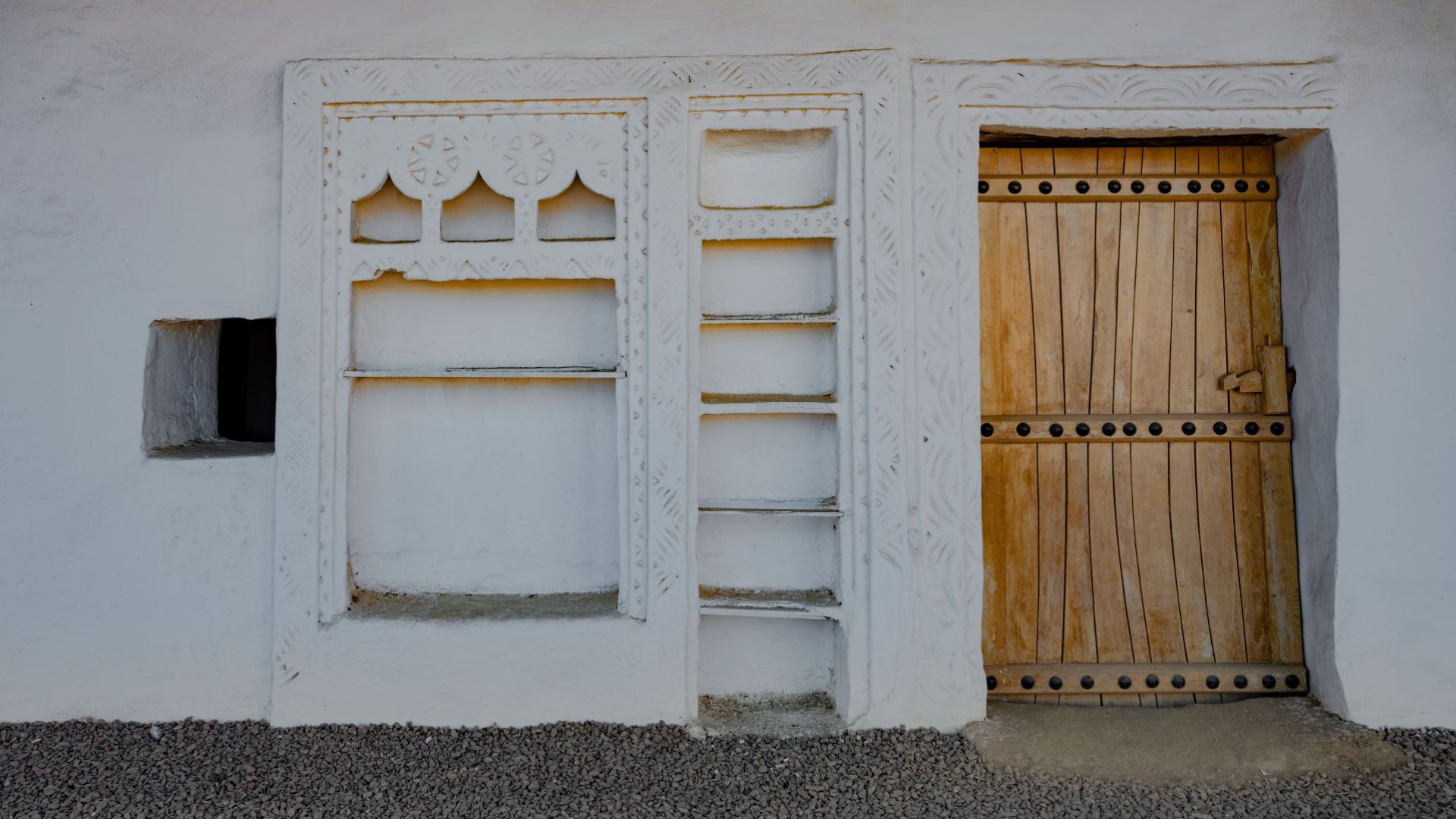
Discover Al-Qashla Castle in Hail, an iconic heritage site that showcases the traditional Najdi architectural style. Built during the reign of King Abdul Aziz in 1360 AH (1941 CE), Al-Qashla stands as a symbol of Hail’s rich urban heritage. Constructed from clay and stones, the castle features intricate plaster decorations with geometric and floral motifs typical of traditional architecture in the region. Its 12-meter-high cylindrical defensive towers, including four internal 'Al-Sandah' towers, emphasize its defensive strength. Within, visitors will find two grand gates, a mosque, and rooms adorned with colorful plaster details and engraved doors and windows, making Al-Qashla Castle a masterpiece of Hail’s architectural legacy.